Understanding Stage 4 Throat Cancer
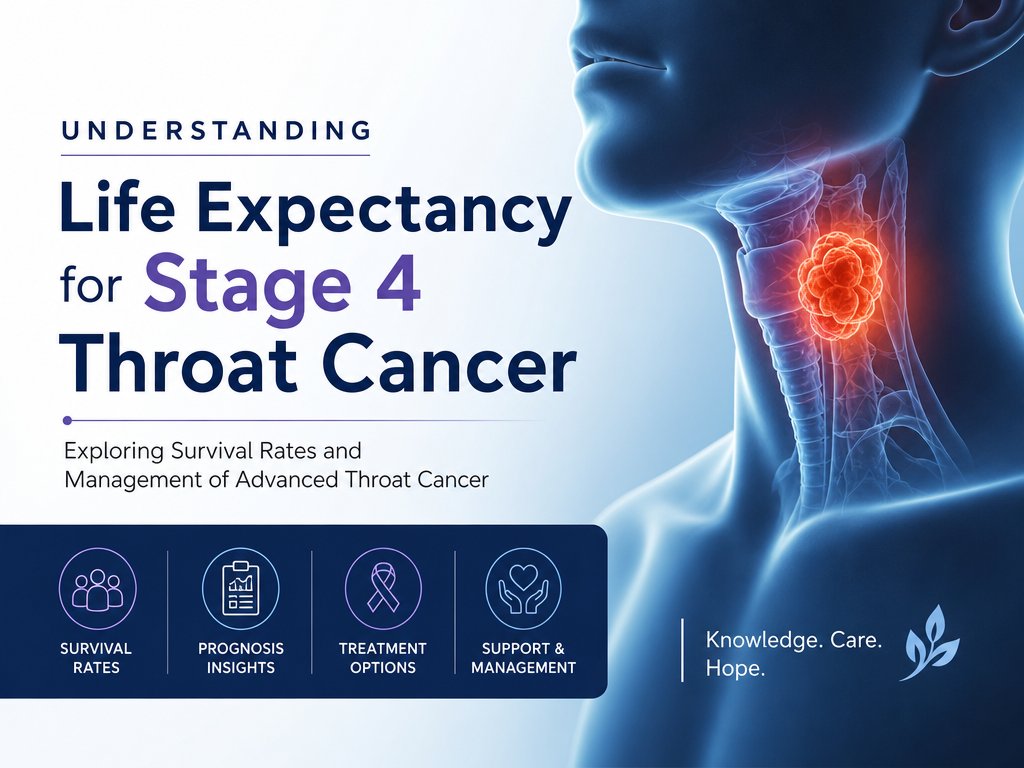
Stage 4 throat cancer represents the most advanced stage of the disease. At this stage, cancer has spread beyond the throat to nearby tissues, lymph nodes, or potentially further to other parts of the body. In particular, the pharynx, which is an integral part of the throat, is affected. There can also be involvement of surrounding areas, including the tonsils, tongue, and mouth, complicating the condition.
Survival Rates
According to data from the National Cancer Institute, the 5-year relative survival rate for stage 4 throat cancer is approximately 39.1%. This figure can provide a benchmark for understanding outcomes but remember that actual life expectancy can vary significantly depending on individual circumstances, response to treatment, and ongoing medical advancements in the field. Each case of cancer can present unique challenges that affect survival prospects.
Cancer Staging
Cancer staging plays a crucial role as it helps oncologists determine the most appropriate treatment strategies. The assessment of cancer stages takes into consideration the size of the tumor, how far it has spread, and its aggressiveness. One of the most widely used staging systems is the TNM system, which stands for Tumor, Nodes, and Metastasis. In this system, stage 4 is classified as the most severe, indicating extensive cancer spread.
Treatment and Prognosis
Management of throat cancer is highly influenced by its staging. The SEER (Surveillance, Epidemiology, and End Results) program’s data on cancer staging categories helps in understanding survival rates and treatment implications. It is vitally important to consult healthcare providers to receive an accurate prognosis that is tailored to individual health profiles. Such consultations take into account new treatment options, offering a comprehensive view of potential outcomes.
Other Related Cancers
Survival rates and treatment options can also vary for related types of cancer, such as laryngeal and thyroid cancers. Each type has its distinct statistics, outlooks, and requires specific medical approaches. Understanding the nuances of each type of head and neck cancer is essential for accurate diagnosis and effective treatment planning.
Preventive Measures and Risk Management
Throat cancer is classified under head and neck cancers, though it excludes cancers of the eye and brain. To mitigate risks, lifestyle adjustments, including the avoidance of tobacco and excessive alcohol use, are recommended. Factors that influence cancer prognosis include overall personal health conditions, availability of treatment advancements, and lifestyle choices. Therefore, receiving personalized medical advice is crucial for those seeking to understand their specific risk profile and options.
For individuals who have received a throat cancer diagnosis, engaging in detailed discussions with medical professionals can provide deeper insights beyond general survival statistics. This facilitates the development of personalized treatment plans that are tailored to individual needs, encompassing the latest medical knowledge and advancements.