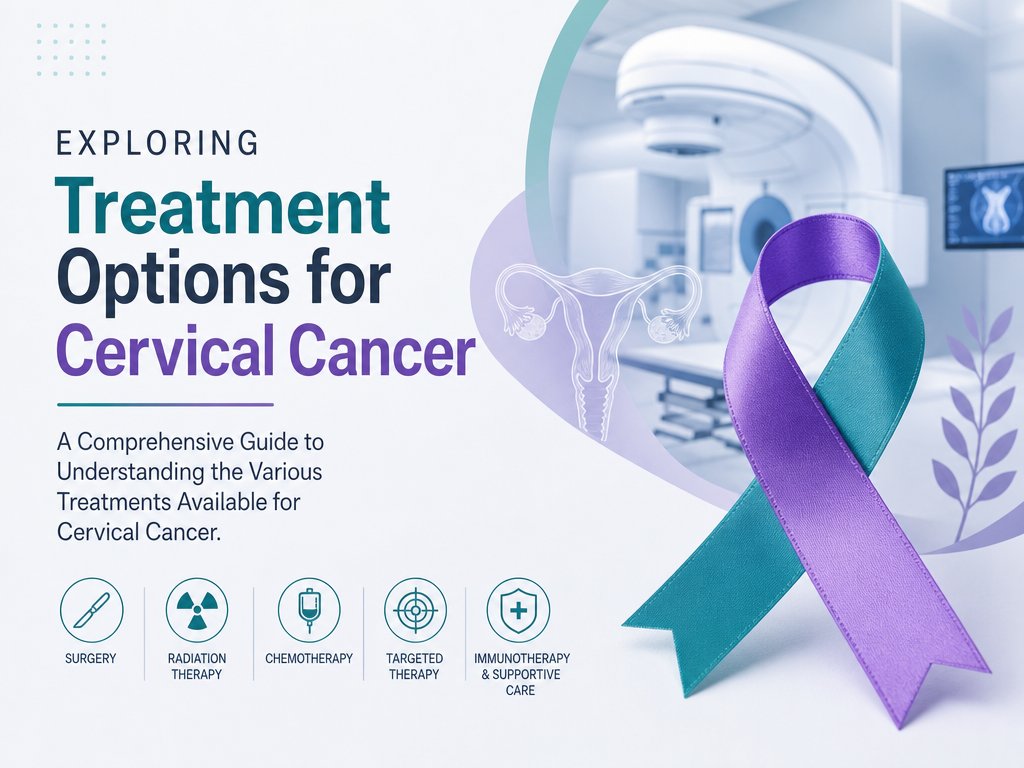
Cervical Cancer: An Overview
Cervical cancer represents a significant health concern, occurring in the cells of the cervix, the lower part of the uterus that connects to the vagina. It can often be effectively treated if diagnosed at an early stage. With advances in medical technology and epidemiological practices, survival rates have markedly improved. This improvement is due to early detection methods like Pap smears, which play a crucial role in reducing the incidence of cervical cancer in many Western countries. The treatment plan for cervical cancer typically involves a variety of methods, each carefully selected based on the specific stage of cancer diagnosed.
Standard Treatments
Early Stage Interventions
For precancerous conditions of cervical cells, conservative treatments such as cryotherapy, the Loop Electrosurgical Excision Procedure (LEEP), and laser therapy are considered viable options. These procedures aim to remove or destroy abnormal tissue. They are generally quick and are performed in an outpatient setting, often requiring only local anesthesia, making them less invasive than more extensive surgical procedures. Early intervention is key to preventing the progression of precancerous cells to malignant cervical cancer, thereby significantly improving patient outcomes.
Surgery
In cases where cervical cancer has been diagnosed, surgery might be necessary to remove the cancerous tissue. Surgical options can vary according to the extent of removal required. Cone biopsies, for instance, may be performed to remove small, cancerous or precancerous sections of tissue. In more extensive cases, a hysterectomy might be necessary, involving the removal of the uterus and cervix.
A radical hysterectomy may also be conducted, which includes the removal of the uterus, cervix, and part of the surrounding tissues, including the upper part of the vagina. Another surgical option is a trachelectomy, which is a fertility-preserving surgery that removes the cervix while leaving the uterus intact, potentially allowing for future pregnancies. Although promising, there remains a higher risk of miscarriage and other complications during any subsequent pregnancy. Each surgical procedure carries its own risks and benefits, and the choice depends on the individual circumstances of the patient and the stage of the cancer.
Advanced Cancer Treatments
For more advanced stages, where the cancer has spread extensively, more comprehensive surgeries might be required. An extensive procedure like pelvic exenteration involves the removal of multiple pelvic organs and tissues affected by cancer. When surgery is not advised due to various factors, radiation therapy may become a viable treatment option. Radiation can be administered through external beams or through brachytherapy, where radioactive sources are placed near the cancerous tissue. These treatments, while effective, can cause side effects such as fatigue and skin irritation and may disrupt the normal function of tissues around the treatment area. Management of these side effects is crucial and typically involves supportive therapies that help patients maintain quality of life during treatment.
Chemotherapy and Newer Medications
Chemotherapy uses drugs to destroy cancer cells and is often used alongside radiation therapy to enhance its effectiveness, especially as part of concurrent chemoradiation protocols. Chemotherapy is also employed independently in advanced cases to manage disease progression and control tumor spread. In recent years, targeted therapy and immunotherapy have emerged as promising new approaches. Drugs such as Bevacizumab, a form of targeted therapy, work by inhibiting the growth of blood vessels that supply the tumor. Pembrolizumab, an immunotherapy agent, aids the immune system in recognizing and attacking cancer cells. These newer drugs offer hope for improved outcomes, particularly for recurring or metastatic cervical cancer cases, providing options for those who might not have responded well to traditional therapies.
Fertility Preservation
Treatments for cervical cancer often impact fertility, as many interventions can affect reproductive organs and their functions. Nevertheless, options for preserving fertility do exist. Procedures like egg retrieval and freezing, or even embryo freezing through in vitro fertilization (IVF), prior to the commencement of cancer treatment, can provide prospects for pregnancy post-treatment. Researchers continue to explore new possibilities to preserve fertility and reproductive health following treatment, offering hope for patients who wish to maintain future family-building options. The advancements in fertility preservation underscore the importance of a comprehensive approach to cancer treatment implications, particularly for younger patients who desire to have children.
Prevention and Regular Screening
Preventing cervical cancer involves several proactive measures, including regular screenings and vaccination against the human papillomavirus (HPV), which is closely linked to most cervical cancers. The U.S. Preventive Services Task Force recommends specific screening guidelines, tailored by age groups and individual risk factors. Regular Pap smears and HPV tests are instrumental in detecting abnormal changes before turning into cancer. HPV vaccinations are strongly advised for young girls and boys, ideally before the onset of sexual activity, with options available for adults not previously vaccinated. The vaccines effectively prevent infections by HPV strains most commonly associated with cervical cancer.
Lifestyle choices also play a crucial role in prevention. Practicing safe sexual behaviors, such as using condoms and limiting the number of sexual partners, can reduce HPV infection risk. Avoiding smoking is another significant preventive measure, given the established link between tobacco use and increased cervical cancer risk. Maintaining a healthy lifestyle overall supports the body’s immune system, aiding it in combating infections and abnormal cell changes. Encouraging awareness around these preventive steps can greatly contribute to reducing cervical cancer incidence and raising the overall health standard in the population. Community health initiatives and educational programs underscore the importance of prevention, emphasizing the substantial impact these measures can have on long-term health.
Survival Rates and Conclusion
The prognosis for cervical cancer patients is substantially influenced by the cancer stage at diagnosis. Women diagnosed with localized cervical cancer, where it has not spread beyond the cervix or surrounding areas, generally have an optimistic survival rate. However, survival prospects decrease as the disease progresses, thereby underscoring the critical importance of early detection and treatment. Engaging in informed discussions with healthcare providers is vital for individuals facing cervical cancer, ensuring the treatment plan is well-suited to the patient’s specific situation. These discussions should explore all available treatment options, potential side effects, and implications for future health, including fertility considerations. Successfully navigating cervical cancer treatment complexities can lead to a higher chance of favorable outcomes, enhancing both longevity and quality of life for patients. Therefore, with continued advancements in medical technology and personalized treatment approaches, the outlook for individuals affected by cervical cancer continues to improve, providing hope for many facing this challenging diagnosis.