Introduction to Dehydration
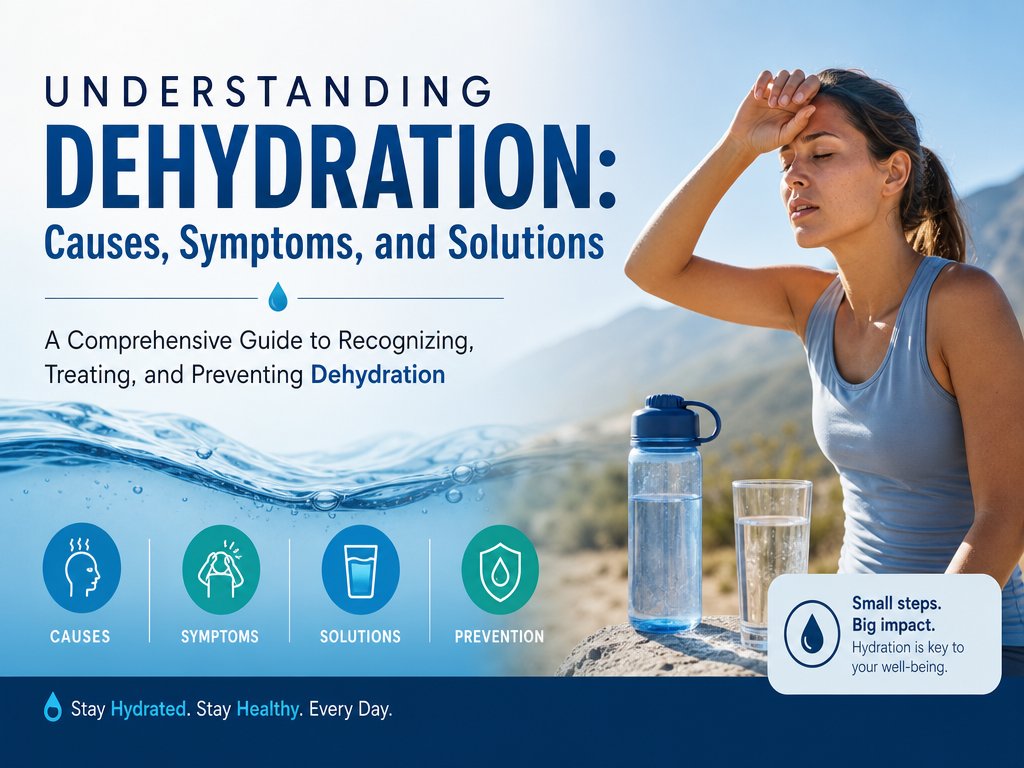
Dehydration occurs when your body’s fluid intake does not match the fluid loss through sweat, urination, and other processes vital to life. This condition can affect anyone but is more common among athletes, the elderly, and those with chronic health issues. Dehydration can result from various causes, ranging from simple environmental factors to more complex medical conditions that affect the body’s ability to retain and utilize fluids effectively. Understanding these underlying causes can be essential in recognizing, preventing, and treating dehydration in many different contexts.
Common Causes of Dehydration
Every day, your body loses water through unavoidable activities like sweating, urination, and even breathing. Failure to replenish these fluids can result in dehydration. Those who are highly active or exposed to high temperatures are at an increased risk, as well as those experiencing illness-induced vomiting or diarrhea, which can accelerate fluid loss dramatically. Additionally, insufficient water intake during periods of heavy physical exertion or excessive heat exposure can significantly elevate the risk of becoming dehydrated. Other contributing factors may include fever, certain medications, and inadequate dietary habits that do not support proper hydration.
The Science Behind Sweating and Dehydration
Sweating is essential for regulating body temperature through the evaporation process. However, excessive sweating without sufficient fluid intake can lead to dehydration. This happens during activities like sports or even when submerged in water, as in swimming. Sweat is composed mainly of water and salt, and its excessive loss can disrupt the body’s electrolyte balance, which is crucial for both muscle function and other physiological processes necessary for maintaining homeostasis. Understanding the science of how sweat impacts fluid and electrolyte levels can help manage hydration effectively and support overall bodily functions. Incorporating proper hydration practices during and after physical activities can enhance athletic performance and prevent dehydration-related complications.
Risks and Symptoms of Dehydration
Dehydration varies in severity, from mild to severe. Mild dehydration can generally be managed at home, but severe dehydration is a medical emergency, requiring immediate intervention. Symptoms range from simple thirst and dry mouth to more dangerous signs like low blood pressure, rapid heart rate, confusion, and even dizziness. Knowing the symptoms is vital for timely identification and treatment, reducing the potential for complications that could worsen if not recognized and treated promptly. Awareness can prevent progression to more serious health issues and allow for quick, effective response to early signs of dehydration.
Medical Assessment and Diagnosis
Doctors diagnose dehydration by reviewing symptoms, checking vital signs, and conducting blood and urine tests to measure electrolyte levels. A urinalysis can reveal if dehydration is present, although dark urine alone isn’t a sufficient indication without other symptoms. Medical professionals may also check skin turgor and heart rate as additional diagnostic indicators, alongside evaluating the patient’s history of fluid intake and possible exposure to risk factors. This comprehensive assessment helps in determining the severity and underlying causes of dehydration, enabling a tailored approach to treatment.
Treatment and Rehydration
Treating dehydration involves replenishing lost fluids and electrolytes. This can be through drinking water or electrolyte solutions, or in severe cases, receiving fluids intravenously under medical supervision. Popular rehydration solutions include sports drinks and medically recommended solutions like Pedialyte for children. In some situations, oral rehydration therapy (ORT) is used to restore carbohydrate-electrolyte balance thoughtfully. Knowing the appropriate method for dehydration treatment can prevent escalation to more severe health concerns, ensuring the safe recovery of normal hydration levels for the individual. Educating individuals on the importance of recognizing early symptoms and initiating rehydration early is crucial for effective management.
Prevention and Long-term Health
Preventive measures against dehydration include maintaining regular fluid intake, especially during activities that increase sweating or under conditions that cause rapid fluid loss. Ignoring dehydration risks can lead to severe health consequences, including kidney problems, heat exhaustion, shock, or even organ failure in extreme cases. Those living in hot climates or experiencing chronic illnesses should pay extra attention to their hydration status. Adequate hydration is also essential for joint lubrication, cognitive function, and skin health, emphasizing the broader impacts of dehydration and the importance of regular fluid consumption for health maintenance.
Maintaining awareness of your body’s needs and staying hydrated can help you manage and prevent dehydration effectively, ensuring your well-being in various situations. Eating water-rich foods, like fruits and vegetables, can also aid in hydration, providing additional nutrients and fluids. Finally, being mindful of the signs and risk factors can help individuals take proactive steps to stay hydrated, ultimately contributing to long-term health and well-being across different environments and lifestyles. Embedded within a holistic approach to health, recognizing dehydration as a potential threat to overall well-being cannot be understated, as its prevention contributes to maintaining overall vitality and health resilience.