Understanding Ultherapy as a Facelift Alternative
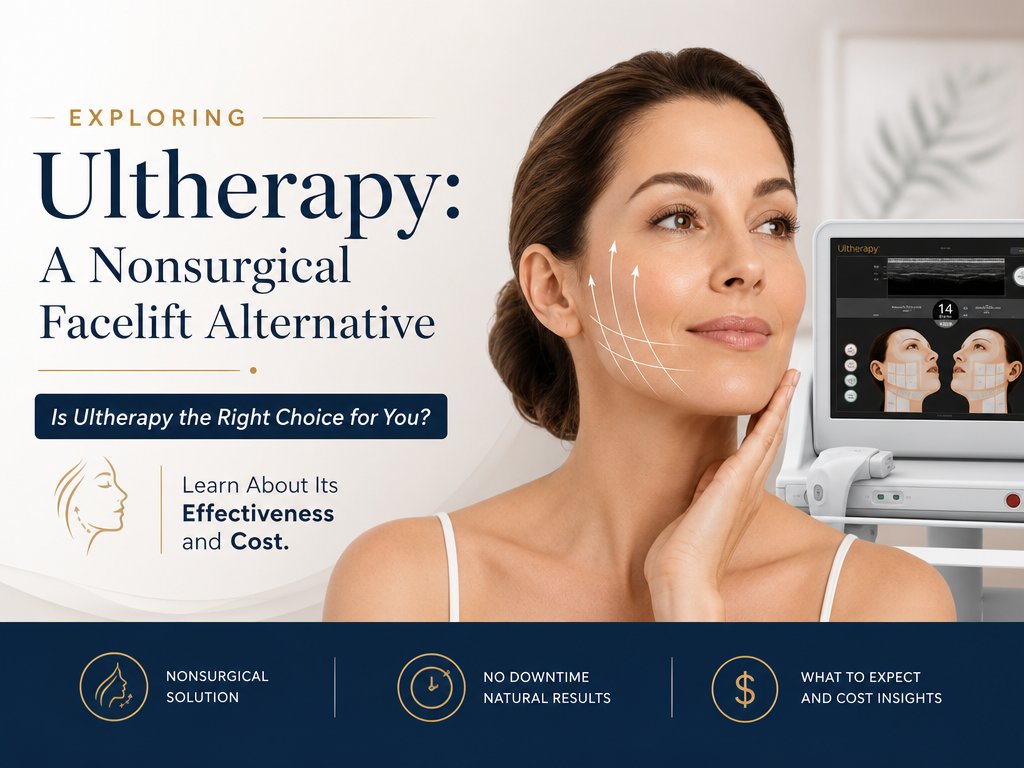
Ultherapy provides a distinctive approach for those who seek to mitigate the signs of aging. It specifically targets issues such as skin sagging and wrinkle formation around the face, neck, and chest areas. This FDA-approved treatment employs advanced ultrasound technology to trigger collagen production, which in turn enhances the firmness and texture of the skin, offering a naturally rejuvenated appearance. By promoting the natural healing processes, Ultherapy stimulates and maintains collagen production over time, which further contributes to a fresher look.
The Rise in Popularity
The demand for nonsurgical aesthetic treatments, including Ultherapy, has markedly increased over the past few years. From 2015 to 2016, there was an 11.6% rise in the number of such procedures performed. Ultherapy’s technology is adept at targeting specific skin layers, thereby enhancing treatment effectiveness without causing significant disruption to daily routines. Patients are generally able to maintain their regular activities immediately post-treatment due to minimal preparation and recovery time. This convenience and the natural-looking results have contributed significantly to its rising popularity among those seeking cosmetic enhancements without surgery.
The Ultherapy Procedure
The procedure of Ultherapy involves the use of focused ultrasound energy to penetrate various depths beneath the skin. This precise targeting initiates the stimulation of collagen and elastic tissue which results in the tightening and firming of the skin along with the reduction of wrinkles. The duration of the procedure can vary, approximately lasting from 30 to 90 minutes, contingent upon the area being treated. Trained professionals administer the treatment, utilizing an ultrasound device to adjust the treatment settings tailored to the patient’s specific needs. The capacity to customize the procedure enables practitioners to achieve more targeted and effective results for diverse skin types and concerns.
What to Expect
Prior to undergoing an Ultherapy session, it is crucial to ensure that the skin is thoroughly cleansed. Many patients describe experiencing mild sensations such as heat and tingling during the treatment, which can be effectively managed with pain relief medication if deemed necessary. Post-treatment, the treated areas may appear slightly flushed. This effect typically normalizes within a few hours. Minor swelling or tenderness is occasionally observed but usually subsides within a few days, with no downtime required afterwards, allowing individuals to resume their daily activities without any interruptions. The ability to seamlessly integrate the procedure into busy lifestyles is a significant advantage for those with demanding schedules.
Results and Cost Considerations
The results of Ultherapy are often noticeable within just a few days after the procedure. Continuous improvements can be observed over the span of three months as collagen regeneration progresses. While the effects are maintained as collagen production continues, periodic maintenance treatments might be required to sustain the desired outcome. In terms of affordability, Ultherapy is generally more cost-effective in comparison to conventional facelift surgeries. The average price for Ultherapy stands at $1802, considerably lower than the $7503 average cost of a traditional facelift, as reported by ASAPS in 2016. However, the actual costs can vary, and consultations with local providers can give patients a more precise estimate tailored to their needs. The broad appeal of Ultherapy, combining effective results with a minor impact on daily life and budgets, makes it a viable choice for many. It is important to note that Ultherapy treatments are not covered by insurance, which means individuals should plan their budgets accordingly to accommodate the out-of-pocket expenses associated with the treatment. By planning financially, patients can enjoy the youthful and refreshed appearance that Ultherapy seeks to deliver without encountering unexpected financial challenges.