Anxiety and its Complex Treatment Landscape
Anxiety disorders are prevalent but managing them can be challenging. Prescription medications, while common, often result in dependency or unwanted side effects like weight gain and sexual dysfunction. Additionally, substances such as alcohol and drugs can exacerbate anxiety symptoms. As individuals seek relief from these conditions, many turn to alternative methods like homeopathic remedies in hopes of finding effective solutions without these drawbacks.
The Role of Ignatia in Anxiety Management
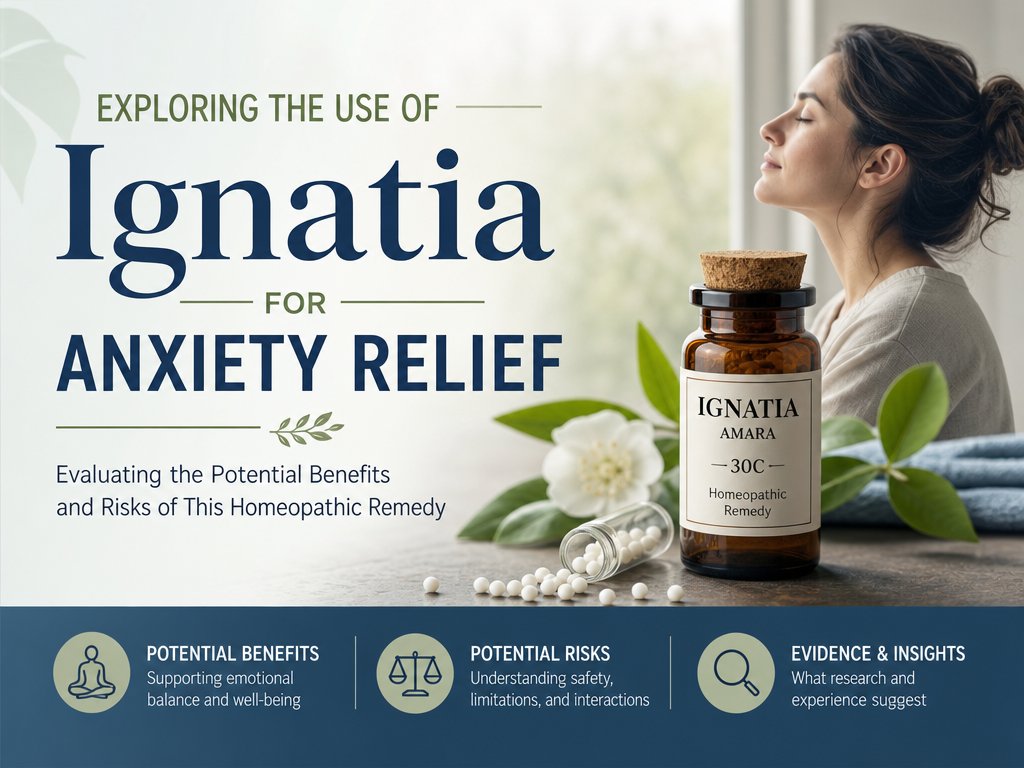
Ignatia, derived from the seeds of the St. Ignatius bean tree native to the Philippines and Southeast Asia, is a homeopathic treatment occasionally used for anxiety. Historically, homeopaths utilized ignatia for addressing emotional states such as grief, depression, and situational anxiety. However, it’s not typically recommended for broad-spectrum anxiety disorders like panic disorder or PTSD, which often require a more comprehensive treatment approach that might include therapy and medication under professional supervision.
Homeopathic Approach to Treatment
A homeopath will evaluate your symptoms and overall health to recommend appropriate remedies, which may incorporate a blend of herbs, nutritional advice, and treatments. Ignatia is commonly available as oral pellets. Despite containing traces of strychnine, a substance known for its toxic properties, homeopathic ignatia is highly diluted to ensure safety and minimize risk to users. The homeopathic practice emphasizes an individual’s holistic health, considering physical, emotional, and mental symptoms for tailored treatment.
Current Research and Potential Applications
Scientific studies on ignatia’s efficacy in treating anxiety are limited, yet ongoing research is crucial to understand its full potential and applications. A 2012 animal study hinted at its potential to influence emotional responses, suggesting possible utility in regulating mood. Additionally, ignatia has shown promise in treating oral lichen planus (OLP), a chronic inflammatory condition, with some patients reporting reduced lesions and pain following its use. This suggests a potential for ignatia beyond anxiety, warranting further research into its mechanisms and benefits.
Ignatia for Other Conditions
Some studies have also noted ignatia’s effectiveness when used with other remedies to treat migraines in children, showing potential benefits in alleviating such symptoms. However, definitive research is sparse, and much remains unknown about its use in pediatric populations. Collaboration between traditional scientific research and homeopathic practices could prove beneficial in advancing understanding and uncovering additional applications for ignatia in varying health contexts.
Safety and Precautions When Considering Ignatia
Before trying ignatia, comprehensive research and consultation with a doctor are crucial. The U.S. Food and Drug Administration does not regulate supplements as rigorously as pharmaceuticals, underlining the importance of professional guidance. If adverse reactions occur, such as unexpected symptoms or worsening of condition, immediate medical attention and consultation with a healthcare provider are advised. Always consult your healthcare provider before beginning any supplement to ensure safety and prevent exacerbation of symptoms, particularly in the context of pre-existing medical conditions or concurrent medication use.