Understanding Panic Attack Disorder
Panic attack disorder involves sudden, recurrent episodes characterized by intense anxiety or fear. These panic attacks can occur unpredictably, without a clear trigger, resulting in significant emotional turmoil and profound physical distress. Common symptoms typically include heart palpitations, shortness of breath, chest pain, dizziness, and an overwhelming fear of loss of control or impending doom. In numerous cases, these symptoms might mimic those of a heart attack, leading sufferers to seek emergency assistance during an attack. This can complicate both diagnosis and treatment, as these episodes often have no discernible physical origin.
Symptoms and Diagnostics
Panic disorder is diagnosed by the presence of recurring panic attacks alongside an ongoing concern or worry about the possibility of future attacks. Individuals often develop anticipatory anxiety about specific situations or environments that could potentially trigger another episode, such as crowded spaces, specific social settings, or driving. Consulting a healthcare professional is crucial for proper diagnosis and management, as they can differentiate panic disorder from other medical conditions with similar presentations. Diagnostic assessments might involve thorough interviews, questionnaires, and sometimes physical examinations to rule out other causes.
Treatment Options
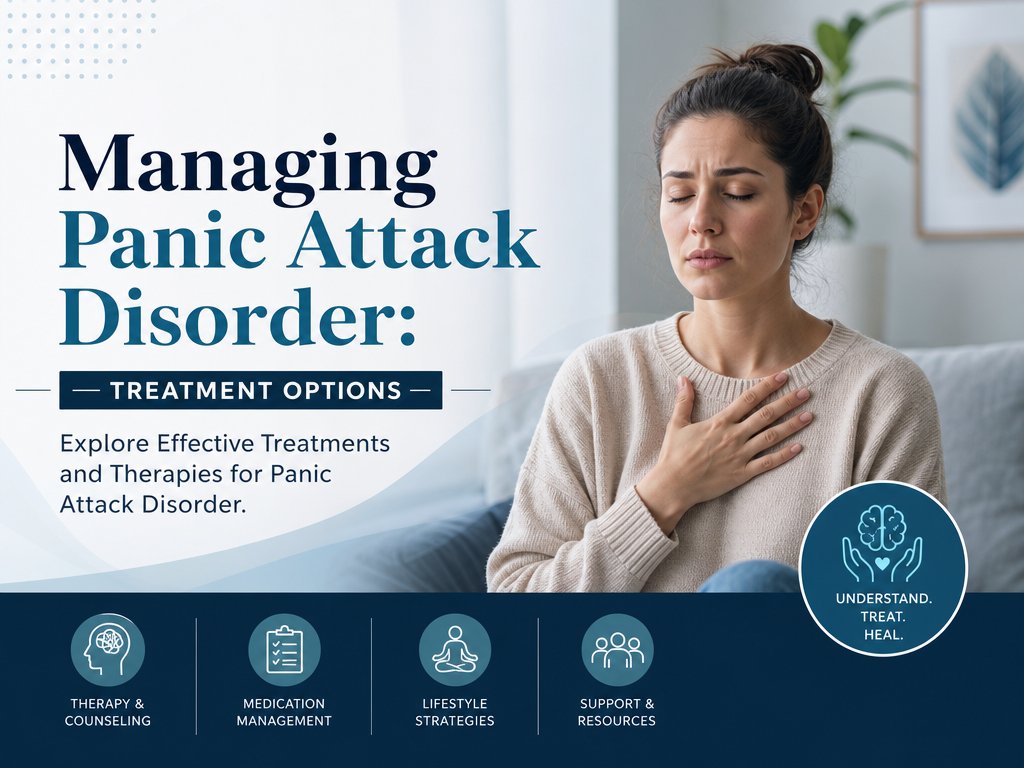
Treating panic disorder often involves a combination of medication, therapy, and lifestyle changes. Among medications, selective serotonin reuptake inhibitors (SSRIs) and serotonin-norepinephrine reuptake inhibitors (SNRIs) are commonly prescribed. These medications offer long-term relief by adjusting neurotransmitter levels in the brain to mitigate anxiety and associated symptoms. Over time, this can help reduce the frequency and severity of panic attacks, making it easier for individuals to engage in daily activities without excessive fear of an impending panic episode.
Tricyclic antidepressants (TCAs) and monoamine oxidase inhibitors (MAOIs) also play a role in treatment, although they are generally considered when other medications are not effective, due to their potential side effects and safety considerations. Additionally, for immediate relief of intense anxiety episodes, medications such as benzodiazepines might be used. However, these are not suitable for long-term use due to the risks of dependency and potential withdrawal effects. It’s crucial that these medications be prescribed and monitored closely by a healthcare provider to ensure safety and efficacy.
Non-Pharmaceutical Interventions
Cognitive Behavioral Therapy (CBT) is widely acknowledged as an effective non-medical treatment for panic disorder. This therapeutic approach focuses on identifying and changing the thought patterns and behaviors associated with panic attacks. Through CBT, individuals can learn techniques to reduce avoidance behaviors and challenge the fears contributing to panic. When used alone or in conjunction with medication, CBT can be highly beneficial for many patients, leading to sustained improvements in symptoms and coping strategies. Additionally, mindfulness-based therapies, including meditation and relaxation exercises, may further assist by improving stress response and emotional regulation.
Alternative and Natural Treatments
While some natural remedies and alternative treatments show promise for alleviating anxiety symptoms, their effects and safety profiles are not as well documented or understood as pharmaceutical options. Herbal solutions such as valerian root, lavender oil, or passionflower are often cited; however, their efficacy varies among individuals, and scientific research on their benefits is still emerging. Techniques such as yoga and acupuncture are also explored as complementary approaches to traditional treatments, contributing to an overall sense of well-being and potentially reducing the severity of symptoms. It is advisable to thoroughly consult with a healthcare provider before commencing any alternative treatments to fully understand potential interactions with existing medications or therapies.
Special Considerations for Children
Children and adolescents diagnosed with panic disorder can receive treatments similar to those prescribed for adults, but with adjustments tailored for younger populations. SSRIs are often the preferred class of medication for children, administered with careful monitoring by a healthcare professional to manage any potential side effects. Occasionally, benzodiazepines may be utilized to provide short-term relief of symptoms during the initial treatment phase; however, their long-term use is generally avoided in younger populations due to the risk of dependency. In addition to medication, therapeutic interventions such as CBT are highly recommended, as they can empower children with coping mechanisms and build resilience over time. Parental involvement in therapy can also support children’s treatment by creating a supportive home environment and encouraging healthy coping habits.
The Path Forward
Panic disorder can have a significant impact on daily functioning and overall quality of life, but it is manageable with appropriate treatment. Establishing a comprehensive treatment plan tailored to individual needs and circumstances is crucial, and a thorough discussion with a healthcare provider can provide the necessary guidance. Active participation in prescribed medical interventions, regular therapy sessions, and support groups can foster improved outcomes. By embracing a combination of treatments and taking proactive steps towards managing the disorder, individuals can lead more fulfilling lives, experiencing an enhancement in their overall well-being and a reduction in the frequency and severity of panic attacks. Lifestyle modifications, including regular physical activity, a balanced diet, and stress management techniques, can further aid in strengthening one’s resilience against future episodes, empowering individuals to reclaim control over their lives. Listening to one’s body, acknowledging personal triggers, and developing a strong support system also play pivotal roles in the journey towards recovery and long-term stability.