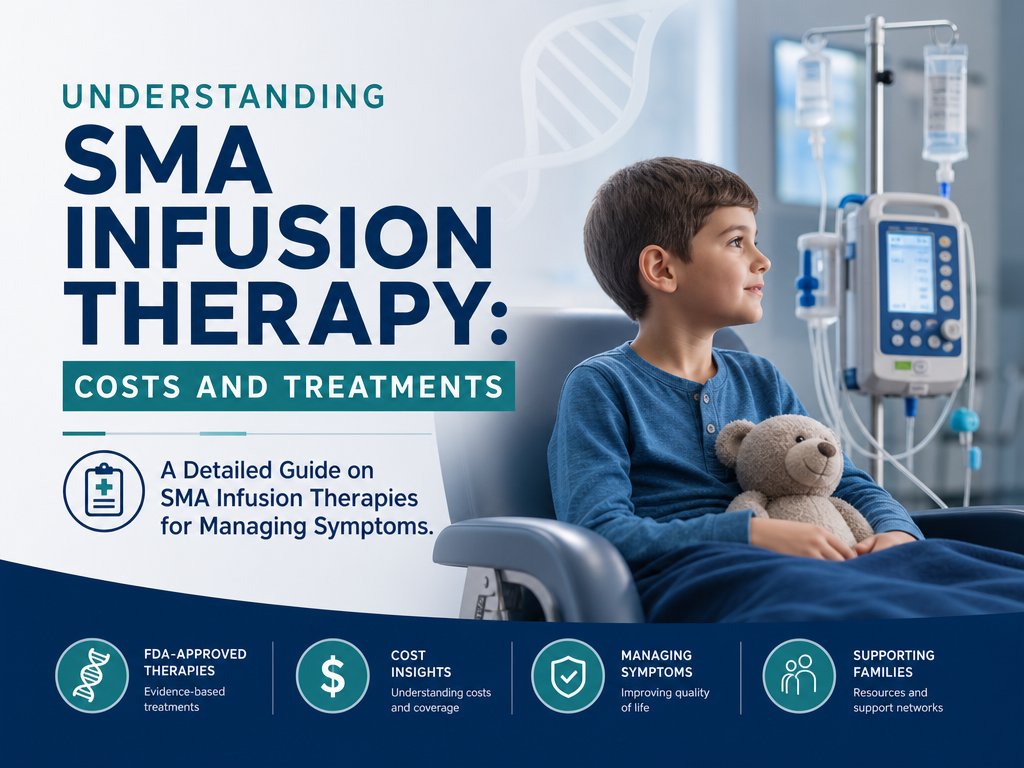
Introduction to SMA Infusion Therapy
Spinal muscular atrophy (SMA) is a challenging and complex neuromuscular condition that often requires specialized treatments to manage its symptoms effectively. Among these treatment approaches, infusion therapies play a crucial role in alleviating the progressive weakness of the skeletal muscles that is commonly associated with SMA. However, despite their benefits, these therapies can be accompanied by significant financial costs, making it essential for patients and their families to weigh the benefits and financial implications carefully.
Types of SMA Infusion Therapies
Zolgensma: A Revolutionary Gene Therapy
Zolgensma is particularly noteworthy as it was the first FDA-approved treatment specifically designed for infantile-onset SMA, commonly known as SMA type I. This gene therapy is especially effective for children under the age of two. It involves a one-time intravenous infusion that works by replacing the dysfunctional SMN gene with a healthy version. This replacement has shown to drastically improve the survival rates and quality of life for patients affected by this debilitating condition.
Spinraza: An Ongoing Treatment Option
Spinraza presents a different treatment approach and is applicable for both children and adults suffering from SMA. The way Spinraza works is by increasing the production of SMN proteins, which are crucial for maintaining muscle health. Unlike Zolgensma, which is a one-time treatment, Spinraza requires regular, ongoing administration, making it a continuous part of a patient’s routine and necessitating careful adherence to treatment schedules for optimal outcomes.
Other Infusion Treatments
In addition to gene therapies like Zolgensma and Spinraza, there are other infusion treatments used in the management of SMA. For example, intravenous bisphosphonates (IV BP) are employed to prevent bone fractures, highlighting the versatile applications of infusion therapies in managing the various complications associated with SMA. These treatments can be critical in a comprehensive care plan that addresses not only muscle weakness but also other related health challenges, thereby providing a well-rounded approach to patient care.
Financial Considerations
The financial implications of SMA treatments, particularly Zolgensma, are significant. Upon its approval in 2019, Zolgensma was priced at an astounding $2.125 million for a single patient. While treatments like Spinraza and other alternative therapies may come at a lower upfront cost, they still represent a considerable ongoing financial commitment due to their regular administration requirements. Insurance coverage for these treatments can vary widely, which underscores the importance of consulting with insurance providers to understand potential coverage and personal costs, as well as exploring patient assistance programs that may offer financial support.
Therapeutic Outcomes and Limitations
Gene therapies such as Zolgensma offer promising outcomes, especially for young children diagnosed with SMA types. Spinraza, which provides treatment for a broader age range and includes adults, shows efficacy in treating various types of SMA, though its specific effectiveness in cases of adult-onset SMA (SMA type IV) is still under study and requires more research to fully understand its impact and potential long-term benefits.
While infusion therapies are indeed essential in managing SMA symptoms, potential side effects such as liver damage and pain at the injection site must be carefully considered as part of the overall treatment planning. Continuous discussions with healthcare professionals remain vital in tailoring individual treatments that best suit a patient’s specific needs and clinical conditions. Monitoring for side effects and making necessary adjustments to treatment plans are integral components of effective care.
Conclusion
Even though there is currently no cure for SMA, infusion therapies offer substantial hope by effectively managing symptoms and slowing the progression of the disease, significantly enhancing the quality of life for many patients. Treatments like Zolgensma and Spinraza represent significant leaps forward in patient care, and their selection should be approached with careful guidance from medical experts who can provide insights into each patient’s unique needs. Continued advancements in therapeutic options and strong collaboration between patients and healthcare providers can make living with SMA more manageable and improve the overall quality of life for those affected. The ongoing research and development efforts in this field also provide optimism for more effective treatments in the future, pointing towards a horizon where SMA can be managed with increasing efficiency and effectiveness.