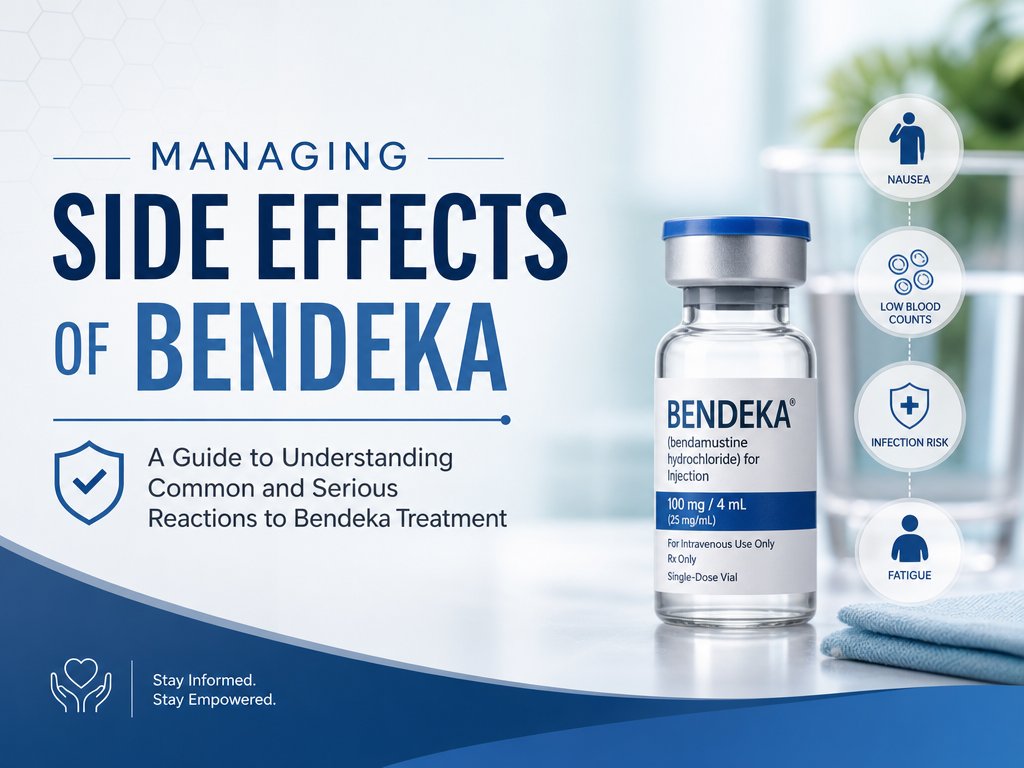
Introduction to Bendeka and Its Effects
Bendeka is a widely recognized medication used to treat specific types of cancer in adult patients. This chemotherapy drug plays a crucial role in managing cancer by impeding the growth and spread of malignant cells. Like many other cancer treatments, Bendeka can potentially lead to a variety of side effects that range from mild to serious in nature. Among the more common reactions, patients might find themselves experiencing conditions such as anemia, a reduction of red blood cells, or thrombocytopenia, which is a decrease in blood platelets. These blood-related effects can lead to fatigue, increased susceptibility to infections, and easier bruising or bleeding. In instances where these side effects become particularly tough or bothersome to handle, consulting the expertise of a healthcare provider about the possible management strategies and solutions is highly advisable.
Understanding Bendeka’s Side Effects
Common Side Effects
Bendeka often exhibits a number of common side effects, which generally tend to appear either during or shortly after the treatment process among patients. These include nausea and fatigue, feelings that are frequently reported by those undergoing treatment. Although these side effects are typically temporary and tend to resolve over time, they can nonetheless have a significant impact and affect one’s overall quality of life. Patients might also experience fever, chills, or a general feeling of being unwell. Monitoring these symptoms and maintaining open communication with healthcare providers can help manage discomfort and ensure swift intervention if necessary.
Mild vs. Serious Reactions
While many side effects inclined by Bendeka are somewhat mild, such as temporary disruptions to blood cell counts or periods of fatigue, more serious side effects are also a possibility and may occur during the course of treatment. Serious side effects that have been noted include infections due to lowered white blood cell counts, severe anemia necessitating blood transfusions, and rare cases of tumor lysis syndrome, a condition where cancer cells release their contents into the bloodstream rapidly. It is vital for patients to communicate openly with their healthcare providers if they encounter persistent or severe symptoms that appear unusual or worrisome.
Severe Allergic Reactions
In certain cases, Bendeka has been known to cause allergic reactions, which can vary from mild skin rashes to more serious conditions requiring immediate emergency care. Severe reactions may involve anaphylaxis, a life-threatening response that demands urgent medical intervention. If symptoms such as swelling, intense rashes, or difficulty breathing occur, seeking immediate medical help is necessary to properly address the situation. Close monitoring during the administration of Bendeka in a clinical setting can help in the early detection and management of such events.
Long-Term Considerations
Beyond immediate side effects, patients should also be mindful of the long-term considerations associated with Bendeka treatment. Cumulative toxicity can lead to delayed adverse effects, so ongoing evaluation and discussions with healthcare professionals are essential. Chronic fatigue or the gradual decline in organ function might emerge, highlighting the need for comprehensive long-term care planning. Additionally, although extensive research indicates that hair loss is not typically linked to Bendeka, the potential for other late-effects persists, necessitating vigilance. Continued monitoring and regular medical follow-ups ensure timely identification and management of any prolonged or delayed complications arising from the treatment.
Managing and Reporting Side Effects
Being well-informed about and actively tracking any side effects linked to Bendeka use is crucial for safety and effective treatment outcomes. Keeping a diary of symptoms can assist patients in identifying patterns or triggers that exacerbate side effects. Any ongoing problems or unusual reactions should be discussed thoroughly with a doctor, who might suggest necessary adjustments to the current treatment regimen to better accommodate the patient’s needs. This might involve dosage adjustments, additional medications to counteract specific side effects, or temporary halting of treatment to allow the body to recover. Patients can also contribute to the broader understanding of Bendeka’s safety profile by reporting their experiences and any adverse effects to appropriate medical authorities or organizations. This reporting fosters a greater collection of data that can aid in improving treatment protocols and enhancing patient safety.
FAQs: Long-term Effects and Concerns
Some long-term side effects can manifest at any point during the treatment with Bendeka, making awareness essential. Patients should continually engage in open discussions with their healthcare providers to gain a comprehensive understanding of any potential long-term effects they might face. These discussions include the risk of cumulative toxicity, which may lead to delayed onset of side effects even after cessation of therapy. Notably, hair loss has not been identified as a side effect of Bendeka during the course of extensive clinical studies, providing some relief to patients concerned about this particular issue. However, vigilance and regular follow-ups are encouraged to monitor for any late-emerging effects or complications that could arise.
Precautions Before Taking Bendeka
Before beginning treatment with Bendeka, discussing one’s complete medical history with a doctor is an essential step. Certain existing health conditions might significantly affect how suitable Bendeka is for an individual, emphasizing the importance of full transparency and communication with one’s healthcare provider. Conditions such as liver or kidney impairment, compromised immune function, or any history of allergic reactions to similar drugs must be shared with the healthcare team to tailor treatment safely. Additionally, reviewing all current medications, including over-the-counter drugs and supplements, can prevent potential interactions that could undermine the effectiveness or safety of the cancer therapy. This thorough review helps in devising a comprehensive treatment plan that mitigates risks and enhances the therapeutic efficacy of Bendeka.
Please note: The information provided in this article is intended solely as an educational resource and should not serve as a substitute for professional medical advice, diagnosis, or treatment. Always consult with a qualified healthcare professional before taking any medication or making changes to your treatment plans.