Introduction to Ulcerative Colitis Symptoms
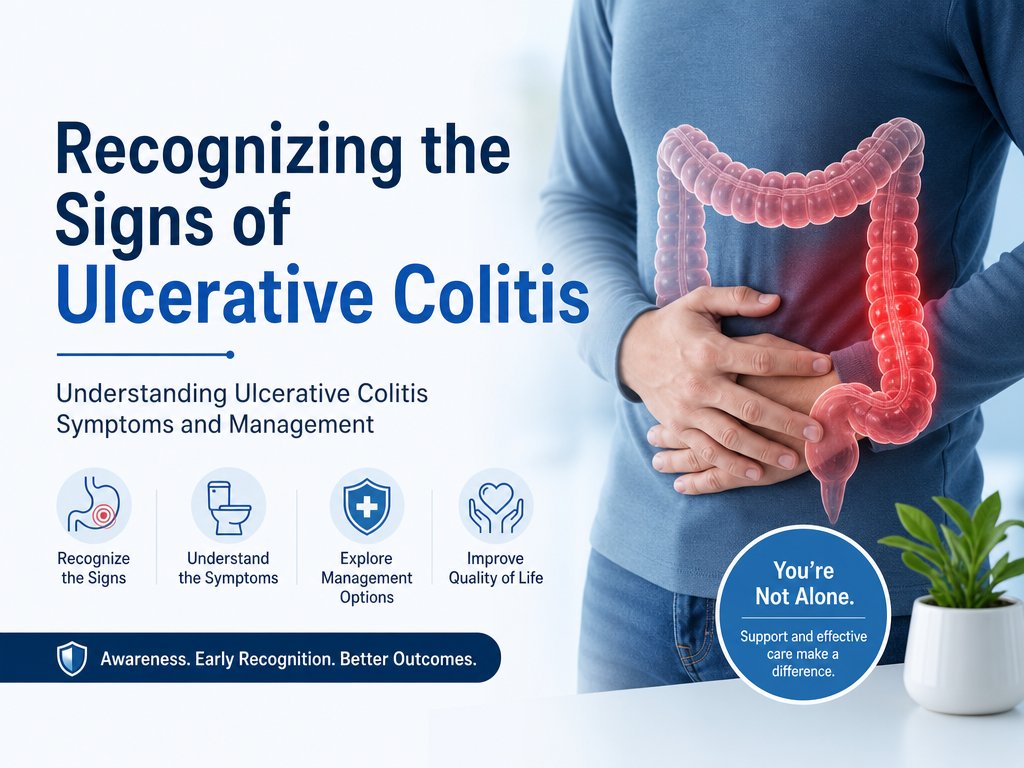
Ulcerative colitis is an inflammatory bowel disease characterized by inflammation and ulcers forming in the intestinal lining, specifically affecting the colon and rectum. It predominantly affects about 700,000 individuals in the U.S., with symptoms typically manifesting between the ages of 15 to 30 or, in a smaller demographic, between ages 50 to 70. These symptoms often significantly impact daily life, necessitating diligent management and healthcare support to maintain quality of life and mitigate the challenges of living with the condition.
Common Symptoms and Their Impact
The primary symptoms of ulcerative colitis include persistent diarrhea, rectal bleeding, and an urgent need to pass stools. These symptoms can severely disrupt daily activities, impacting work, school, and social engagements. During flare-ups, both the frequency and severity of these symptoms can increase, potentially leading to considerable discomfort and even medical emergencies if not properly managed or treated in a timely manner. Understanding these symptoms is crucial for effective management and maintaining stability in everyday life.
Diarrhea and Rectal Bleeding
Diarrhea is among the most prevalent symptoms, often characterized by frequent, urgent, and watery bowel movements. Patients might experience more than 10 bowel movements per day. The presence of blood or mucus in the stools is a common indicator of inflammation, and persistent or severe diarrhea may require medical attention to prevent dehydration or other complications. Being vigilant about these symptoms can ensure prompt medical intervention, which is key in preventing further health deterioration.
Abdominal Pain and Cramping
Abdominal pain and cramping are common symptoms that often suggest an exacerbation or worsening of the condition. The intensity of the pain can vary, ranging from mild to severe, and may be accompanied by associated muscle spasms. These symptoms may limit daily functioning and productivity, requiring the use of specific pain management strategies, which can include medication, dietary adjustments, or lifestyle changes. Understanding these strategies is important in enhancing the quality of life.
Fever and Systemic Effects
Approximately 40% of patients with ulcerative colitis experience chronic low-grade fevers. A fever is the body’s natural way of responding to inflammation or infection, so monitoring it is necessary. Temperatures exceeding 103ºF are concerning and warrant prompt medical intervention. Regular screenings for anemia, which can result in chronic fatigue and decreased energy levels, are advisable to manage and address these systemic effects. Additionally, timely medical assessment can assist in preventing complications, such as infection or anemia-related concerns, which may further complicate the disease.
Understanding Flare-ups and Triggers
Flare-ups are periods when symptoms worsen or become more apparent. Identifying potential triggers is essential for managing the disease effectively. Common triggers may include stress, certain dietary choices such as dairy products, high-fiber foods, or spicy foods, and non-steroidal anti-inflammatory drugs (NSAIDs). Establishing a comprehensive management plan that includes medication, dietary adjustments, and stress-reduction techniques can help mitigate these flare-ups. This careful approach to monitoring and managing triggers plays a vital role in maintaining symptom control and overall stability in health.
Disease Management and Life Expectancy
While ulcerative colitis is a chronic condition, it can be effectively managed with appropriate treatment strategies, thus allowing individuals to maintain a good quality of life. Treatment typically involves the use of anti-inflammatory drugs, immunosuppressive agents, and biological therapies. Challenges include balancing medication side effects with symptom control, which requires careful planning and regular consultation with healthcare providers. If serious complications, such as severe bleeding or colon rupture, are avoided, life expectancy is generally not affected. Regular follow-up with healthcare providers further aids in monitoring and managing the condition effectively over the long term.
Gender Differences and Additional Considerations
Both men and women generally experience similar symptoms; however, some issues are unique or more common in women. For example, rectovaginal fistulas, a rare but serious condition, may specifically affect women with ulcerative colitis. Additionally, the risk of anemia and osteoporosis may be heightened in women, necessitating further consideration in management plans. Monitoring bone density and ensuring adequate intake of iron, calcium, and vitamin D are critical to maintaining overall health and preventing complications. Incorporating these specific health concerns into management strategies can lead to improved health outcomes and ensure a more tailored approach to care.
Conclusion
Ulcerative colitis is a chronic but manageable disease with appropriate medical oversight and lifestyle modifications. Recognizing the symptoms early and maintaining regular consultations with healthcare providers can help in managing the condition effectively, potentially preventing severe complications. Educating patients about their condition, encouraging adherence to treatment plans, and promoting a healthy lifestyle are key components in the long-term management of ulcerative colitis. Regular follow-ups and keeping a detailed symptom diary can enhance disease management, allowing adjustments to treatment as needed. Implementing such comprehensive measures is crucial for effectively living with this chronic condition and maintaining quality of life. By utilizing available resources and developing personalized management plans, patients can effectively navigate the challenges associated with ulcerative colitis.