The Basics of Decompression Therapy
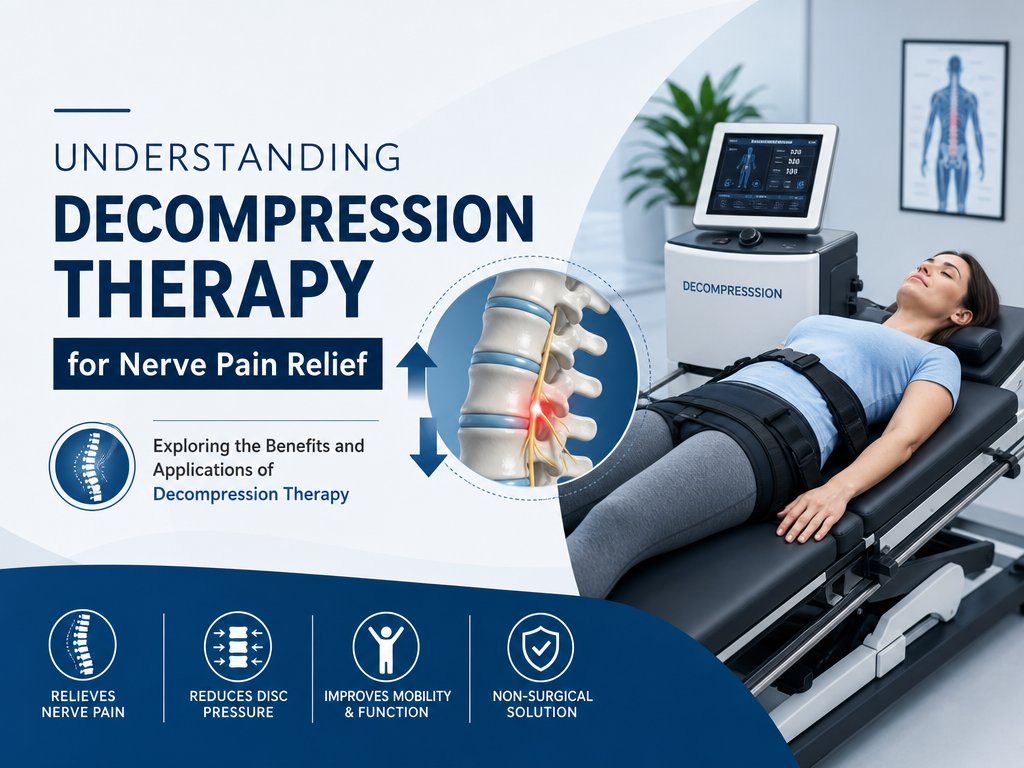
Decompression therapy serves as a viable treatment method for alleviating pain caused by compressed nerves. By increasing the space around affected nerves, it helps diminish pressure, allowing healing processes to occur. This therapy often comes into play when other treatments like rest, physical therapy, or acupuncture prove ineffective. The mechanics involve gently stretching the spine, which alters the force and position of the spine. This change takes pressure off the spinal discs (gel-like cushions between the bones in your spine) by creating negative pressure in the disc. As a result, bulging or herniated discs may retract, taking pressure off nerves and other structures in the spine. This process helps promote the passage of healing nutrients to flow into the disc and nerve structures, promoting recovery.
When to Consider Decompression Therapy
Decompression therapy can be beneficial for those experiencing pain in areas such as the spine, hips, knees, or joints. It offers a non-surgical alternative, potentially reducing pain effectively. Physicians may suggest this therapy for severe pains unresponsive to initial treatments, such as pain related to sciatica, disc degeneration, or facet syndrome.
Conditions and Indications
Individuals with health issues leading to nerve compression might find decompression therapy helpful. Some assessments, including MRI or X-rays, can determine nerve problem severity and whether decompression therapy is suitable. This therapy’s key advantage is that it is minimally invasive compared to surgical interventions, making it an appealing consideration for patients who prefer to avoid surgery.
How Decompression Therapy Works
Decompression therapy involves techniques that open up spaces in the spine where nerve roots pass through, reducing tension and repositioning discs. Common methods include spinal traction provided by healthcare professionals and the use of specialized traction devices. These devices employ a computerized mechanism to ensure precise decompression, adjusting and adapting to the individual’s needs during each session. The technology allows the practitioner to program the machine, varying the amount and duration of force, making the procedure customized and tailored to the individual patient’s requirements, thereby enhancing its effectiveness.
Procedure Overview
A typical decompression session lasts about 30 minutes, with 10 to 20 sessions usually required to achieve noticeable results. It isn’t typically the primary treatment choice and is advised when other options do not yield desired results. Before starting the treatment, a thorough assessment by a healthcare provider usually involves evaluating the patient’s medical history and current health condition to ensure that decompression therapy is a safe and appropriate treatment option. Proper patient selection is key to achieving the best therapeutic outcomes, as certain conditions might contraindicate its use.
Research and Effectiveness
Studies indicate that decompression therapy generally poses minimal risks and might be effective in reducing compression-related symptoms. Some research challenges its superiority over other treatments, suggesting more studies are needed for a comprehensive understanding of its long-term benefits, especially for treating cervical disc herniation. Despite conflicting findings, patient testimonials often report significant relief, and some practitioners stand by its inclusion in multi-modal treatment strategies.
Case Studies and Findings
A 2025 report suggests that nonsurgical decompression is generally safe, with additional research needed to assess long-term safety. A 2022 study with individuals suffering from herniated discs showed improvement in patients who underwent decompression therapy, with many experiencing reduced pain and greater mobility. However, the study emphasized that while the results were promising, continuing research is vital to better understand both the potential and limitations of this treatment.
Considerations and Safety
While generally deemed safe, decompression therapy might cause side effects in some cases. Consulting with a healthcare provider is recommended if pain persists after sessions. Immediate medical attention is advised if there are new or worsening symptoms post-treatment. Contraindications may include patients with fractures, tumors, advanced osteoporosis, or certain medical conditions that might be exacerbated by the therapy. Regular follow-up appointments with healthcare providers can help in monitoring the effectiveness of the therapy and making necessary adjustments to the treatment plan.
Conclusion
Overall, decompression therapy can be an effective intervention for severe or chronic nerve pain that significantly impacts daily life. For personal guidance, those experiencing significant pain, especially in spinal or neck regions, should consult a healthcare professional to evaluate injury severity and treatment appropriateness. A careful assessment ensures that the therapy aligns with the individual’s functional goals and contributes to their overall quality of life, making it a thoughtful choice in managing cumbersome pain conditions. Patients are encouraged to maintain an open line of communication with their healthcare practitioners, discuss any concerns, and ensure a fully informed approach to managing their health and wellness through various treatment modalities available within modern healthcare.