The Challenge of Bipolar Disorder Diagnosis
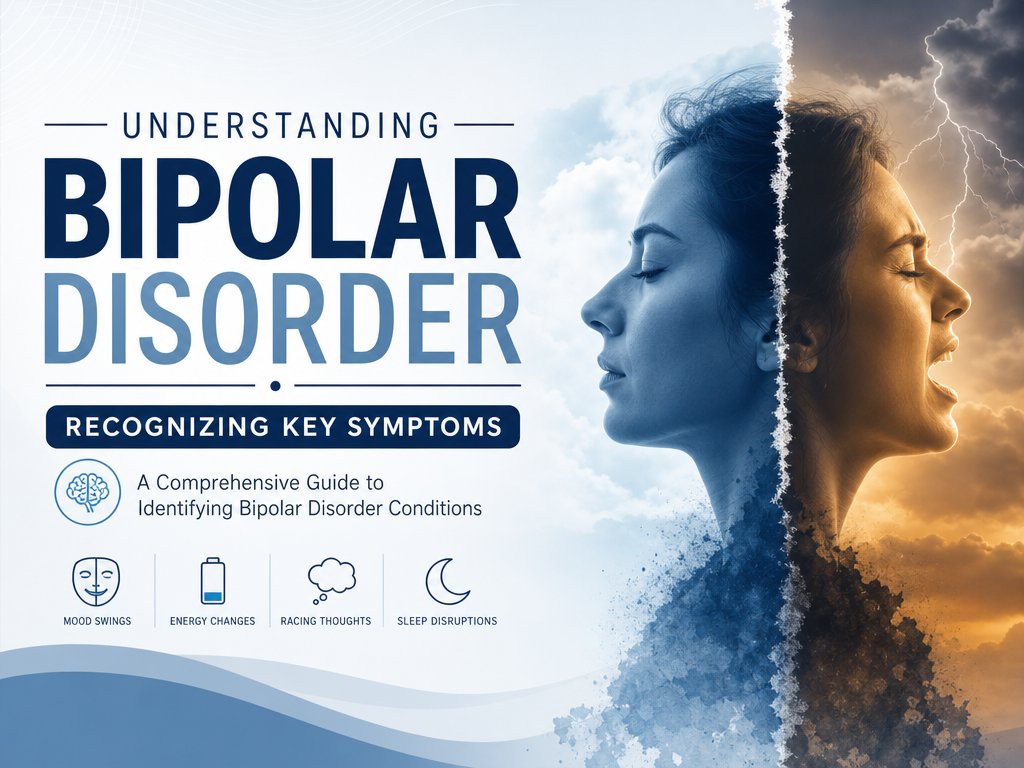
Bipolar disorder is a complex mental health condition marked by extreme mood swings ranging from manic highs to depressive lows. These variations can sometimes mix, causing simultaneous feelings of euphoria and sadness. Understanding these shifts can be challenging, yet recognizing them is crucial for an accurate diagnosis and effective treatment. Such awareness is foundational in creating effective care plans tailored to the needs of each individual.
Prevalence and Age of Onset
Statistics reveal that approximately 4.4% of adults in the United States are diagnosed with bipolar disorder over their lifetime. Typically, symptoms emerge between the ages of 18 and 29, though they can appear earlier or later, during childhood or adolescence. Early detection is important as it can significantly influence the course of the disorder, allowing individuals to develop coping mechanisms and manage symptoms more effectively over time. Early intervention also empowers families to access available resources to support the individual.
Types of Bipolar Disorder
Bipolar disorder is categorized into several types, with Bipolar I and II being the most prevalent. Understanding the differences is vital for proper diagnosis. Other variants such as Cyclothymic disorder and atypical forms require careful evaluation, ensuring individuals receive a diagnosis that accurately reflects their symptoms and potential needs. Personalized treatment plans that consider these nuances can dramatically improve outcomes.
Bipolar I Disorder
Characterized by manic episodes, Bipolar I may also include depressive episodes, though these are not necessary for diagnosis. It is essential for individuals to not have another condition that can explain the symptoms for a diagnosis. Symptoms can disrupt daily activities and may require hospitalization to manage manic episodes safely. Recognizing the need for medical intervention can prevent harm and stabilize the individual’s condition.
Bipolar II Disorder
This type involves a pattern of depressive episodes and less severe manic episodes known as hypomania. Accurate identification is crucial as depressive symptoms are usually more dominant, often leading individuals to first seek treatment during these depressive phases. Effective management often necessitates balancing medications targeted at both poles of the mood spectrum. Treatment should also include therapeutic strategies that help sustain long-term stability.
Cyclothymic Disorder
Cyclothymic disorder features mood changes that are less intense compared to Bipolar I and II, with fluctuating hypomanic and depressive symptoms lasting at least two years in adults (one year in children and teens). It can be particularly challenging to diagnose because symptoms are less extreme and may not always result in functional impairment. Therefore, careful observation and detailed patient history are pivotal for an accurate diagnosis.
Other Considerations
Some cases do not fit neatly into these categories, termed as bipolar disorder not otherwise specified. Recognizing these atypical cases is important for ensuring those affected receive appropriate treatment and management. Treatment approaches may need to be tailor-made, addressing individual symptoms and life circumstances. Such tailored interventions account for the complexity of the disorder and its impact on daily functioning.
Symptoms of Mania and Depression
Both mania and depression have distinct signatures and can include symptoms like psychosis, irrational thought processes, or extreme fluctuations in energy levels and activity. Recognizing these signs can aid in differentiating bipolar disorder from depression and other conditions. Educating patients and families about what symptoms look like and when to seek help can empower them to engage more actively in the management of the condition. Understanding triggers and early warning signs can prevent severe episodes.
Challenges and Misdiagnosis
Distinguishing bipolar disorder from depression is challenging due to overlapping symptoms. Misdiagnosis can lead to ineffective treatment, underscoring the importance of comprehensive evaluation. Broad-ranging assessments can help pinpoint the exact nature of the disorder. Inaccurate diagnosis can result in treatments that target only part of the cycle, exacerbating symptoms over time. Continuous re-evaluation and adjustment of treatment plans contribute to more effective management.
Bipolar Disorder and Substance Use
The coexistence of substance use disorders in individuals with bipolar disorder can complicate diagnosis and treatment. Data indicates that these individuals may face increased risks, including potential for misdiagnosis, treatment complications, and relapse in substance use. Treatment plans must address both the substance use and the mood disorder, often involving coordinated care between mental health and addiction specialists. An integrated approach can mitigate the risk of relapse and improve patient outcomes.
Path to Proper Diagnosis and Treatment
Obtaining an accurate diagnosis is critical. This can involve screening for symptoms variances, bipolar history, and potential interference from substance use. A thorough review of drug use, both past and present, is a necessary part of this diagnostic process. Combining psychiatric evaluation with medical testing can enhance the precision of the diagnosis. Collaborative, integrated care strategies can ensure that all aspects of a patient’s health are considered, and tailored interventions are applied accordingly. Holistic approaches that address lifestyle, emotional well-being, and physical health can also lead to more successful treatments.
Bipolar Disorder in Young People
Children and adolescents can also experience bipolar disorder, often complicated by other conditions like ADHD. Moods during puberty can exacerbate these symptoms. Early intervention is key to managing symptoms and preventing future issues. Furthermore, educating families about what to watch for in young people may lead to more timely consultations with healthcare providers. Schools can also play a supportive role by communicating with families about observed behaviors and changes in academic performance. Schools can be an invaluable resource in creating a supportive environment that encourages healthy coping strategies.
Monitoring and Seeking Help
If there are concerns about young individuals’ mood fluctuations, immediate medical consultation is recommended. A correct diagnosis ensures appropriate interventions. Families are encouraged to keep detailed logs of these mood fluctuations to provide accurate reports during medical consultations. Early involvement of mental health professionals can guide treatment plans that accommodate the developing needs of young individuals, while peer support groups can also offer encouragement and understanding. Intervention programs aimed at promoting resilience can enhance life outcomes for young people with bipolar disorder.
Conclusion
Bipolar disorder notably affects daily life and requires careful management through medication, therapy, and a holistic assessment by medical professionals. Recognizing early signs and symptoms allows for better management strategies and improved quality of life. Given the disorder’s complexity, building a support network involving healthcare professionals, family, and friends can be advantageous in adhering to treatment plans. Ongoing research continues to improve understanding of bipolar disorder, promising more precise treatments in the future. Cultivating a community-based approach can further support long-term recovery and overall well-being.
If thoughts of self-harm or suicide arise, it is crucial to seek emergency support and remove potentially harmful objects or substances while awaiting professional help. Crisis hotlines and emergency services can provide immediate assistance and guidance during critical moments. The support of loved ones is invaluable during these times, helping maintain safety and providing comfort during recovery. Encouraging open communication about mental health can break down barriers and reduce stigma, making it easier for individuals to seek timely help.