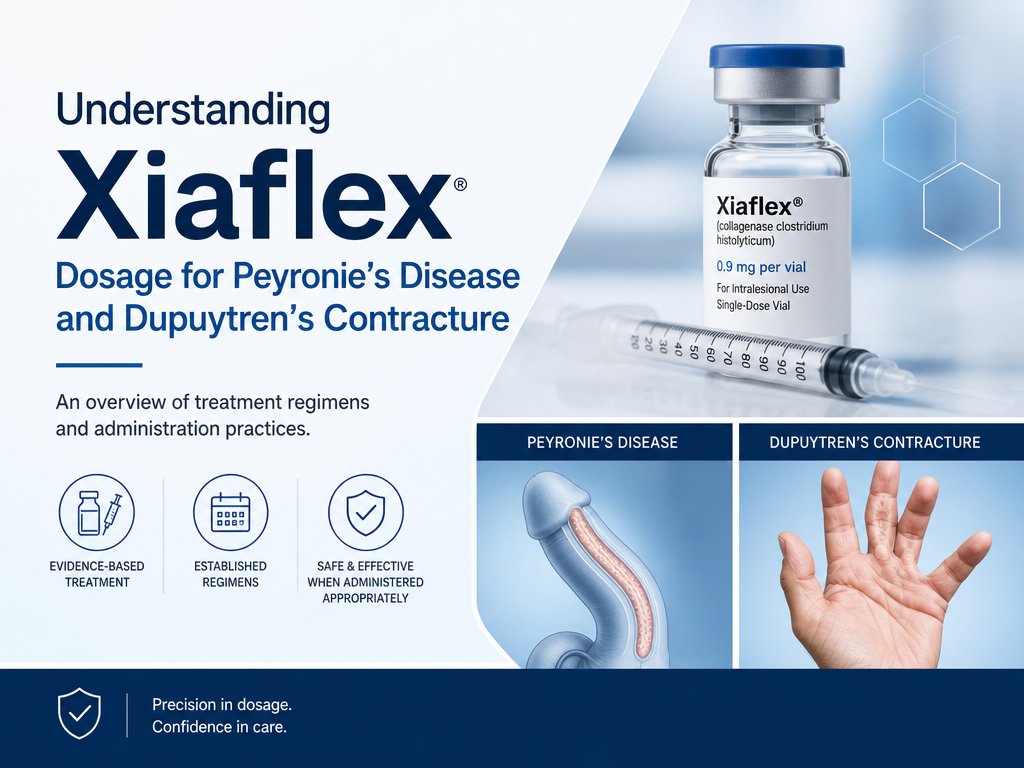
Introduction to Xiaflex Treatment
Xiaflex is a prescribed medication extensively utilized to treat conditions such as Peyronie’s disease and Dupuytren’s contracture in adults. This medication is renowned for its unique enzymatic action facilitated by collagenase clostridium histolyticum, which intricately works by breaking down the excess collagen tissues that cause these ailments. Through its action, the treatment method effectively involves direct injections administered by healthcare professionals, focusing on managing the symptoms and potentially correcting the progressive nature of these chronic conditions. This innovative approach makes Xiaflex an essential component of therapeutic regimes aimed at restoring normalcy and improving quality of life for affected individuals.
Xiaflex Composition and Formulation
Produced as a biologic drug derived from living cells, Xiaflex is made available in a specific formulation that becomes ready for use after undergoing proper preparation by healthcare providers. It is supplied in a single-dose vial as a powder, which is subsequently reconstituted into an injectable solution by a qualified healthcare provider. This crucial preparation step ensures the drug’s efficacy and safety during administration, which is typically carried out in a structured and controlled medical environment to maintain its therapeutic integrity. This meticulous process underlines the importance of professional handling, underscoring the precision required to harness the benefits of Xiaflex effectively.
Dosage Guidelines for Peyronie’s Disease
The treatment regimen for Peyronie’s disease involves up to four meticulously planned treatment cycles using Xiaflex injections, with each cycle generally scheduled approximately six weeks apart. A typical treatment cycle comprises two injections of 0.58 mg, administered 1 to 3 days apart from each other. Following the treatment, the healthcare professional actively attempts to physically stretch the plaque in the penis, which can help in reducing the curvature. Subsequent treatment cycles are thoughtfully adjusted based on the individual’s specific response to the therapy, ensuring that care is tailored to effectively decrease penile curvature and enhance the patient’s quality of life. By customizing treatment protocols, healthcare providers strive to deliver outcomes that align closely with patient recovery goals, paving the way for substantial improvements.
Dosage Instructions for Dupuytren’s Contracture
For treating Dupuytren’s contracture, patients receive Xiaflex injections carefully directed into the affected cord in the hand. This treatment may involve the administration of either one or two injections per session. Follow-up sessions generally take place within 1 to 3 days after the initial injection, wherein doctors attempt to gently straighten the affected finger. For certain patients, up to three treatment rounds may be deemed necessary for each affected area, with these rounds spaced four weeks apart to allow a gradual extension of the fingers. This methodical approach ensures steady progress and enhances the functional ability of the hand. The well-planned application of Xiaflex provides a structured treatment path that supports progressive improvement in hand functionality and dexterity.
Administration Precautions
Due to potential risks associated with Xiaflex, such as penile injury while treating Peyronie’s disease, the medication requires special certification to prescribe, and the injection process is conducted by a trained healthcare professional. The procedure is often performed under local anesthesia to minimize any discomfort or risk during the injection process. Healthcare professionals take extensive measures to handle the administration process sensitively and appropriately, ensuring both patient safety and treatment effectiveness through diligent execution and care. Such rigorous precautions play a critical role in enhancing treatment outcomes, providing patients with a reassuring therapeutic experience.
Post-Treatment Care
Following the treatment of Peyronie’s disease with Xiaflex, healthcare professionals typically bandage the treated area and provide specific exercises for the penis to assist in maintaining progress and achieving mutual treatment goals. Similarly, patients undergoing treatment for Dupuytren’s contracture are equipped with detailed instructions on proper hand care, which may include the use of a splint during the nighttime and recommended exercises to prevent treated cords from returning to an abnormal position. Such focused post-treatment care is essential to ensure long-term benefits from Xiaflex therapy and optimize recovery. Comprehensive care suggestions are designed to empower patients in their self-care routines, underscoring the collaborative role between the patient and healthcare provider in achieving sustained health improvements.
Scheduling and Reminders
Xiaflex treatments in a clinical setting are structured around carefully planned appointments, allowing both the patient and healthcare provider to monitor progress effectively. Additionally, options for utilizing medication reminders help patients adhere to the treatment schedules and maximize the therapeutic benefits of the Xiaflex regimen. This level of precise coordination ensures a comprehensive approach to managing treatment and optimizing health outcomes through consistent and vigilant care. The strategic scheduling of appointments bolsters patient engagement and facilitates an effective treatment course. Engaging patients in the treatment timeline enhances collaboration and maximizes the therapeutic potential realized from Xiaflex interventions.
**Disclaimer:** The information provided in this article serves informative purposes only and underscores the importance of actively consulting with healthcare providers to address any medical concerns or treatment considerations. This guarantees that patients receive personalized medical advice tailored to their specific health needs and conditions, offering stability and peace of mind throughout the treatment journey. Comprehensive dialogue with medical professionals is encouraged to provide a secure and informed path towards health and wellness, ensuring clarity and adherence to the best possible treatment strategies.