Introduction to Chemotherapy Duration
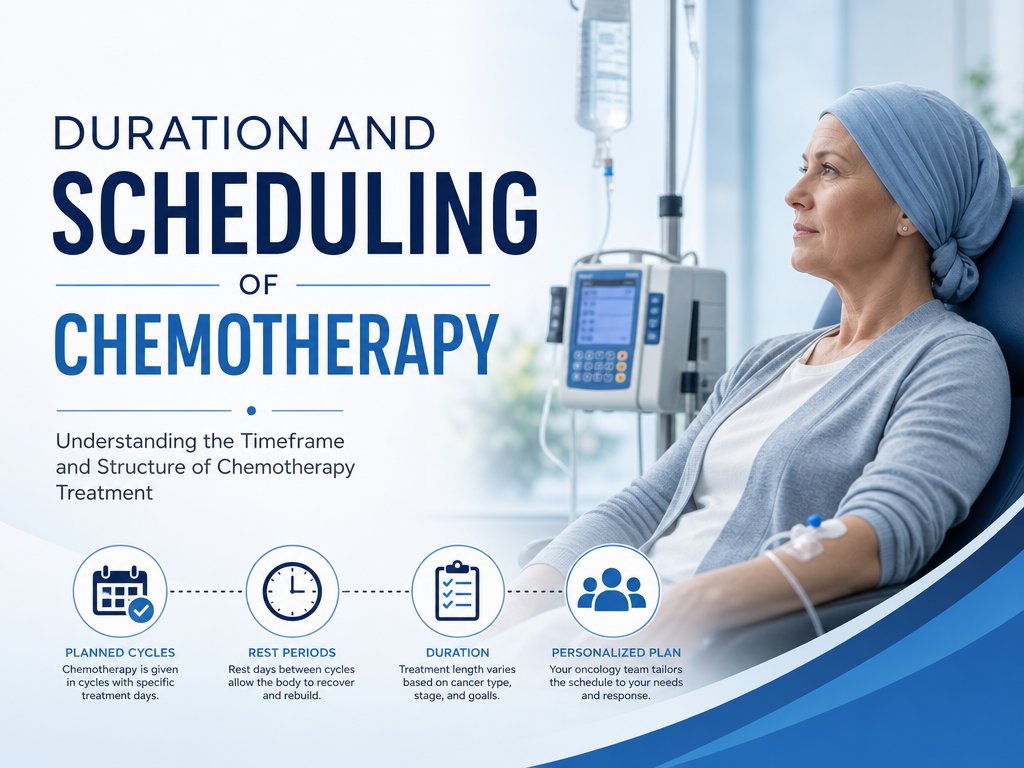
Chemotherapy is a vital drug-based treatment method aimed at targeting cancer by halting the growth and division of cancer cells. It’s organized in specific intervals known as cycles. The time each cycle and the complete treatment take depends significantly on various factors like the type of chemotherapy, cancer stage, and individual response to treatment.
– One course usually spans 3 to 6 months and comprises multiple cycles.
– Each cycle typically ranges from 2 to 6 weeks. However, adjustments can be made based on patient tolerance and clinician assessment.
Understanding Chemotherapy Cycles and Sessions
Every cycle consists of several sessions, which can occur daily, weekly, or monthly based on the treatment’s nature. The session’s duration can vary based on the drug formulation, patient response, and administration method.
– Intravenous chemotherapy (IV) might extend over hours or even days, with certain regimens requiring continuous infusions.
– Oral and topical chemotherapies offer more convenience as they can be administered by the patient at home without hospital visits, making adherence to treatment schedules more manageable.
– Oral chemotherapy is typically taken as pills or liquids, swallowed orally with water.
– Topical chemotherapy is applied directly to the skin as a gel or ointment, usually for cancers affecting the skin.
Preparing for Chemotherapy
To enhance comfort during sessions, consider preparing beforehand. It’s essential to hydrate well and maintain a nutritious diet to bolster strength. Consult your healthcare provider about any preemptive medications for adverse effects like nausea or fatigue. Some centers provide nutritional counseling as well.
Each treatment center offers different facilities, so verifying available amenities in advance is advisable. Some centers might have relaxation areas, personal entertainment options, and support groups to help cope with treatment stress.
Long-term Effects and Preparation
As chemotherapy targets cancer cells, it may also detrimentally affect healthy cells, including those in hair follicles, digestive tract lining, and bone marrow, leading to side effects. These side effects may vary—some lasting for short periods, while others could extend beyond treatment completion, sometimes altering nail or skin appearance.
Organizations like the Cancer Financial Assistance Coalition may offer resources for financial support if necessary. Additionally, known side effects like neuropathy, fatigue, anemia, and cognitive changes should be openly discussed with healthcare providers to explore management options.
Conclusion and Recommendations
The chemotherapy schedule is somewhat flexible, based on cancer type and progression stage. Adjustments may sometimes be necessary to ensure the patient remains in the best possible condition to complete the treatment course effectively. It’s crucial for patients to maintain frequent communication with their healthcare team regarding treatment progress and any arising concerns. Consulting with healthcare professionals about treatment specifics plays a significant role in facilitating thorough preparation and ensuring that patients receive necessary support in navigating both physical and emotional challenges during treatment.