What is a Liver Biopsy?
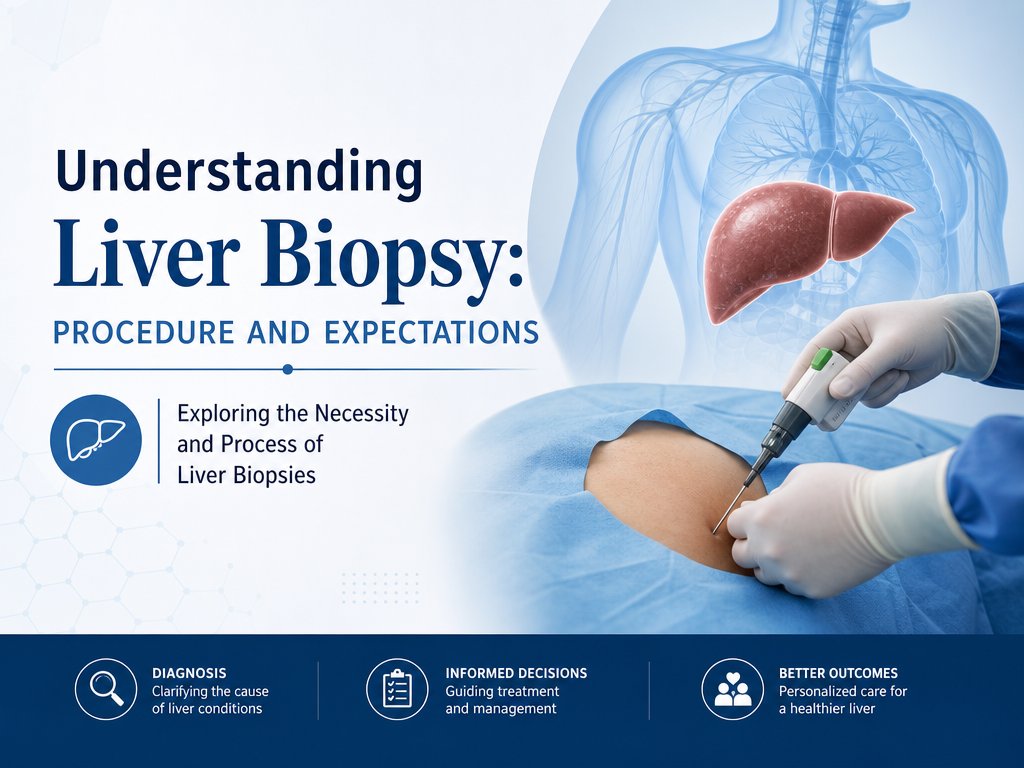
A liver biopsy is a crucial medical procedure where doctors remove a small piece of liver tissue for laboratory analysis to gain detailed insight into liver health. This procedure is primarily used to diagnose a range of conditions affecting the liver, such as cirrhosis, various infections, inflammation, and the presence of cancerous cells within the liver. The biopsy helps in evaluating the severity of any existing liver disease, guiding the therapeutic course, and tailoring personalized treatment plans.
When is a Liver Biopsy Necessary?
Doctors may recommend a liver biopsy based on preliminary findings from blood tests or imaging studies indicating liver abnormalities. The procedure is instrumental in diagnosing infections, inflammation, cancer, or assessing the degree of liver damage. It is commonly recommended when patients have unusual liver test results that aren’t explained by other diagnostic methods, abnormal liver masses found in imaging tests, or persistent unexplained fevers. While imaging tests like CT scans, MRI, and X-rays can pinpoint areas of concern within the liver, biopsies provide precision in diagnosing various liver conditions and devising treatment options for issues beyond cancer, such as chronic liver diseases.
Risks and Precautions
Liver biopsies, like any medical procedure involving skin incisions, do come with inherent risks such as infection and bleeding. Due to the liver’s high density of blood vessels, even minor procedures can potentially result in significant bleeding. In rare cases, such as in 1 in 2,500 liver biopsies, serious bleeding might occur, requiring immediate medical interventions like blood transfusions or surgery to manage and control the complications.
Preparation and Procedure
Generally, minimal preparation is required for undergoing a liver biopsy. However, doctors may advise some specific pre-procedure steps tailored to your individual health condition. Before the procedure, you will change into a hospital gown, and a sedative might be administered through an IV line to help you relax and alleviate discomfort during the procedure.
Types of Liver Biopsies
Three primary types of liver biopsies exist: percutaneous, transjugular, and laparoscopic. Percutaneous and transjugular biopsies utilize local anesthetics to numb the targeted area. In contrast, laparoscopic procedures necessitate general anesthesia because it induces a deep sleep throughout the operation, allowing for more invasive scrutiny of the liver and surrounding tissues when necessary.
Recovery and Follow-up
Once the biopsy is completed, the incision site is closed with stitches and covered with bandages. A period of bed rest is important for several hours post-procedure, during which medical personnel will closely monitor your vital signs. After receiving approval from your doctor, you may be discharged home, where you’re likely to be advised to rest for at least 24 hours. Most patients can resume normal activities typically within a few days of their biopsy, barring any complications.
Laboratory Testing and Results
Following the biopsy, the liver tissue sample is sent for comprehensive laboratory testing. This process may take up to a couple of weeks, depending on the complexity of the tests required. Once the results are ready, your doctor will communicate them to you, either through a phone call or a follow-up appointment. This session will also involve discussing recommended treatment plans or outlining the next steps based on the findings of the biopsy, ensuring a comprehensive approach to managing your liver health and addressing any identified issues promptly and effectively.