Introduction to Endometritis
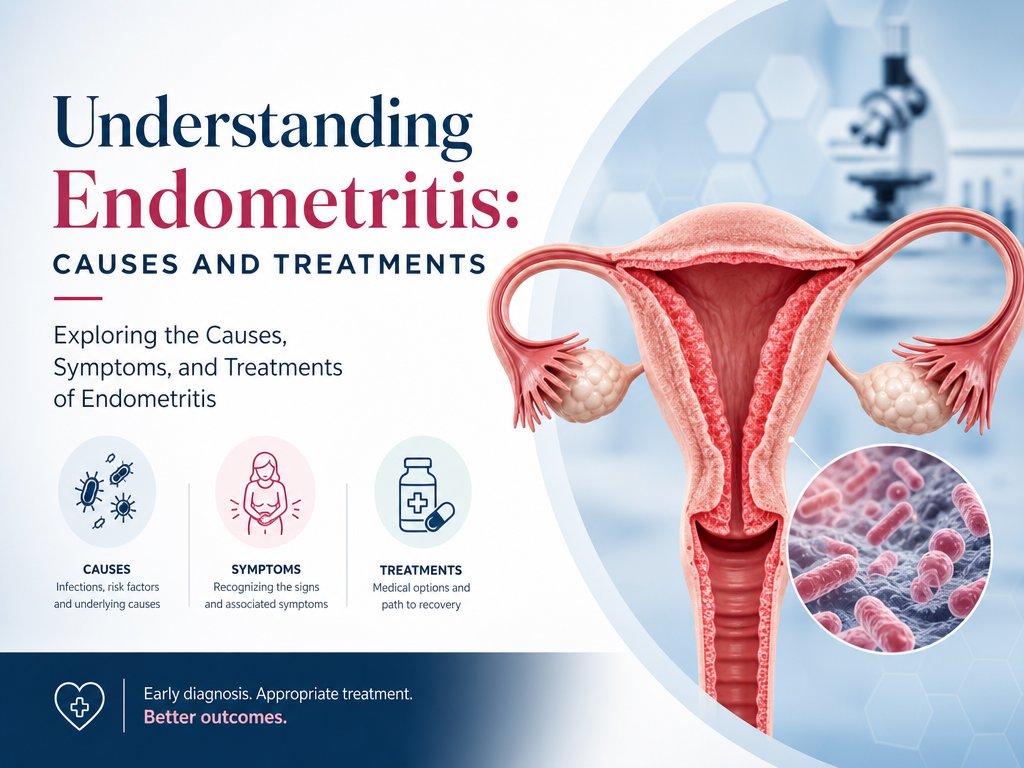
Endometritis is a medical condition characterized by the inflammation of the endometrial lining within the uterus, most commonly due to an infection. While it’s generally not considered life-threatening, it necessitates timely medical intervention to prevent potential complications from developing. Early treatment of endometritis can considerably enhance recovery outcomes and help minimize any long-term health issues, thereby safeguarding overall reproductive health and improving quality of life for those affected.
Causes and Risk Factors
This condition often results from bacterial infections that may occur following events such as childbirth, miscarriage, or other medical procedures involving the uterus. These situations can increase the risk of bacterial access to the uterus through the cervix, leading to inflammation. Additional risk factors include prolonged labor, cesarean sections, and the presence of retained products of conception. Understanding the risks associated with these factors allows for the implementation of preventive measures and encourages prompt medical attention when symptoms arise, ensuring better health outcomes.
Symptoms and Diagnosis
Recognizing Symptoms
Symptoms of endometritis can manifest in various ways, often including pelvic pain, abnormal uterine discharge—frequently foul-smelling—and fever as part of the body’s response to infection. A healthcare provider will conduct a thorough evaluation through both physical and pelvic exams to diagnose endometritis effectively. Blood tests may also be conducted to detect elevated white blood cell counts along with markers that indicate inflammation, pointing to an infection. Sometimes, additional imaging tests are necessary to rule out other potential conditions and confirm the diagnosis of endometritis, thus ensuring accurate and effective treatment is initiated promptly.
Complications if Untreated
Untreated endometritis can lead to various significant reproductive complications, such as infertility or more severe systemic infections that necessitate urgent medical attention. Chronic endometritis may not be as overt as acute cases but poses similar risks, particularly affecting women of childbearing age by impacting fertility and reproductive system health. Timely detection and appropriate treatment are crucial to avoiding negative health outcomes and preserving overall reproductive capabilities, ensuring better future health and preventing more severe complications from arising.
Treatment and Management
Treatment typically involves the use of antibiotics, which are essential for addressing the underlying bacterial infection. Severe cases, particularly those occurring post-childbirth, may require hospitalization for the administration of intravenous (IV) antibiotics and fluids to manage symptoms and prevent further complications. If a sexually transmitted infection (STI) is involved, it is essential for both partners to receive treatment to prevent reinfection and ensure the complete resolution of the condition. Completing the entire prescribed medication course is vital for thorough recovery and preventing recurrence. Regular follow-up appointments with healthcare providers are often recommended to monitor recovery progress and address any ongoing health concerns, ensuring comprehensive management of the condition.
Preventive Measures
Risk reduction during surgical procedures or childbirth is achieved through the implementation of sterile techniques and the administration of precautionary antibiotics when necessary. Safe sex practices are strongly recommended to reduce the risks of endometritis linked to sexually transmitted infections (STIs), which are a common route of bacterial introduction. Educational campaigns focused on infection prevention during hospital stays and medical procedures are instrumental in lowering incidence rates. Moreover, increasing awareness among healthcare providers and patients about infection control can substantially contribute to preventing endometritis. This holistic approach to prevention helps to maintain better overall reproductive health and improve individual patient outcomes over the long term.
The Outlook
With timely and appropriate treatment, the outlook for endometritis is generally positive, with symptoms often resolving completely through antibiotics. Conversely, untreated endometritis can disrupt reproductive capabilities and cause severe infections, like pelvic inflammatory disease (PID), with possible permanent effects on health and conception abilities. Regular check-ups and maintaining alertness regarding symptoms ensure rapid medical intervention, ultimately preserving reproductive health and overall well-being. Consequently, enhancing individuals’ quality of life and optimizing healthcare outcomes in the longer term becomes achievable, contributing to better health maintenance and overall satisfaction for those affected by this common condition.