Introduction to Escitalopram
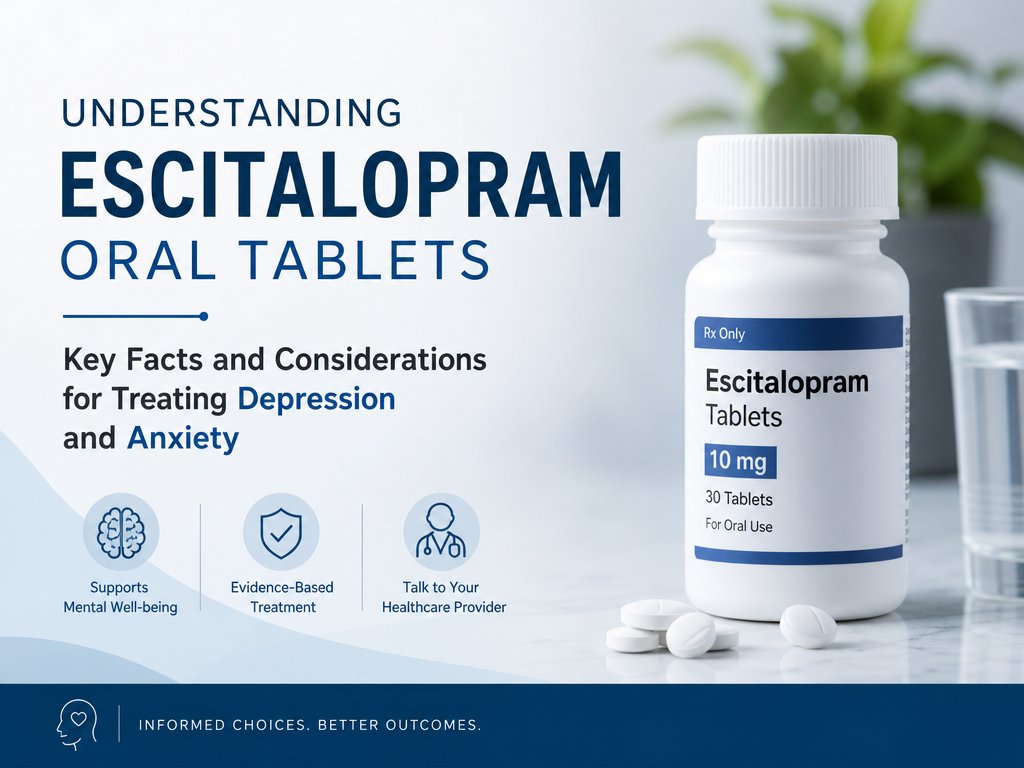
Escitalopram is a generic prescription medication commonly used to treat depression and anxiety disorders. This drug, belonging to a class of antidepressants known as selective serotonin reuptake inhibitors (SSRIs), is available in an oral tablet form. SSRIs are widely used because of their effectiveness in correcting the imbalance of brain chemicals that affect mood and behavior. By addressing serotonin levels in the brain, they help stabilize and positively affect a person’s mood and emotional state. Escitalopram, as a widely used antidepressant, represents a significant component of mental health treatment protocols.
Uses and Effects
Doctors primarily prescribe escitalopram for major depressive disorder (MDD) and generalized anxiety disorder (GAD). These conditions can severely impact a person’s quality of life, making it difficult to function at work, school, or in daily activities. As with many SSRIs, escitalopram works by increasing the level of serotonin in the brain, which helps improve mood and emotional stability. By enhancing serotonin production and inhibiting its reabsorption, escitalopram allows more of the neurotransmitter to remain available in the brain, thereby helping to extend its mood-enhancing effects. Patients often report experiencing improvements in symptoms such as persistent sadness, lack of interest in activities, and difficulty concentrating.
Escitalopram’s versatility extends to treating various forms of anxiety, which can manifest as excessive worry, nervousness, or panic attacks. Its calming effect can help patients regain control over their thoughts and emotions, fostering improved work and social interactions. Moreover, the reduction in anxiety symptoms often leads to increased feelings of peace and a more balanced state of mind. As the medication gradually builds up in the system, patients initiating treatment may require a few weeks before observing full benefits. During this period, medical follow-ups ensure that the treatment is progressing effectively and safely, with adjustments made if necessary to optimize results.
Generic vs. Brand Name
Escitalopram is the generic form of the brand-name drug Lexapro. Both versions share the same active ingredients and are deemed equally effective, though generics typically offer a cost advantage. This affordability can make vital treatments more accessible for individuals who might otherwise be unable to afford medication. For complete details on differences between generic and brand-name medications, which may include inactive ingredients, patients are encouraged to consult their healthcare providers. Sometimes, these variations in inactive ingredients can affect individuals differently due to allergies or sensitivities.
Even though both medications are considered therapeutically equivalent, patients may have personal preferences or medical histories that lead a healthcare provider to recommend one over the other. For instance, possible differences in absorption or tolerance due to non-active components might influence this choice. The opportunity for reduced costs with generic options frequently enhances adherence to prescribed therapies, ultimately impacting treatment success. Ensuring patients have access to affordable and effective medication is crucial in maintaining consistent and effective treatment for mood disorders.
Potential Side Effects
While many benefit from escitalopram, users should be aware of potential side effects, ranging from mild to serious. It is essential to weigh these side effects against the possible benefits the medication may bring to managing severe depression or anxiety symptoms. Patient awareness and responsiveness to their own health changes play critical roles in optimizing treatment outcomes. Recognizing side effects early can prevent them from becoming more severe.
Mild Side Effects
Some individuals may experience mild side effects, such as nausea, dry mouth, or insomnia, which often subside over time. Other common side effects can include fatigue, dizziness, and increased sweating. While these are generally tolerable and may reduce as the body adjusts to the medication, if these side effects persist or become bothersome, it’s advised to contact a healthcare provider for guidance. Simple remedies, like adjusting the time medication is taken or using mouth moisturizers for dry mouth, can often alleviate these issues.
The ability of patients to tolerate such minor effects not only influences immediate comfort but can impact their willingness to continue therapy. Consequently, discussing any persistent or particularly distressing symptoms with healthcare professionals is advised. They may offer solutions that adjust the administration without forgoing the benefits of consistent psychiatric care. This ongoing dialogue ensures that the therapeutic journey focuses on maximizing comfort and wellness, allowing patients to navigate treatment with confidence and assurance.
Serious Side Effects and Risks
In rare cases, escitalopram may induce severe side effects, including intense or persistent headaches, vision changes, or uncontrolled muscle movements. Such symptoms should prompt immediate medical attention. Additionally, a critical FDA warning highlights the increased risk of suicidal thoughts and behaviors in children, adolescents, and young adults taking antidepressants. It is crucial for family members and caregivers to monitor any changes in mood, behavior, thoughts, or feelings while the individual is on this medication. Immediate medical consultation is recommended if unusual changes occur, as early intervention can prevent worsening symptoms or complications.
Moreover, patients with a history of bipolar disorder should proceed cautiously, as SSRI use can potentially trigger manic episodes. Individuals with underlying liver conditions might require careful monitoring given how the body metabolizes the drug. A comprehensive evaluation prior to initiating escitalopram therapy aids in understanding individual health risks, allowing for personalized and careful management. Continued monitoring under professional guidance ensures that the therapeutic advantages outweigh potential risks. By addressing and discussing serious side effects promptly, the treatment remains efficient and secure for those relying on it.
Drug Interactions and Precautions
Escitalopram can interact adversely with certain medications, including pimozide, certain antipsychotic medications, and substances like cannabis. Individuals are encouraged to provide a full list of medications to their healthcare provider to ensure safe use. This disclosure should include prescriptions, over-the-counter medications, herbal supplements, and any recreational drug use. Such interactions could potentially diminish escitalopram’s efficacy or increase the risk of unwanted side effects.
Consultation between patients and healthcare providers can identify suitable alternatives or adjustments to current medication regimens, ensuring optimal therapeutic outcomes. Highlighting the importance of transparency in sharing seemingly minor or unrelated lifestyle aspects with healthcare providers, patients safeguard their health and improve treatment efficacy. Applying vigilant care during treatment and maintaining open communication are essential to mitigating any potential negative interactions.
Specific Precautions
Patients are advised to avoid alcohol consumption while taking escitalopram. Alcohol can exacerbate the depressive and sedative effects, which may negate the benefits of the antidepressant. Furthermore, the use of escitalopram during pregnancy and breastfeeding warrants careful consideration due to its potential effects on newborns and infants. Potential risks need to be balanced with the benefits of treating maternal depression. Pregnant or nursing patients should always discuss these aspects with healthcare professionals to ensure safe usage, as untreated depression and anxiety can pose risks to both the mother and child.
Other considerations include the timely communication of past hypersensitivity reactions to SSRIs in general or trends in health that might suggest a need for diagnostic re-evaluation. Patients stand to benefit when they are proactive in advocating for their well-being, leveraging medical support in navigating through periods of uncertainty or when faced with treatment dilemmas. In situations of unexpected physiological changes, such guidance ensures that both the mental and physical health needs of patients receive appropriate attention. These considerations help patients manage their treatment plans while protecting their overall well-being.
Dosage and Administration
Typically, the starting dosage for adults is 10 mg daily, which may increase to a maximum of 20 mg per day depending on individual response and tolerability. Some patients may require lower starting doses, especially the elderly or those with severe liver impairment. Consistency in taking the medication at the same time every day is recommended for optimal results. This regularity helps maintain even levels of the drug in the body, enhancing its effectiveness and minimizing potential side effects.
Dosing adjustments are typically informed by therapeutic responses and side effect profiles. Healthcare providers may explore dose elevation if a patient presents with ongoing distress or persisting symptoms, while simultaneous caution ensures that dose increments are not too abrupt, thus preventing adverse reactions. These alterations follow a thorough benefit-risk assessment, structured to support a comfortable and progressive healing process. By maintaining routine communications with healthcare providers, patients enable informed medication management that prioritizes safety and therapeutic success. Such practices optimize treatment strategies and promote the achievement of health goals.
Conclusion
Escitalopram is a widely prescribed antidepressant that offers relief from depression and anxiety for many people. While it is generally well-tolerated, staying informed about its effects and consulting regularly with medical professionals helps to manage its usage effectively. Regular follow-ups can monitor the drug’s efficiency, adjust dosages if needed, and manage any emerging side effects or interactions with other medications. With informed guidance and supervision, escitalopram can be a part of an effective treatment plan for those struggling with mental health challenges. Through careful monitoring and responsible usage, patients can gain invaluable support on their journey to improved emotional well-being and stability, fostering holistic life improvements. Overall, escitalopram offers a valuable tool in addressing and managing mood and anxiety-related disorders, helping patients regain control over their mental health.