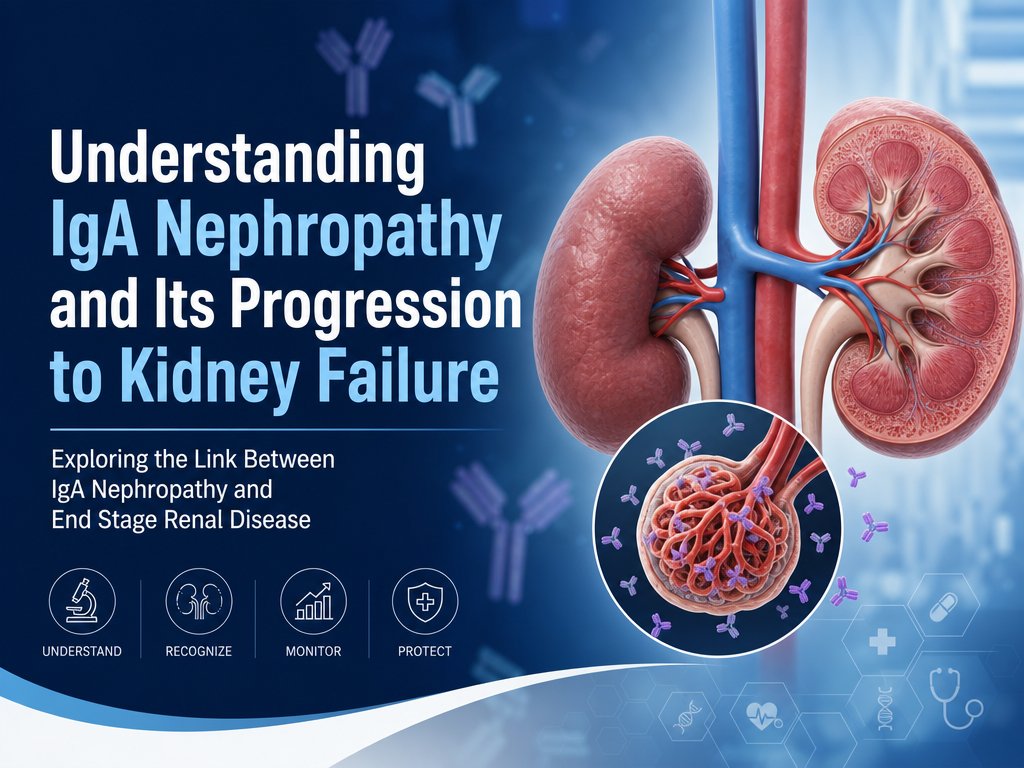
Introduction to IgA Nephropathy
IgA nephropathy is a medical condition characterized by the deposition of Immunoglobulin A (IgA) clumps in the kidneys, leading to inflammation and potential kidney damage. Approximately 20% of individuals with this disorder will eventually progress to end-stage kidney failure, a serious condition where the kidneys cannot function effectively without medical assistance such as dialysis or a transplant.
What is IgA Nephropathy?
IgA nephropathy is a rare autoimmune disorder in which the immune system mistakenly attacks healthy kidney tissue. This triggers an accumulation of IgA antibodies, leading to inflammation and damage to the kidney’s filtering units, known as glomeruli. As a result, the kidneys’ capacity to filter blood diminishes, causing blood and protein to leak into the urine.
People with this condition may notice blood in their urine, especially following respiratory infections. Left untreated, IgA nephropathy can progress to end-stage renal disease (ESRD), wherein the kidneys are unable to perform their essential functions. In such cases, medical interventions such as dialysis or transplantation become necessary to support the body’s requirements.
Prognosis and Risk Factors
Research indicates that timely and effective treatment can significantly improve the prognosis for patients diagnosed with IgA nephropathy, offering hope for better outcomes. The disease is associated with specific biomarkers that may help forecast the disease’s progression and severity.
At-Risk Populations
While IgA nephropathy can affect individuals from all backgrounds, certain factors can increase susceptibility. Males of White and Asian descent are statistically more prone to developing this disorder than other demographic groups, reflecting certain genetic and environmental influences. Additionally, individuals with a family history of IgA nephropathy may find themselves at an increased risk of developing the condition.
Potential Complications of IgA Nephropathy
Beyond progressing to ESRD, IgA nephropathy can lead to numerous further complications, including hypertension, stroke, and heart disease. The condition can thus escalate into a multifaceted health concern. Patients may experience symptoms such as foamy or bloody urine, which serves as a crucial alert to seek medical guidance promptly. Additional health issues such as fluid retention and swelling may also arise, complicating the patient’s quality of life.
Treatment and Lifestyle Impact
Early intervention is crucial in managing IgA nephropathy. Treatment strategies typically aim to slow the disease’s progression, minimize kidney damage, and reduce the risk of associated complications. Key treatment approaches include controlling blood pressure and minimizing proteinuria — both critical goals in the management of this disease. Additionally, addressing cholesterol issues is often advised. These interventions seek not only to preserve kidney function but also to enhance the overall quality of life for those affected by the condition.
Crucially, patients are often encouraged to adopt a kidney-friendly diet, which involves limiting salt and protein intake to reduce the kidneys’ workload and slow the progression of the disease. Regular monitoring of kidney function through blood tests, urinalysis, and routine medical check-ups with healthcare providers is essential to manage the disease effectively.
Conclusion: Managing Symptoms and Seeking Treatment
For those diagnosed with IgA nephropathy, vigilant monitoring of symptoms and timely engagement with healthcare providers are crucial components of disease management. Swiftly responding to early signs of kidney disease is pivotal in preventing severe outcomes such as ESRD and in maintaining health and well-being. It is essential not to overlook routine tests and examinations, as these can provide critical insights into the health status of the kidneys and can inform treatment plans tailored to an individual’s unique needs. Consistent follow-ups with healthcare professionals facilitate the early detection of complications, enabling necessary adjustments to therapy that could significantly benefit the patient.