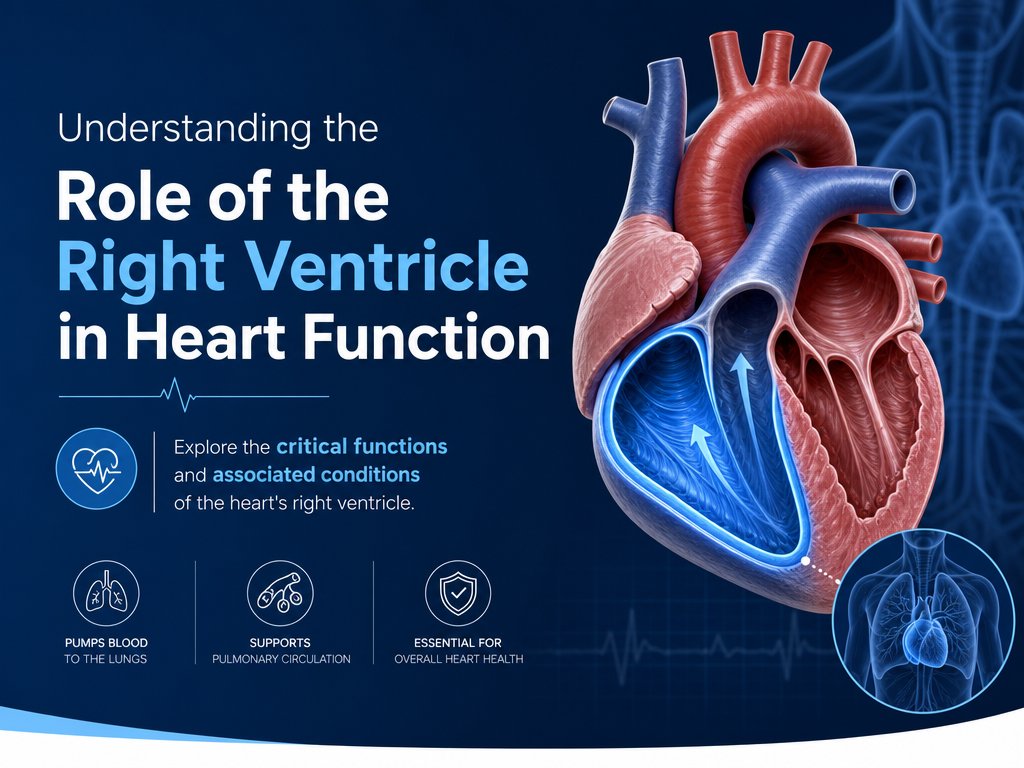
The Right Ventricle: A Vital Part of the Heart
The right ventricle is crucial in the circulatory system, pumping oxygen-poor blood to the lungs. As a heart chamber, it sits below the right atrium and opposite the left ventricle. Its role ensures the separation of oxygen-rich and oxygen-poor blood, vital for delivering adequate oxygen to the body’s organs and tissues.
Functioning of the Right Ventricle
Deoxygenated blood enters the right atrium, moves through the tricuspid valve into the right ventricle, and is pumped through the pulmonary valve, traveling via the pulmonary artery to the lungs. There, the blood is oxygenated as the lungs expel carbon dioxide, a process essential for life.
Right Side Heart Conditions
Right side heart failure, also known as congestive heart failure, occurs when this part can’t pump blood effectively, leading to congestion. Symptoms include leg swelling, fatigue, and breathing difficulties.
Rare and Congenital Conditions
Arrhythmogenic right ventricular dysplasia is a genetic disorder where the right ventricle’s muscle is replaced by fat and scar tissue, which can cause rapid heartbeats and increase sudden cardiac arrest risk. The double outlet right ventricle is a congenital defect where the aorta incorrectly emerges from the right ventricle instead of the left. Surgical correction generally prevents complications. Early diagnosis and intervention are key in managing these conditions effectively.