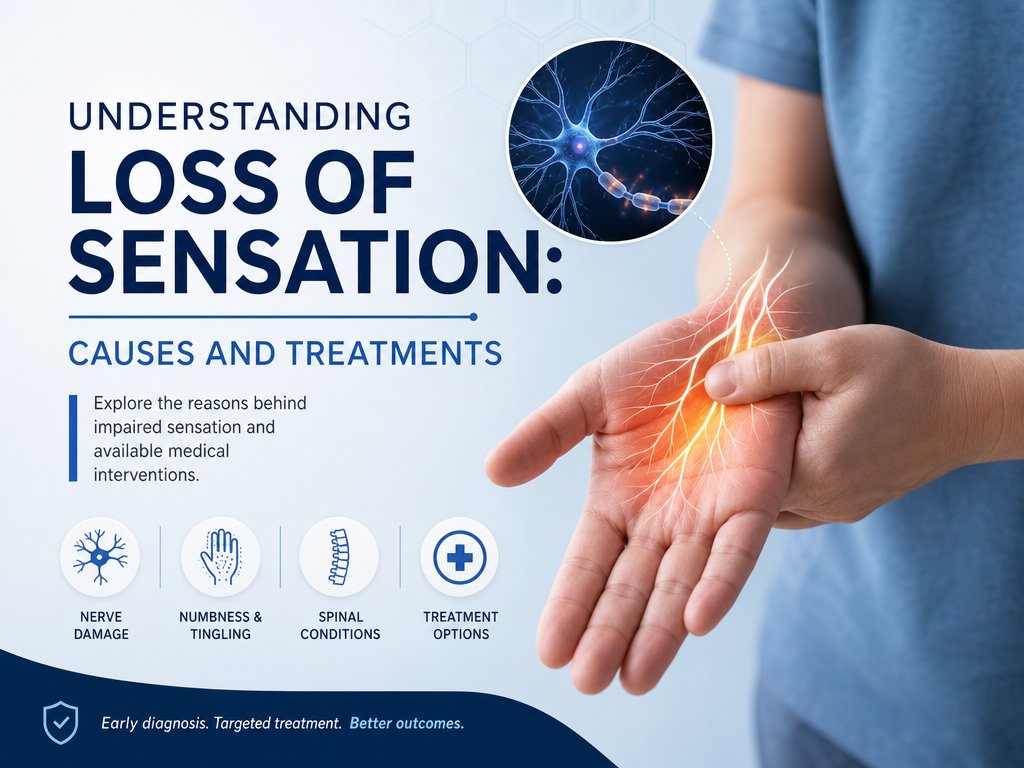
The Importance of Sensation in Everyday Life
Our sense of touch is vital, helping us react swiftly to hot objects and navigate changes in the ground surface. These physical interactions with the environment are known as sensations. The sudden loss of this ability, particularly in the hands or feet, is termed impaired sensation. This condition can manifest in various ways, ranging from the total absence of feeling to the development of unusual sensations.
Understanding Impaired Sensation
Impaired sensation can contribute to increased risks of injury and issues with maintaining balance. It might develop temporarily following an injury or be linked to chronic conditions such as diabetes. The sudden onset of impaired sensation might indicate a medical emergency, potentially signaling a stroke, and should be addressed with urgency.
Common Causes
This condition could result from several causes, including:
- Temporary nerve compression, such as the familiar numbness felt after crossing legs for an extended period.
- Chronic illnesses like diabetes, which often lead to a form of nerve damage known as neuropathy.
- Other neurological conditions affecting the nervous system.
Recognizing Symptoms and Seeking Help
If you experience worsening numbness, frequent falls, or the development of new unusual sensations, it’s crucial to contact a healthcare provider. Any sudden loss of sensation should trigger immediate medical attention, as it might be the precursor to more serious issues.
Medical Evaluation
Healthcare providers assess impaired sensation using a comprehensive approach. This usually involves several steps, starting with a detailed questionnaire about symptoms and continuing with physical exams, such as testing touch sensitivity. Based on the results of initial assessments, additional diagnostic tests may be recommended to pinpoint the underlying cause.
Treatment Options
Treatment strategies are tailored to address the root cause of the impaired sensation. For example, diabetic neuropathy can be managed by implementing better blood sugar control and diligent foot care practices. In contrast, conditions arising from pinched nerves might require surgical intervention to alleviate pressure and restore nerve function.
Managing Symptoms
Pain relief medication might be prescribed to manage abnormal sensations associated with the condition. Regular follow-ups and personalized care plans are crucial for effectively managing chronic conditions that contribute to impaired sensation.
Conclusion
Impaired sensation results from various potential causes and can vary widely in severity. Tailored treatments are crucial, particularly for sudden changes that may indicate a stroke. It is essential to always prioritize seeking medical consultation for any signs of impaired sensation to prevent potential complications.
Immediate Care for Severe Cases
If there is a sudden loss of sensation, which could be indicative of a stroke, it is critical to seek immediate emergency medical care to address the potential life-threatening condition effectively.