Introduction to Prednisone and Its Uses
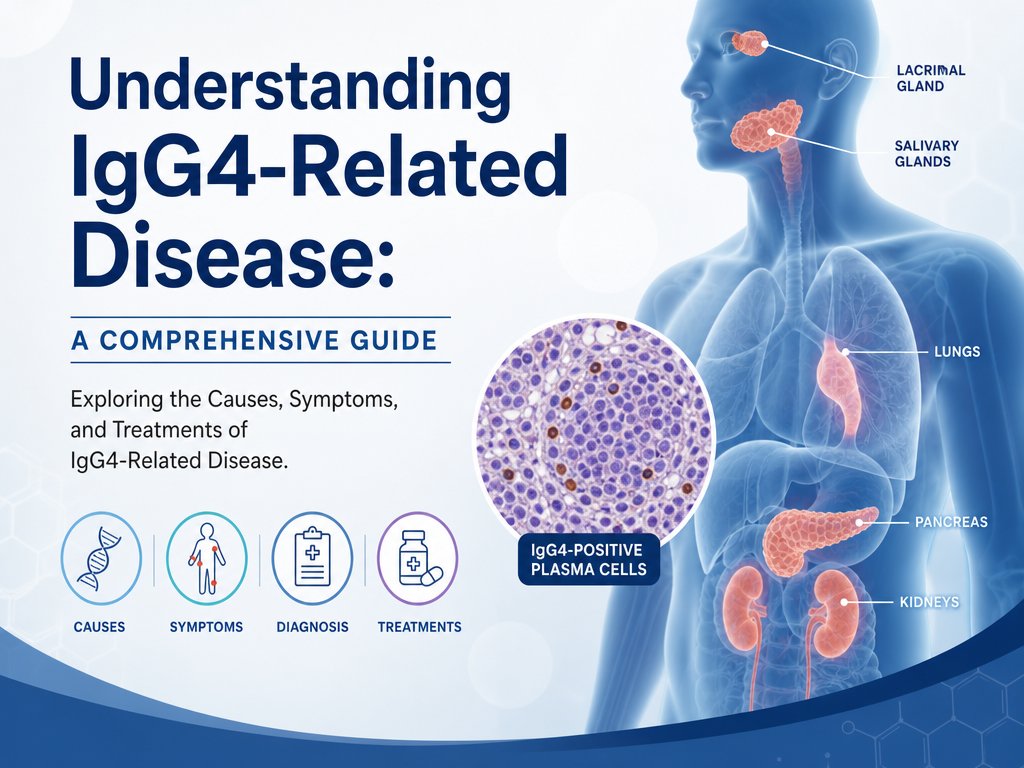
Prednisone is a synthetic steroid that closely resembles cortisol, a hormone naturally produced in the adrenal glands of the human body. It acts as an immunosuppressant and an anti-inflammatory agent, making it highly effective for treating various conditions such as autoimmune disorders, allergies, and chronic illnesses involving inflammation. These conditions often include rheumatoid arthritis, lupus, and inflammatory bowel disease. In the context of allergies, prednisone is often prescribed to reduce severe allergic reactions that do not respond well to other forms of treatment.
Understanding Withdrawals
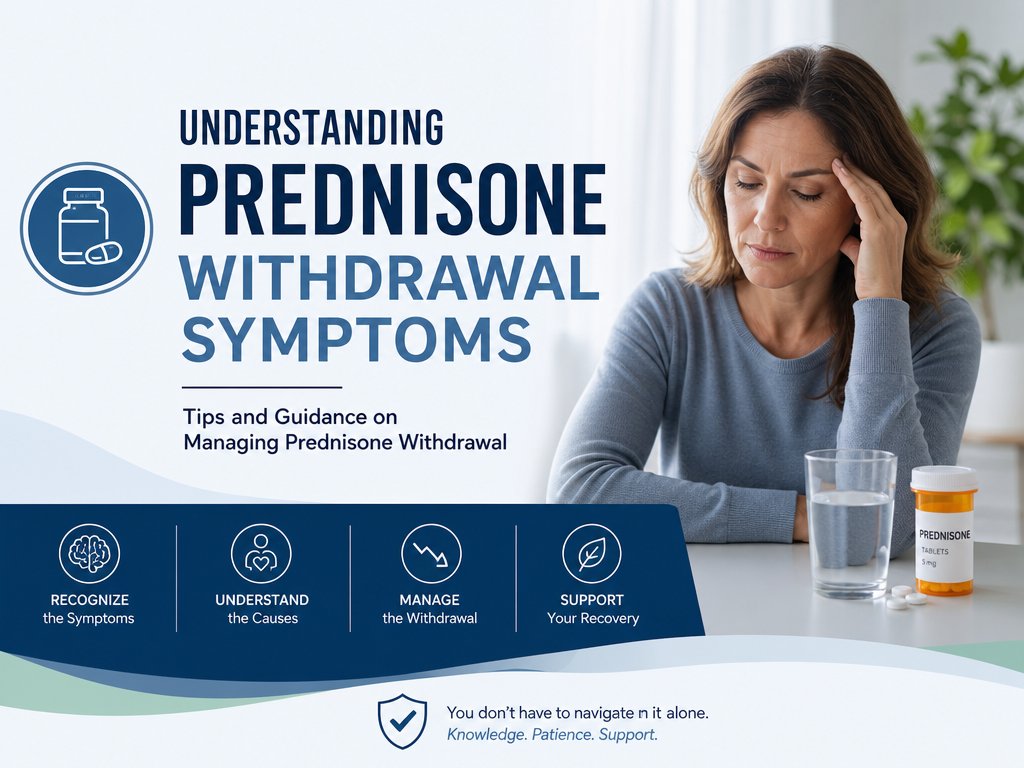
Prednisone withdrawal can occur when the medication is stopped suddenly or the dose is reduced too quickly. This can happen even after relatively short-term use. It’s essential to consult with a healthcare provider before altering your medication regimen to avoid unnecessary complications. Whether it’s a minor reduction in dose or complete cessation of use, the body can exhibit withdrawal symptoms that can be both physically and emotionally taxing for the individual.
Why Withdrawal Happens
When you consume prednisone for extended periods, your body adapts by using it as a replacement for cortisol. As a result, natural cortisol production decreases. Abruptly stopping prednisone means the body can’t produce adequate cortisol immediately, leading to withdrawal symptoms. The body’s dependence on external steroids creates a challenge as adrenal glands take time to adjust and resume normal hormone production levels. This period of adjustment is crucial and can significantly impact an individual’s experience when tapering off prednisone.
Symptoms to Watch For
While withdrawal from prednisone is not considered addictive in the traditional sense, it does disrupt the body’s physical functions. Withdrawal symptoms vary widely based on the duration and dosage of the treatment and may include fatigue, body aches, lightheadedness, or low blood pressure. These symptoms can persist and vary in intensity, with some individuals experiencing additional issues such as irritability or mood swings. Symptoms can linger from weeks to over a year, depending on individual factors such as the length of time prednisone was used and the specific tapering protocol.
Managing Withdrawal Symptoms
Your healthcare provider will usually recommend gradually tapering off prednisone to minimize withdrawal effects. This process involves slowly decreasing the dose to allow your adrenal glands time to resume natural cortisol production. Tapering schedules can vary greatly between individuals and generally take a month or longer, depending on individual treatment plans and response rates. In some cases, a very slow tapering process is necessary to avoid the exacerbation of underlying medical conditions that prednisone was managing.
Boosting Cortisol Production
To assist your body’s adjustment and enhance natural cortisol production, you should diligently follow these guidelines:
– Follow your healthcare provider’s tapering schedule rigorously, as abrupt changes can lead to significant side effects.
– Monitor for new or worsening withdrawal symptoms and seek medical advice if you encounter any issues.
– Engage in stress-reducing activities, such as meditation or gentle yoga, to help the body cope with physiological changes.
– Maintain a balanced diet rich in nutrients to support overall health and hormone balance.
– Ensure adequate rest to allow your body to recover and adapt better during the transition period.
Conclusion
Following professional healthcare advice when taking or terminating prednisone is paramount to minimize withdrawal risks. A well-structured tapering plan tailored to individual needs ensures the body can gradually return to its natural hormone production equilibrium. Monitoring symptoms and adjusting the tapering schedule as needed with the guidance of a healthcare professional ensures a smoother transition and supports overall well-being during the period of adjustment.