The Impact of Tattoos on Keloid Formation
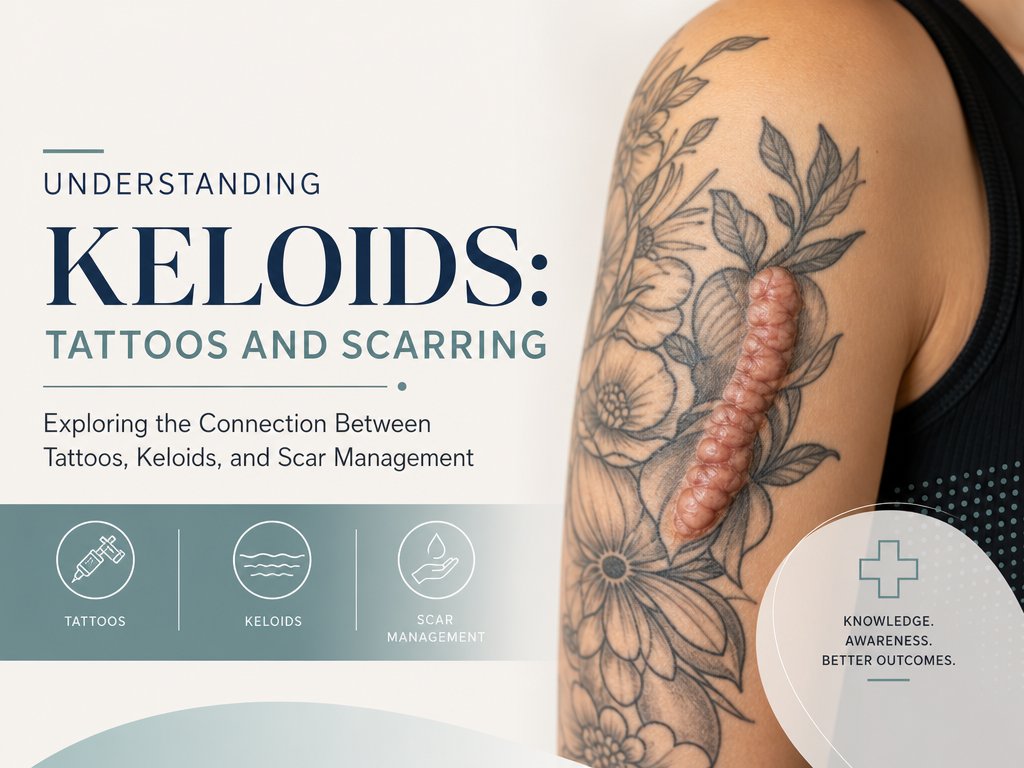
Tattoos have gained extensive popularity as a beautiful and meaningful means of self-expression and artistic storytelling. However, they can present challenges for individuals predisposed to keloid formation. These raised, thickened scars occur when an excess of collagen and connective tissue cells rush to repair skin injuries, which can lead to complications both during and after the tattooing process if not properly managed or anticipated.
Keloids and Tattoos: Essential Insights
Keloids typically manifest as firm, smooth, raised lesions that extend beyond the original site of the skin injury. They differ from hypertrophic scars, which remain confined within the boundary of the wound and often flatten and fade over time. Distinguishing between these different types of scars is crucial for anyone considering skin modification procedures like tattooing, as the risk factors for developing keloids can vary significantly.
If there is concern about keloid formation when contemplating getting a tattoo, it’s wise to discuss potential risks and prevention strategies with a reputable and experienced tattoo artist. Conducting a small patch test with a tiny amount of ink on a less visible area of the skin can help determine one’s propensity for keloid formation, committing minimally. If any adverse reactions occur, they will be limited and easier to manage than reactions to a full tattoo piece.
Strategies for Tattooing with Keloids
Scar tattooing is a specialized practice involving the careful inking of areas with existing scar tissue, including keloids. While potentially viable, it requires working with skilled artists who possess an understanding of how scar tissue might react to new trauma. Allowing at least a year to pass before tattooing over a keloid ensures the scar has had time to heal properly. This reduces the likelihood of exacerbating scar development or inadvertently creating new injuries during the tattooing process.
Minimizing Scar Formation
There are various proactive strategies to prevent and minimize scar formation after obtaining a tattoo. Using pressure garments and silicone sheets has proven effective in reducing the development of scar tissue. Consistently applying silicone-based products can help manage collagen buildup and decrease the likelihood of bacterial complications that might spur keloid growth.
Moreover, tattoo artists often advise protective steps such as covering the tattoo with clothing or specialized bandages to shield it from sun exposure. Ultraviolet rays can intensify scarring, and thus, minimizing exposure to the sun is highly beneficial for maintaining optimal skin and scar health.
Treatment and Management of Tattoo-Related Keloids
For individuals who observe keloids forming in response to tattoos, consulting a dermatologist who has experience in treating keloids offers a diverse range of treatment options. Treatments such as corticosteroid injections, cryotherapy, and silicone sheets might not permanently remove scars but can significantly reduce their size and prominence, thereby decreasing the likelihood of further growth.
The Cost and Insurance Considerations
The financial implications of treating keloids can be substantial. Many insurance providers classify keloid removals as cosmetic procedures, potentially excluding them from standard insurance policy coverage. Nonetheless, if a keloid significantly interferes with normal functions or movement, some insurers might cover a portion of the treatment costs.
It’s important to note that keloid removal techniques such as laser therapy can affect tattoo ink, potentially causing it to appear blurry, discolored, or faded. Therefore, thoroughly evaluating the benefits and drawbacks of each treatment method with a healthcare provider is crucial for making an informed decision in this complex scenario.
The Nature of Keloids
Although keloids are not medically harmful in themselves, they can have a noticeable impact on an individual’s appearance and might restrict physical movement, depending on their location. If a keloid becomes troublesome or aesthetically concerning, consulting with a dermatologist can provide pathways for effective management tailored to your specific situation. This ensures the best approach for handling such challenges effectively and compassionately.