Introduction to Targeted Therapy
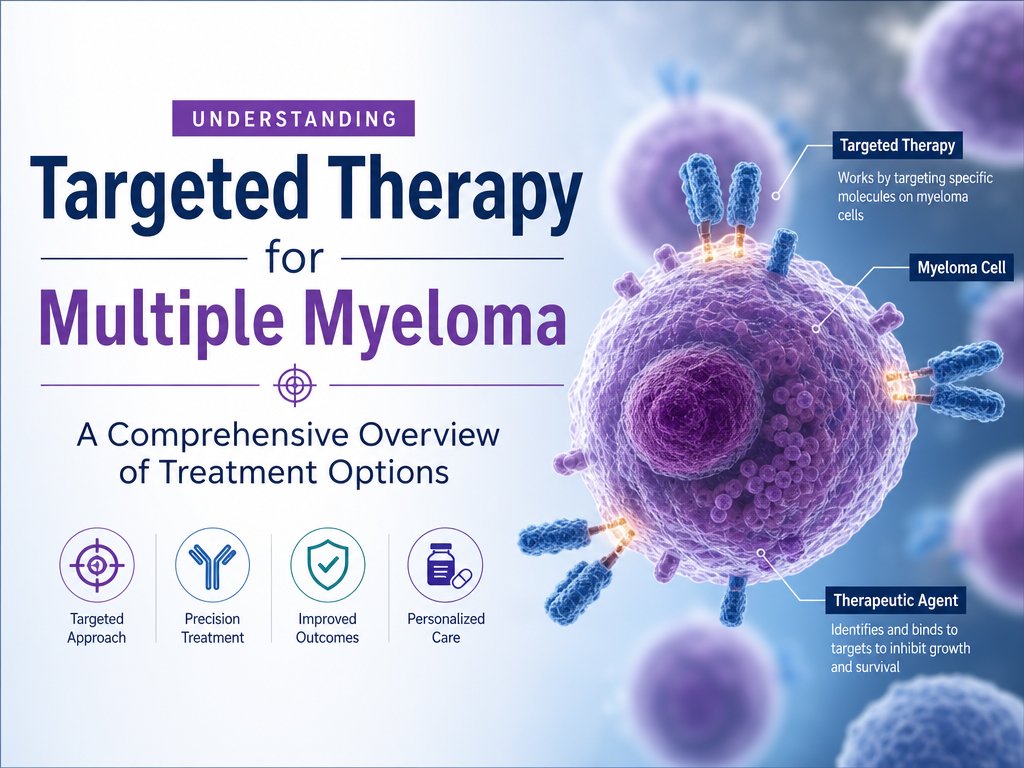
Targeted therapy represents a cutting-edge approach to cancer treatment that aims to precisely target specific molecular indicators involved in the growth and progression of cancer cells. Unlike traditional chemotherapy, which can affect both cancerous and healthy cells alike, targeted therapies strive to minimize damage to healthy cells, thereby reducing the occurrence of adverse reactions. Consequently, targeted therapy offers a potentially more tolerable and efficient treatment option for patients, improving their overall experience and outcomes.
The Role of Targeted Therapy in Treating Multiple Myeloma
In the context of multiple myeloma treatment, targeted therapy plays an indispensable role. It usually forms part of a comprehensive treatment strategy, often integrated with chemotherapy, radiation, and stem cell transplants. The combination of these varied treatment modalities is individually tailored to the specific health profile of the patient and their unique stage of myeloma. By leveraging multiple treatment approaches, the overall efficacy of the therapy is heightened, contributing to better management of the disease’s progression and potentially improving survival rates.
How Targeted Therapy is Administered
The administration of targeted therapy can differ significantly depending on the specific drug. Some targeted therapy medications are available in oral form, thus providing patients with the convenience of undergoing treatment at home, as long as they adhere to prescribed dosing and storage guidelines. Conversely, other targeted therapy medications require administration through intravenous means, necessitating visits to healthcare facilities where professional oversight can ensure proper management and swift intervention should immediate side effects manifest.
Financial Considerations
The financial implications of targeted therapies can be substantial, with prominent examples being the drug Ninlaro, costing approximately $111,000 annually, and Darzalex, which can reach up to $120,000 per year. Patients should actively consult with their insurance providers to gain a thorough understanding of coverage options and assess potential out-of-pocket expenses. Additionally, exploring patient assistance programs designed to offer financial aid can provide significant support to those facing high treatment costs.
Side Effects of Targeted Therapy
The side effects associated with targeted therapy tend to differ from those observed with traditional chemotherapy. While severe nausea and hair loss are generally not common, patients may experience fatigue, diarrhea, or skin rashes as potential side effects. These reactions usually depend on the specific drug being used and its dosage. To effectively manage these side effects, continuous communication between patients and healthcare providers is essential, allowing for timely interventions and adjustments to the treatment regimen as needed.
Monitoring and Follow-Up
Regular monitoring and diligent follow-up during the course of targeted therapy are critical to evaluate its effectiveness and quickly detect any complications. Typical follow-up appointments include thorough examinations and a variety of tests such as blood work and imaging studies. These assessments enable healthcare providers to make necessary adjustments to the treatment plan, ensuring that therapy remains both safe and effective for the patient.
Challenges and Future Directions
While targeted therapy has undeniably led to significant advances in cancer treatment, several challenges persist. One notable issue is the potential for cancer cells to develop resistance to such therapies over time, leading to a necessity for treatment plan modifications and exploration of alternative drugs or drug combinations. Despite these challenges, targeted therapy has continued to improve both survival rates and the quality of life for many patients. Ongoing research is dedicated to refining these treatments further, aiming to enhance their effectiveness and make them more accessible to a broader patient population. Patients are strongly encouraged to engage in open discussions with their healthcare providers to gain comprehensive insights into the array of treatment options available, including the potential benefits and side effects, thereby empowering them to make well-informed decisions regarding their care.