What is Oscillopsia?
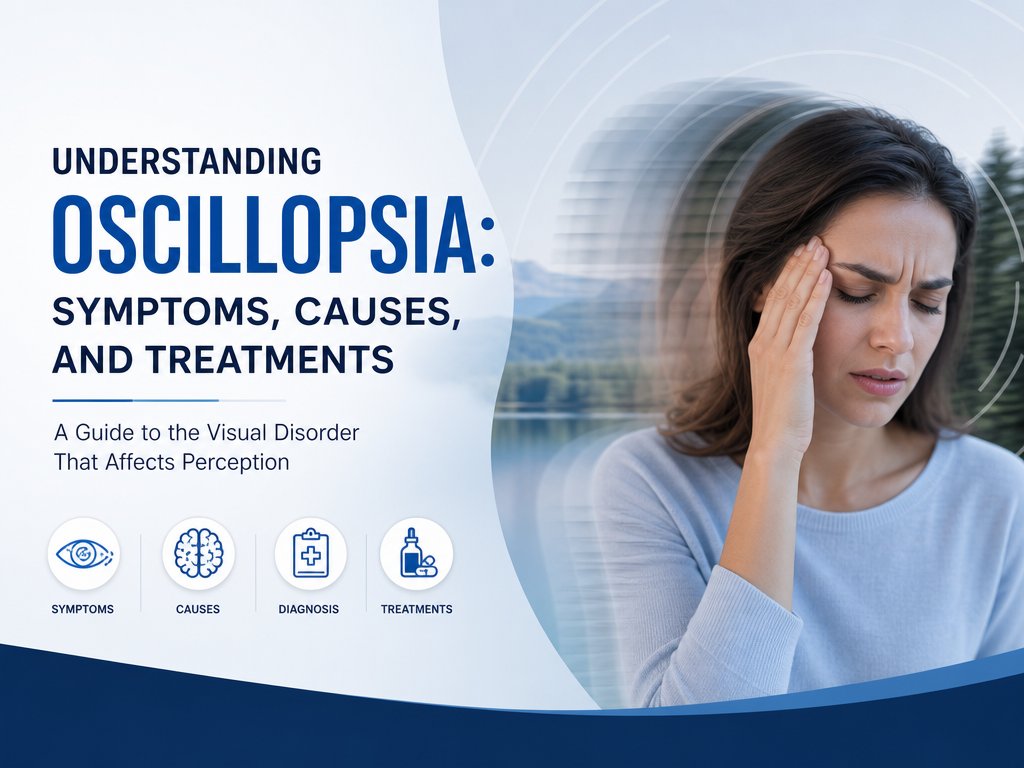
Oscillopsia is a vision disorder where still objects seem like they are moving or shaking. This sensation is often due to issues with the eyes’ alignment or systems that control balance. Individuals with oscillopsia experience a false impression that their surroundings are in motion, even when they are stationary. This condition can lead to experiences of jumpy or blurred vision, along with symptoms like nausea and fatigue. People experiencing oscillopsia might feel as though they are on a shaky platform or are unable to keep their visual field stable, making it challenging to focus on tasks or navigate their surroundings safely.
Recognizing the Symptoms
The primary symptom of oscillopsia is the sensation of jumping vision. Objects that are normally still, like a stop sign or a tree, appear to vibrate. Many people report that these symptoms often occur during activities like walking, running, or driving, but subside when still. Some individuals experience these effects even when simply seated or having their head positioned in certain ways. Flickering lights, crowded environments, or rapid head movement may exacerbate these symptoms, leading to increased disorientation.
Detailed Symptoms
Besides visual disturbances, oscillopsia can cause balance issues due to the false visual motion. Symptoms can vary depending on specific circumstances, such as head positioning or movement, and can significantly impact daily life. Furthermore, individuals with this condition may report headaches, dizziness, or a sense of disorientation, especially in visually complex environments.
Causes and Contributing Factors
Oscillopsia often results from nervous system disorders that damage the brain or inner ear regions responsible for eye movement and balance. A common cause is the loss of the vestibulo-ocular reflex (VOR), which aligns eye and head movement. Without proper VOR function, the eyes fail to move in harmony with head motions, causing perceived motion of stationary objects. Certain medications or nutritional deficiencies might also contribute to its onset, as they can affect neurological function.
Another potential cause is nystagmus—a condition where the eyes move uncontrollably. This can affect vision, coordination, depth perception, and balance. Nystagmus often occurs with conditions such as brain inflammation, head injuries, or diseases like multiple sclerosis. Other contributing factors can include labyrinthitis, Meniere’s disease, or vestibular migraine, all of which might impair balance and eye coordination.
Diagnosis and Evaluation
To diagnose oscillopsia, doctors start by collecting medical history and symptom details. Eye exams help assess alignment issues, while neurological exams may explore disorders like multiple sclerosis. Imaging tests like CT scans and MRIs may also be used to investigate further. These tests are crucial in ruling out other causes and formulating an accurate diagnosis. Blood tests might also be conducted to check for infections or systemic conditions affecting neurological health.
Treatment Options
Improvement of oscillopsia often involves addressing the root cause. Treatments can include medications or lifestyle adjustments to manage symptoms. Special glasses or contact lenses may help minimize visual distortions, and there are also options like botulinum toxin injections to control eye movements, although these may have temporary effects and side effects. Vestibular rehabilitation therapy can be instrumental in helping patients regain balance and adapt to changes in perception.
Exercise and Adaptation
Specific exercises can aid individuals in adapting or improving their vision. Physical therapists or doctors often recommend personalized exercises as part of a therapeutic regime. Rehabilitation exercises generally focus on improving the stability of gaze and strengthening balance through targeted motions.
Overall, managing oscillopsia involves a combination of medical treatments and adaptive strategies to improve life quality and alleviate symptoms. Patients are encouraged to maintain a healthy lifestyle to support overall neurological health, including a balanced diet and regular physical activity, which can aid in reducing symptom severity. Additionally, support groups and counseling might be beneficial, offering emotional support and practical advice from others experiencing the same condition.