Understanding Shingles and Its Vaccine
Shingles is a viral infection known for causing a severely painful rash. It is triggered by the varicella-zoster virus, the same virus responsible for chickenpox. After recovering from chickenpox, this virus remains dormant within the body’s nerve tissues and can reactivate years, or even decades, later as shingles, particularly when the immune system becomes compromised or declines due to aging or other factors.
Introduction to Shingrix
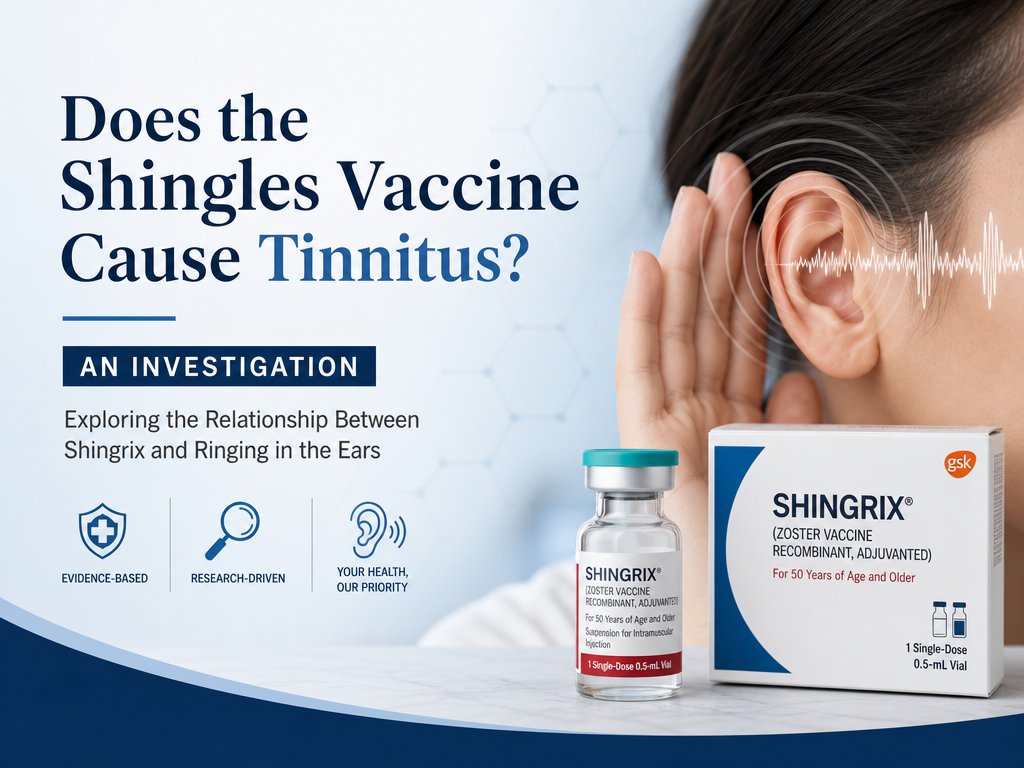
The Centers for Disease Control and Prevention (CDC) recommends vaccination with Shingrix for those aged 50 years and older, as well as individuals 19 and above with compromised immune systems. Shingrix, which gained approval by the Food and Drug Administration (FDA) in 2017, serves as a replacement for the previous Zostavax vaccine. Zostavax is no longer used in the United States due to its lower efficacy and safety concerns.
Concerns About Tinnitus
Some individuals express reluctance to receive Shingrix over concerns about tinnitus, a condition where individuals hear ringing or buzzing in their ears. However, no scientific research substantiates a direct link between Shingrix and tinnitus or hearing loss. Unlike Zostavax, Shingrix does not contain a live virus, which significantly reduces potential risks and makes it a safer option overall.
Examining Zostavax
Zostavax, which has been discontinued, was implicated in causing severe side effects such as hearing loss and tinnitus in some individuals, resulting in lawsuits against its manufacturer. Nonetheless, scientific studies have not provided concrete evidence to support the claim that Zostavax is directly responsible for causing tinnitus or hearing loss. It is important for individuals to rely on peer-reviewed research when understanding vaccine risks.
Potential Side Effects of Shingles Vaccines
Both Shingrix and Zostavax have side effects associated with them, though their differing components result in varied reactions from recipients. The side effects of Shingrix are generally mild to moderate and typically resolve on their own within a span of two to three days following vaccination. This contrasts with Zostavax, which had more severe reactions documented in certain cases.
FDA’s Stance on Shingrix
In 2021, the FDA noted a potential association between Shingrix and Guillain-Barré syndrome (GBS), a rare autoimmune disorder that affects the nerves. However, the evidence linking Shingrix to GBS is deemed insufficient to establish a causal relationship, and health authorities continue to consider the vaccine safe and effective for preventing shingles and its complications.
Understanding Shingles and Public Health Initiatives
Shingles can lead to long-term complications, such as postherpetic neuralgia, which can cause severe pain that persists long after the rash disappears. Public health initiatives aim to educate communities about the significance of vaccination in preventing these potentially debilitating outcomes. Healthcare providers play a vital role in disseminating accurate information and urging eligible individuals to consider vaccination, thereby reducing the overall incidence of shingles in the population. As part of these efforts, educational campaigns stress the importance of early intervention and awareness in combating the effects of shingles.
Who Should Avoid the Shingles Vaccine?
Certain individuals with particular health conditions should avoid receiving the shingles vaccine. It’s crucial to inform healthcare providers about congenital or any past health issues before proceeding with vaccinations. For individuals who test negative for the varicella-zoster virus, the recommendation is to receive the chickenpox vaccine instead of the shingles vaccine. This guidance ensures optimal protection and safety for each patient based on their health history and current status.
Conclusion: Shingrix’s Safety and Effectiveness
In conclusion, Shingrix is a proven safe and effective vaccine that offers vital protection against shingles. Although it can cause minor side effects, these side effects are typically transient and resolve quickly. There’s no scientific confirmation to support claims that it causes tinnitus or other severe auditory issues.
Despite adverse experiences reported by users of Zostavax, such claims lack substantial scientific validation. It is essential for individuals to consult healthcare professionals regarding any concerns about vaccines and to promptly report any adverse reactions through the Vaccine Adverse Event Reporting System (VAERS). Engaging with medical experts and utilizing reporting systems helps ensure vaccine safety and effectiveness for all populations.