Introduction to Spiriva
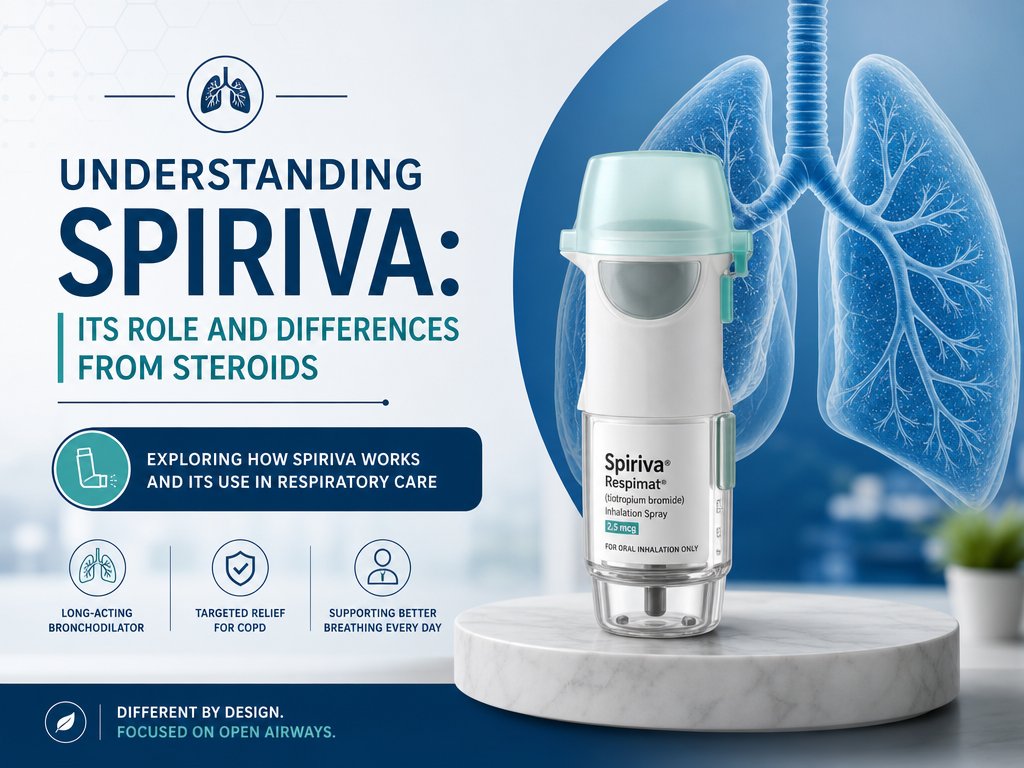
Spiriva (tiotropium) is a medication specifically designed to enhance breathing in individuals suffering from chronic respiratory conditions, such as asthma and Chronic Obstructive Pulmonary Disease (COPD). Even though it is sometimes confused with corticosteroids due to its role in respiratory care, Spiriva operates quite differently. Unlike corticosteroids, Spiriva functions as a long-acting muscarinic antagonist (LAMA), providing bronchodilation by targeting the airways directly.
How Spiriva Differs From Steroids
While corticosteroids work through modulating the immune system to reduce inflammation in the lungs, Spiriva directly targets the airways’ physical structures. It achieves this effect by blocking specific acetylcholine receptors, which are chemicals that cause the airway muscles to constrict. By preventing these muscles from tightening, Spiriva helps keep the airways relaxed and open throughout the day, facilitating easier breathing.
Usage and Effectiveness
Spiriva is a maintenance medication and not intended to be used as a rescue inhaler. It requires daily administration to achieve optimal effectiveness in managing symptoms. Although some relief may be felt relatively promptly after starting the medication, several weeks of consistent use are typically required to experience its full benefits.
Complementary Role With Corticosteroids
Despite having distinct functions, Spiriva and inhaled corticosteroids are both pivotal components in managing long-term lung health. Healthcare providers often recommend their combined use to better control the symptoms of chronic respiratory diseases, offering a more comprehensive approach to treatment.
Safety and Side Effects
One of Spiriva’s most common side effects is dry mouth. Unlike corticosteroids, it does not carry risks such as osteoporosis, adrenal suppression, or other systemic side effects often associated with steroid use. The safety and efficacy of Spiriva have been supported by numerous clinical studies, including the well-regarded UPLIFT trial, confirming its suitability for long-term use in various populations with respiratory conditions.
Precautions and Considerations
Spiriva is contraindicated for individuals who exhibit known hypersensitivity to tiotropium or any related compounds. It’s essential to consult a healthcare professional to determine whether Spiriva aligns with your specific treatment needs and to assess any potential risks involved in its use.
Disclaimer: This article serves as a general informational guide and should not replace professional medical advice. Always consult a qualified healthcare professional before making any decisions regarding medication. For full information on Spiriva, refer to official medical sources and guidelines to ensure safe and effective treatment.