Introduction to Osteonecrosis of the Jaw (ONJ)
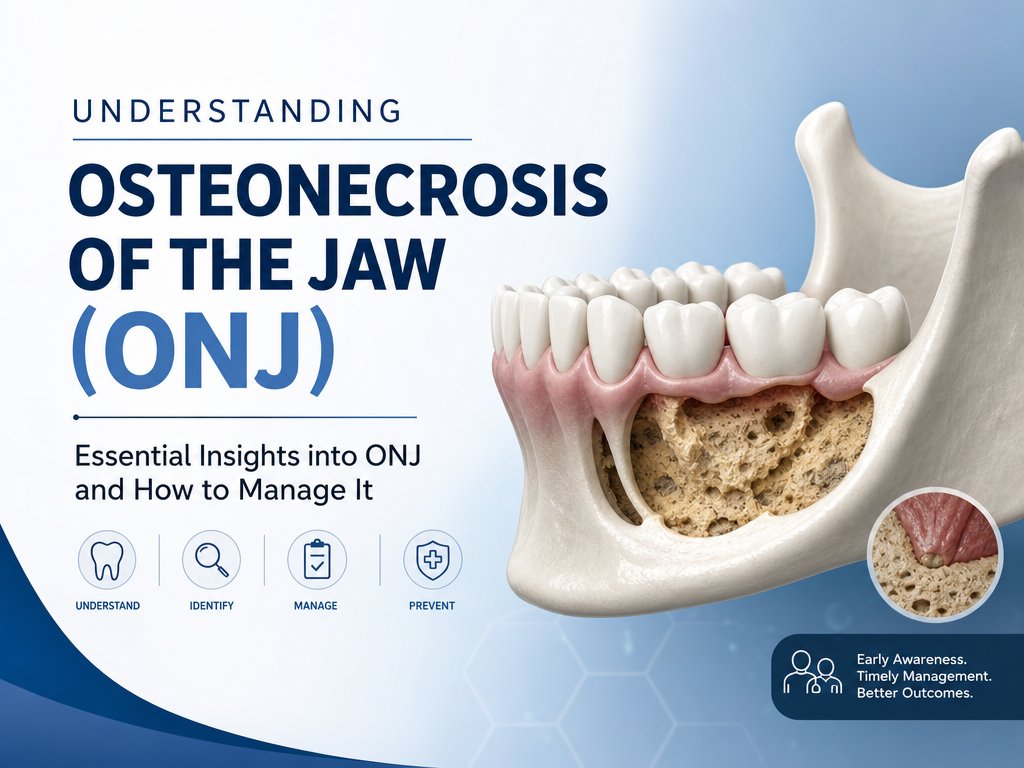
Osteonecrosis of the jaw (ONJ) is a severe dental condition where areas of the jawbone become exposed through the gums and fail to heal. Although it is a rare condition, it can lead to serious health issues if not addressed promptly. ONJ often arises after oral surgical procedures, such as tooth extractions, or due to prolonged use of specific medications. The importance of understanding ONJ lies in its potential to impact the quality of life, causing both pain and functional impairment if left untreated.
Causes and Risk Factors
The primary cause of ONJ is inadequate or impaired healing after undergoing oral surgery. Additionally, other contributing factors include radiation therapy to the head and neck area, certain medications, particularly bisphosphonates used for treating osteoporosis and some cancers, and bone infections. Occasionally, the presence of the herpes zoster virus, which results in oral shingles, might be linked to the development of ONJ.
People who are being treated with bisphosphonates, especially those who receive high intravenous doses for conditions such as cancer or osteoporosis, have a heightened risk of developing ONJ. Additional risk factors include recent oral surgeries, pre-existing oral health issues, and chronic use of glucocorticoids or antiangiogenic drugs. Lifestyle habits such as smoking and excessive alcohol consumption are also considered potential risk factors, as they might impair healing processes and exacerbate existing oral conditions.
Symptoms and Diagnosis
Common symptoms of ONJ include persistent pain, swelling in the mouth, and exposed bone. Patients may also experience loose teeth, drainage from the gums, and noticeable numbness or heaviness in the jaw. To confirm a diagnosis of ONJ, symptoms should persist for at least eight weeks and are typically supported by imaging studies, such as X-rays or scans, along with a comprehensive medical and dental examination by a qualified professional.
Stages of ONJ
Health professionals stage ONJ to tailor the treatment approach effectively. These stages vary based on the extent of the bone exposure and the presence of infection. Early intervention and treatment can resolve many ONJ cases without the need for invasive surgical procedures. Understanding the staging is crucial, as it helps in determining the most appropriate therapeutic approach, potentially preserving healthy bone tissue and preventing further complications.
Treatment and Prevention
The treatment of ONJ primarily aims to manage infections and reduce patient discomfort. Topical medications, such as antimicrobial mouth rinses, are commonly prescribed. For advanced cases, teriparatide may be considered to aid in promoting new bone growth. In more severe scenarios, surgical intervention might be necessary to remove necrotic bone tissue. It is vital that treatment strategies are customized to the patient’s specific situation, as individual responses to therapy can vary widely.
Preventive measures are crucial to reducing the risk of developing ONJ, especially for individuals at higher risk. Maintaining routine dental hygiene practices, including regular brushing and flossing, along with scheduling regular checkups with dental professionals, can aid in prevention. It is essential for individuals who have undergone oral surgery or are prescribed certain medications to remain vigilant for any early signs of ONJ and promptly seek the advice of healthcare professionals. Education about the potential risks associated with certain treatments and surgical procedures is fundamental, especially for patients undergoing long-term therapy with drugs like bisphosphonates.
Conclusion
ONJ is a manageable condition provided there is timely intervention and proper care. Regular dental visits and diligent oral hygiene play a fundamental role in lowering risks associated with the disease. If you suspect that you may have symptoms of ONJ or if you belong to a high-risk group, it is imperative to consult a healthcare provider without delay for tailored guidance and preventive strategies. Since each patient’s circumstances differ, developing personalized care plans is highly recommended. These plans should consider not only the physical aspects but also emotional and mental well-being, ultimately fostering a holistic approach to healing and recovery.
To foster a supportive environment, individuals can join communities like Bezzy, where they can connect with others managing chronic conditions. Online forums and patient advocacy resources provide avenues to share experiences and insights, facilitating emotional support and practical advice. Additionally, publications such as Your Health Magazine offer resources and updates on coping with health challenges like osteonecrosis of the jaw. By staying informed and connected, individuals can better navigate the complexities of living with ONJ and other similar conditions.