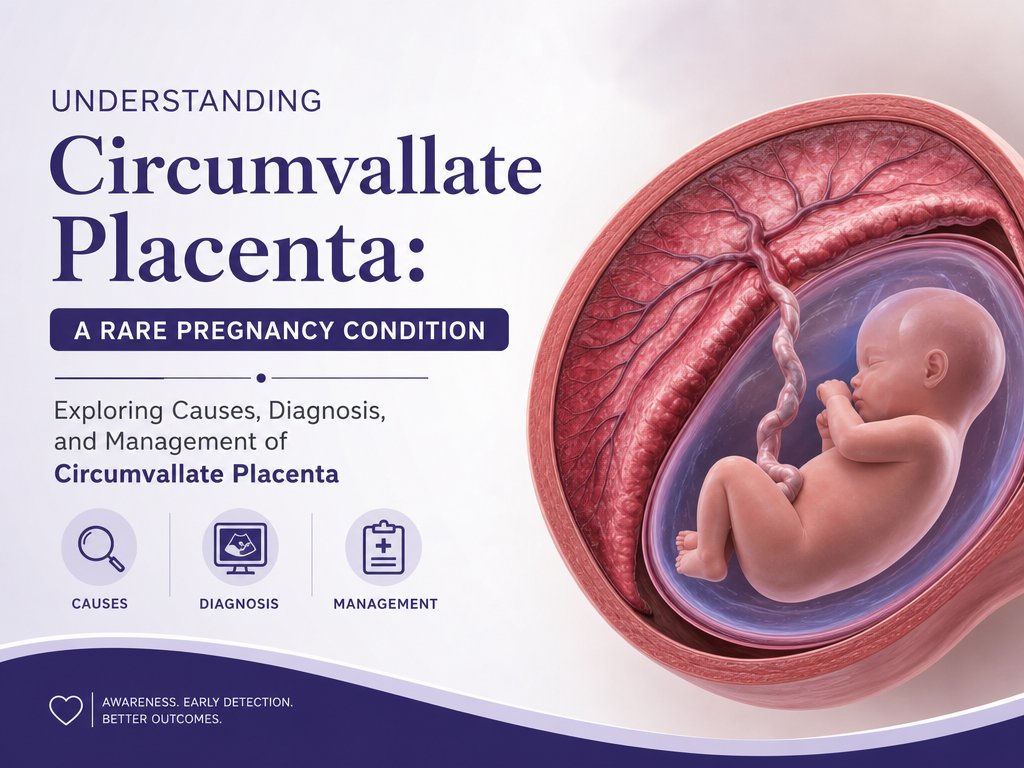
Overview of Circumvallate Placenta
Circumvallate placenta is a condition that involves an abnormal shape of the placenta, which is a critical organ for fetal development. This irregularity can result in the fetus receiving insufficient nutrients and is identified by a smaller-than-expected chorionic plate on the fetal side, leading to the membranes folding back on themselves. The placenta is a vital organ that supports the fetus throughout pregnancy by providing oxygen and nutrients while removing waste products. It essentially acts as a lifeline between the mother and her developing baby, ensuring that the baby gets everything needed for proper growth and development.
Typically detected around the 20th week of pregnancy via ultrasound, a circumvallate placenta is challenging to diagnose during pregnancy as symptoms are not easily identifiable and is often only discovered post-delivery when the placenta is examined. This condition is very rare, occurring in approximately 1 to 7 percent of pregnancies, and presents no obvious symptoms during gestation. Pregnant women carrying a circumvallate placenta might not experience any noticeable differences compared to those with a normally shaped placenta, making regular prenatal care and ultrasound examinations key components for potential early detection.
Causes and Complications
Though the exact cause of circumvallate placenta is unknown, it has no connection to any specific actions by the mother. It is hypothesized that abnormal placental development during the early stages of pregnancy may be a contributing factor. However, this condition can result in reduced blood and nutrient supply to the fetus, potentially slowing fetal growth. Issues such as irregular uterine blood flow and other unknown factors might also play a role in its formation, highlighting the complexity and unpredictability of placental development.
Potential Pregnancy Complications
The presence of a circumvallate placenta may lead to an increased risk of several pregnancy complications, such as:
- Placental abruption, a condition where the placenta detaches from the uterine wall prematurely
- Premature labor, leading to potential complications for the newborn
- Intrauterine growth restriction (IUGR), limiting the fetus’s development
- Emergency cesarean section (C-section) due to unforeseen complications
Despite the increased risk, many women with this condition may still reach term and have successful vaginal deliveries. Staying informed about potential risks allows expecting mothers to prepare and work closely with their healthcare providers for the best possible outcomes. It is crucial for pregnant women to maintain a strong support system and follow their healthcare provider’s advice to reduce anxiety and promote a healthy pregnancy.
Diagnosis and Monitoring
To monitor the situation more closely, healthcare providers usually conduct frequent ultrasounds and blood tests to ensure the health of both mother and baby. An individualized care plan is crucial for managing potential risks and complications. Regular monitoring can help identify any signs of distress or growth restriction in the fetus, allowing for timely medical interventions if necessary. In addition to ultrasounds, other diagnostic tools like fetal heart rate monitoring or biophysical profiles might also be employed to track fetal health accurately.
Treatment and Management
While no treatments exist to reverse circumvallate placenta, proactive management of associated complications is essential. Recommendations might include bed rest, dietary adjustments, and close monitoring of fetal development to help mitigate risks. Pregnant women may be advised to take nutritional supplements, depending on their specific needs, to support the baby’s growth. The aim is to maintain a healthy pregnancy and extend gestation as safely as possible to avoid preterm birth.
Managing Complications
In cases of placental abruption, IV fluids might be administered to stabilize blood pressure, with severe blood loss possibly necessitating a transfusion. If detected early, amnioinfusion—a procedure to introduce sterile fluid into the amniotic sac—might replace lost amniotic fluid, preventing cord compression and promoting lung development. Physicians closely evaluate these situations to provide targeted treatment that balances both maternal and fetal health needs.
For any situation where the placenta is deteriorating, or the fetus shows distress, emergency interventions such as C-sections may be necessary. The option for early delivery depends on balancing the risks of continued pregnancy against those of premature birth. Medical teams will assess the situation carefully, considering factors like gestational age and the health of both the mother and fetus. Such decisions ensure that both mother and baby receive the most appropriate care tailored to their unique situation.
Final Thoughts
Despite its rarity, circumvallate placenta significantly elevates the risk of certain complications, yet with diligent care and monitoring, many negative outcomes can be minimized. Early detection and attentive management can help ensure better health for both mother and child, affording them the best possible start. Open communication between the patient and healthcare providers is key in navigating the challenges posed by this condition. Expecting mothers should feel empowered to ask questions and express concerns, ensuring they are active participants in their care and informed about their pregnancy journey.