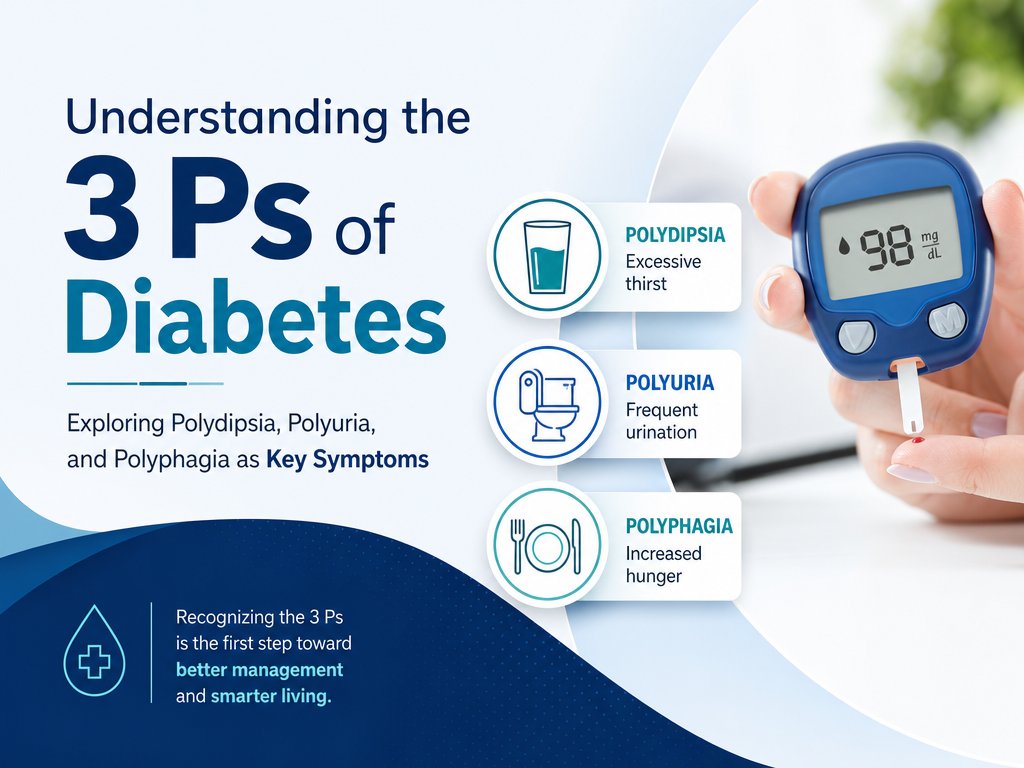
The Essential Symptoms: The 3 Ps of Diabetes
The “three Ps” in the context of diabetes are prominent indicators that often manifest prior to a formal diagnosis. These key symptoms—polydipsia, polyuria, and polyphagia—are directly linked to increases in thirst, urination, and hunger, respectively, serving as critical signals that the body might be struggling to manage blood sugar levels effectively.
Polydipsia: The Urge to Drink
Polydipsia is the medical terminology for experiencing excessive thirst, frequently accompanied by a persistently dry mouth. This symptom arises as a consequence of elevated blood glucose levels, prompting the kidneys to produce more urine as they strive to expel excess glucose from the body, simultaneously triggering intense thirst as the brain demands fluid replacement. This increased fluid intake is the body’s natural response to dehydration caused by frequent urination, acting as a compensatory mechanism to attempt to restore fluid balance.
Polyuria: Frequent Urination
Polyuria is characterized by the production of over three liters of urine daily, which significantly exceeds the typical daily output. This symptom is a direct consequence of the body’s increased efforts to expel surplus glucose. Excessive glucose in the blood drags additional water out of the body, leading to an increase in urine volume. This process also results in increased water filtration by the kidneys, thereby increasing the frequency of urination, and can contribute to feelings of dehydration, despite increased fluid intake, which often accompanies polydipsia.
Polyphagia: Increased Hunger
Polyphagia, or an insatiable feeling of hunger, occurs when glucose fails to enter the cells due to insufficient insulin levels or due to insulin resistance. This lack of energy utilization leads to intensified hunger that persists even after eating, further exacerbating blood glucose levels. The body perceives this energy deficit as a need for more food, driving continued appetite despite adequate food intake, which can contribute to weight gain.
Interconnection and Diagnosis
These symptoms frequently occur in conjunction with one another, particularly in type 1 diabetes, where they typically manifest at a more rapid rate compared to type 2 diabetes. When evaluating a potential diabetes diagnosis, a doctor will consider these symptoms in conjunction with diagnostic blood tests, including fasting blood glucose tests or the A1C test, as the presence of these symptoms can signify elevated blood glucose levels that might indicate diabetes.
The Silent Predecessor: Prediabetes
In situations of prediabetes, glucose levels are elevated but not sufficiently high to confirm a diagnosis of type 2 diabetes. Frequently asymptomatic, this condition can remain undetected until diabetes eventually develops. Early detection can make a significant difference in preventing the progression to type 2 diabetes, emphasizing the importance of regular health screenings among those at risk or experiencing milder symptoms of the three Ps.
For those encountering any of the “three Ps,” consulting a healthcare provider is crucial for discussing potential risks and necessary diagnostic tests. Early intervention and lifestyle changes, such as enhancing physical activity, adjusting dietary habits, and maintaining a healthy weight, can help in reversing the progression from prediabetes to diabetes.
Understanding the Causes
Polydipsia and polyuria are intrinsically linked as they stem from the body’s attempt to manage high blood sugar by expelling glucose through urine, which, in turn, triggers the body to demand more beverages to compensate for fluid loss. In contrast, polyphagia results from the body’s inability to process glucose for energy, leading to persistent hunger. Recognizing these symptoms early can be crucial to prompt timely medical consultation and intervention, potentially preventing the long-term complications of unmanaged diabetes.
If you notice these significant symptoms or have concerns about your glucose levels, it is advisable to seek medical advice promptly to rule out diabetes or to begin an appropriate management plan early.