Introduction to Oncology Drugs
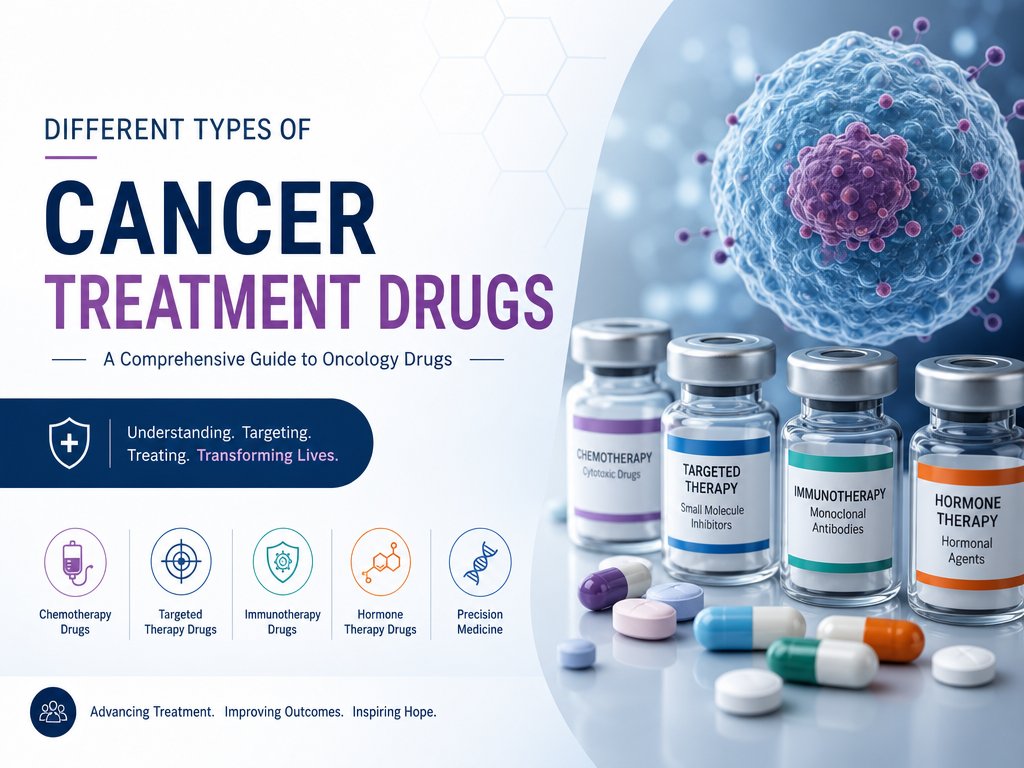
Cancer treatment involves various strategies, including chemotherapy, hormone therapy, targeted therapy, and immunotherapy. Each approach targets cancer in different ways, aiming to reduce or eliminate cancer cells. The complexity of cancer necessitates a multifaceted treatment approach, often combining different therapies to achieve optimal results over time.
Chemotherapy
Chemotherapy is designed to target fast-growing cells, making it an essential tool in cancer treatment, especially when dealing with aggressive or rapidly spreading cancers. This treatment can be administered orally or intravenously, depending on the specific drug and protocol. Patients may receive a single drug or a combination of several, with this choice being dictated by the type and stage of cancer, as well as the patient’s overall health and response to previous treatments.
Common Chemotherapy Options
The Food and Drug Administration (FDA) has approved nearly 300 anticancer drugs, with chemotherapy being a prevalent choice for many cancer types. These drugs include traditional cytotoxic agents, as well as newer agents that offer targeted actions with potentially fewer side effects. Oncologists carefully select chemotherapy regimens to maximize effectiveness while minimizing adverse reactions, considering factors such as whether the patient has previous health conditions or their current physical endurance.
Hormone Therapy
Hormone therapy is used in treating cancers that are driven by hormones, such as certain breast and prostate cancers. By altering or blocking certain hormones, this therapy can effectively slow or halt cancer growth. Such treatments might involve the use of medications that lower hormone levels or interfere with hormone action based on the patient’s specific condition.
Applications of Hormone Therapy
Hormone therapy often works best when combined with other treatments like radiation or surgery, providing a multi-faceted approach to tackling cancer. This combination can be more effective than any single method alone, helping to ensure that any remaining cancer cells are eradicated and reducing the chances of recurrence. It aims to target the disease from multiple angles, enhancing the overall success of the treatment regimen.
Targeted Therapy
This precision medicine involves identifying specific mutations or markers within cancer cells and attacking those pathways, sparing healthy cells in the process. Because certain cancers have well-known mutations, targeted therapies can be developed to interrupt these signals that promote tumor growth, leading to more precise and effective treatment options tailored to individual patients.
Examples of Targeted Therapy
Targeted therapies provide a safer alternative to traditional chemotherapy by focusing on specific molecular targets associated with cancer. Drugs like tyrosine kinase inhibitors or monoclonal antibodies are examples of targeted therapies that interfere with cancer cell reproduction and survival pathways, resulting in fewer side effects compared to broader-spectrum chemotherapy while maintaining efficacy. These therapies are often part of a personalized medicine approach.
Immunotherapy
Utilizing the body’s immune system, immunotherapy empowers the body to recognize and fight cancer cells effectively. This modern approach enhances the immune system’s ability to target cancer cells specifically without harming healthy tissue. It is particularly suitable for certain types of cancers, like melanoma and some types of lung cancer, where traditional methods may have limited success.
How Immunotherapy Works
Immunotherapy can be administered as pills or infusions and may be used as a standalone option or as part of a broader treatment strategy inclusive of other therapeutic modalities. The treatment boosts the immune system to more effectively attack cancer cells, using substances like immune checkpoint inhibitors or cancer vaccines. This approach has opened new avenues for treating cancers that were once considered difficult to manage, offering hope for better outcomes.
Supportive Care and Managing Side Effects
As cancer treatments can affect both cancerous and healthy cells, managing side effects is critical to maintaining the patient’s quality of life. Oncologists often prescribe medications to alleviate side effects such as nausea, hair loss, and fatigue, striving to make treatments more tolerable. Furthermore, patient support services, including counseling and nutritional support, play essential roles in helping individuals cope with the complex emotional and physical demands of cancer treatment. These services are integral to comprehensive cancer care, ensuring that patients receive holistic support.
Informed Treatment Decisions
Patients are encouraged to take an active role in their treatment decisions, gaining a clear understanding of the benefits and risks involved. They might seek second opinions and consider enrolling in clinical trials offering new therapies. Thorough discussions with healthcare providers and access to a wealth of resources empower patients to make informed decisions that align with their personal values and treatment goals. This process ensures that patients are partners in their care, enabling them to take control of their treatment journey.
Ongoing Research and Resources
Clinical trials and new treatment guidelines continually shape the landscape of cancer therapy advancements. Cutting-edge research focuses on understanding cancer biology better and developing personalized treatment plans that incorporate both drug and non-drug interventions. Resources such as patient advocacy groups, online forums, and educational materials provide invaluable support to those navigating the complexities of cancer treatment. These efforts help patients and healthcare providers collaborate more effectively, paving the way for improved outcomes and enhanced quality of life for individuals facing cancer. The ever-growing body of knowledge in oncology drives the field forward, offering optimism for continued advancements.