Introduction
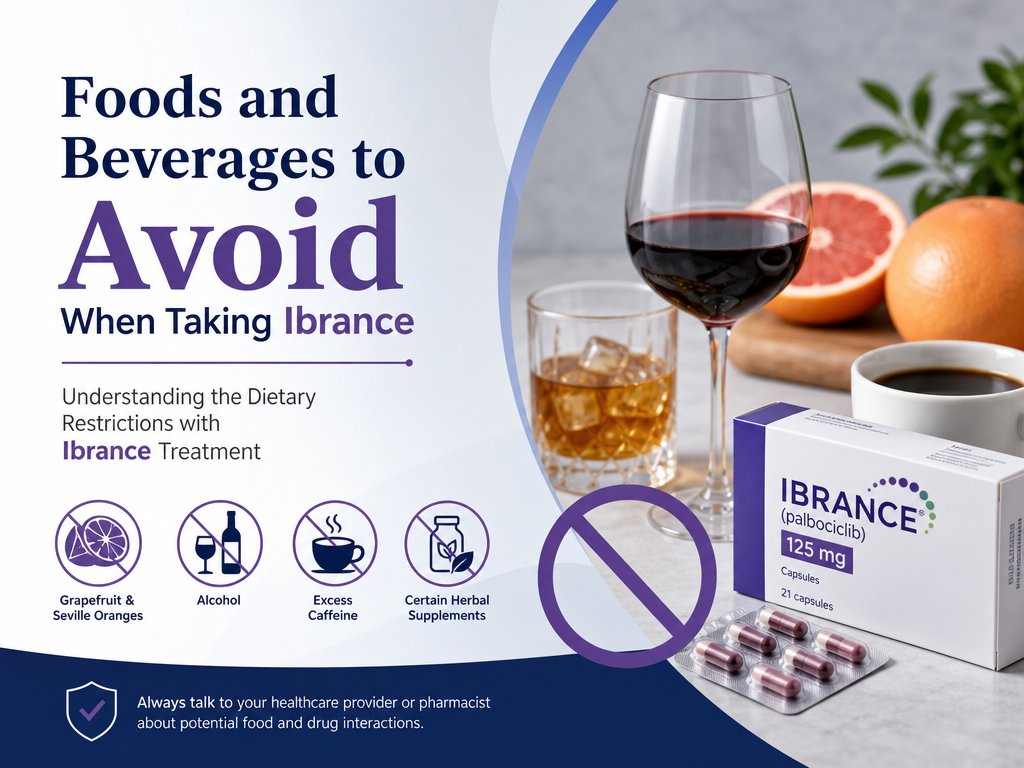
Ibrance (palbociclib) is prescribed to slow the progression of metastatic breast cancer. It is crucial to be aware of dietary restrictions while on this medication to prevent adverse effects and ensure effective treatment. Understanding these restrictions helps maximize the benefits of the medication while minimizing potential risks associated with diet-induced interactions.
Impact of Grapefruit and Other Citrus
Grapefruit and Grapefruit Products
While on Ibrance, it is essential to avoid grapefruit and its products. Grapefruit interferes with the medication’s processing in your liver, potentially increasing drug levels in your bloodstream and heightening side effects. It is not just the whole fruit that should be avoided; grapefruit juice and any foods or drinks containing grapefruit extract also pose a risk.
Other Citrus Considerations
Although not officially listed, some citrus fruits, like Seville oranges, might interact with medications, including cancer treatments like Ibrance. It’s advisable to consult your doctor regarding these and similar fruits. Other fruits, such as limes, pomelos, and tangelos, share biochemical pathways with grapefruit and might carry similar warnings. Discuss these foods with your doctor to ensure no inadvertent interactions occur, avoiding unnecessary complications.
Beverages to Avoid
Pomegranate and Starfruit Juices
Pomegranate juice is suggested by some sources as a beverage to avoid due to possible interaction with Ibrance, affecting its levels and efficacy. Older reports also mention starfruit juice as a similar concern. Both fruits have compounds that may interfere with the enzyme system responsible for metabolizing Ibrance. This could lead to unexpected changes in how the drug behaves in your body. Before consuming any exotic or uncommon juice, it is always safer to consult your healthcare provider.
Alcohol Consumption
Though not directly interacting with Ibrance, alcohol might exacerbate common side effects like tiredness, nausea, and vomiting. Discuss your alcohol consumption with healthcare professionals if you’re undergoing treatment as it can impact your immune system and overall well-being in generally unforeseen ways. Having a comprehensive discussion with your doctor can help outline safe guidelines for alcohol use if deemed appropriate during your treatment.
Herbs and Supplements
Turmeric
Scientists have yet to confirm if turmeric alters Ibrance’s metabolism significantly. However, due to potential interactions, it is prudent to confer with healthcare providers before combining them. Turmeric supplements are potent and can affect various bodily systems, prompting unintended consequences with medications like Ibrance. If you regularly consume turmeric in your diet or supplement form, disclose this to your healthcare provider.
St. John’s Wort
St. John’s Wort, often used as a natural remedy for depression, is known for interacting with several drugs, including Ibrance. Avoid using this supplement during your treatment. It is particularly notorious for its extensive drug interaction profile because it induces certain liver enzymes that can lead to reduced effectiveness of medications, including anticancer drugs.
Seeking Professional Advice
If you have dietary questions or concerns while taking Ibrance, always consult healthcare professionals. Inform them about all medications, supplements, and any specific health conditions you have to receive personalized advice. Their guidance will help tailor dietary and medicinal interactions, ensuring that your treatment course remains as beneficial as possible while minimizing any preventable adverse effects.
General Safety Tips
Your diet can influence how Ibrance functions. These guidelines support maintaining your treatment’s efficacy and safety. Always seek urgent medical attention if severe side effects occur, such as unusual bruising, rapid heart rate, or signs of infection like fever or persistent sore throat. Early intervention by medical professionals can help manage any critical issues that arise quickly, maintaining your health and safety.
Disclaimer: This information is for educational purposes only and should not replace professional medical advice. Consult a healthcare provider for guidance tailored to your circumstances. Information may change over time and does not cover all medication aspects.