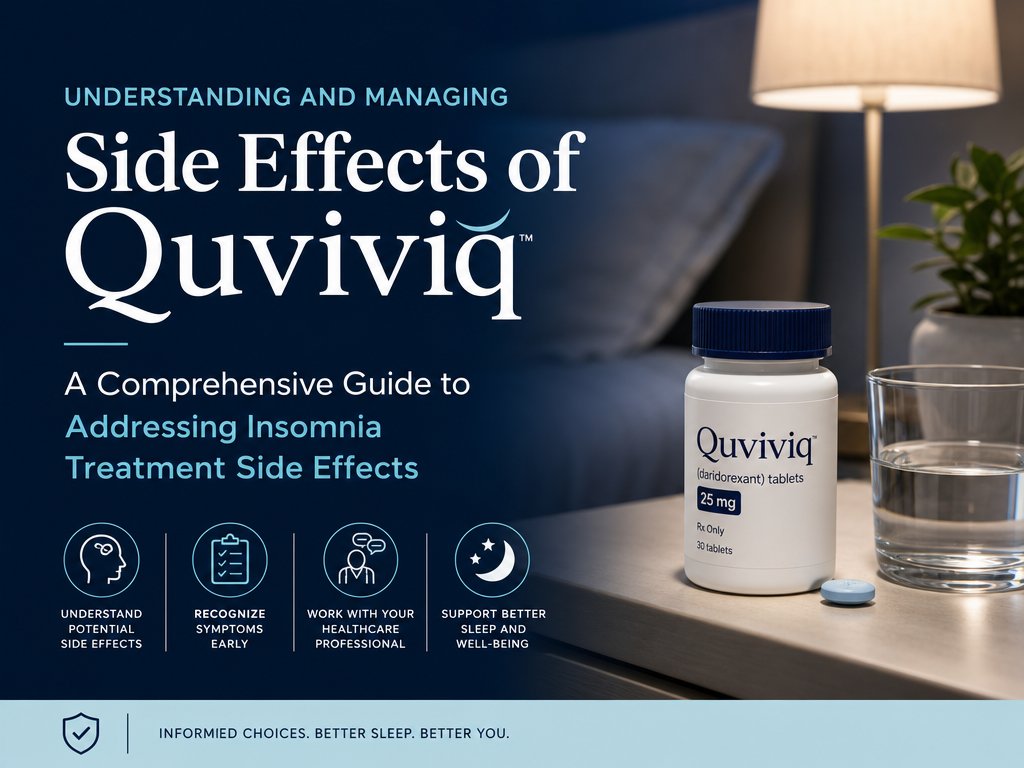
Introduction to Quviviq
Quviviq is a prescribed medication specifically for adults dealing with insomnia. It works by targeting the neurological pathways that influence sleep cycles, hence helping individuals to achieve the restful sleep they need. While it significantly aids in improving the quality and duration of sleep, it may cause certain side effects, which can range from mild to serious in nature. Understanding these effects and how to manage them is crucial for anyone considering this medication.
Recognizing Common Side Effects
Some side effects of Quviviq are reported more frequently than others. These may persist for a short duration but usually do not last long, allowing users to proceed with their day-to-day activities without substantial disruption. It’s essential to consult your doctor if any discomfort arises or persists to ensure that your treatment regimen remains safe and effective.
Mild Side Effects
Typically, mild side effects are temporary and manageable. These might include issues such as dry mouth, slight dizziness, or minor gastrointestinal disturbances. Although mild, it’s important to discuss ongoing issues with your healthcare provider to receive appropriate guidance and adjustments to your treatment as necessary.
Potential Serious Side Effects
In some scenarios, Quviviq may cause significant adverse reactions. These could involve more pronounced dizziness, changes in mood or behavior, or difficulty with coordination. If such effects occur, immediate medical attention is recommended. Always inform your doctor to find the best course of action and ensure your safety while using the medication.
Allergic Reactions
Although rare, allergic responses to Quviviq can occur. Symptoms can range from mild, such as skin rashes or itching, to severe, including difficulty breathing or swelling in areas such as the face or throat. Urgent care is advised in the event of severe reactions, as these can pose serious risks to health.
Mitigating Side Effects
Despite the potential side effects, there are ways to manage them effectively. Strategic planning and consultation with healthcare professionals can provide valuable strategies to tackle these issues. Your doctor might suggest dosage adjustments or additional interventions to alleviate side effects while maintaining the medication’s efficacy.
Daytime Drowsiness and CNS Effects
Quviviq, being a CNS depressant, can impair alertness and reaction time. This is particularly important for individuals who operate heavy machinery or drive. Thus, it is advised to avoid certain activities, like driving, after consumption until you understand how the medication affects your alertness. Ensuring ample sleep time can help mitigate these effects and promote better daytime functionality.
Managing Headaches
Headaches are a prevalent side effect but are rarely severe. Over-the-counter pain relievers may offer relief; however, persistent headaches warrant professional consultation. Your healthcare provider might evaluate other contributing factors or adjust your treatment to reduce headache frequency and severity.
General Tips for Minimizing Side Effects
To minimize side effects, taking Quviviq exactly as prescribed is essential. This involves adhering to prescribed dosages and the recommended schedule. Additionally, maintaining a healthy lifestyle, including regular physical activity and a balanced diet, can support overall well-being and potentially reduce the impact of side effects. Engaging in mindfulness practices or stress management techniques might also be beneficial in achieving lasting sleep quality improvement.
Conclusion
If you choose to start or continue with Quviviq, maintaining an open dialogue with your healthcare provider about any side effects is key to effective treatment. By working closely with your doctor, you can find solutions tailored to your needs, ensuring that the benefits of Quviviq outweigh any adverse experiences. Remember, effective communication with healthcare professionals enhances treatment outcomes and ensures a safer journey to improved sleep health.
Understanding and managing side effects are integral to any treatment involving medication. For those using Quviviq, knowing what to expect and how to manage various reactions allows for a more comfortable and effective experience. Always self-monitor your responses to the medication carefully and communicate any changes or concerns with your healthcare provider. This proactive approach not only fosters a safer use of Quviviq but can also improve the overall success of your insomnia treatment plan.
In addition to personal vigilance, a supportive healthcare team plays a crucial role in your treatment journey. They can provide you with specific advice tailored to your unique situation. These expert insights are invaluable in mitigating side effects while maximizing the therapeutic benefits of Quviviq. Exploring lifestyle changes such as stress reduction techniques, improved sleep hygiene, and consistent sleep schedules may also complement the medication’s effects, contributing to a holistic approach to tackling insomnia. Techniques such as yoga, meditation, or deep breathing exercises can support emotional and physical relaxation, potentially enhancing the restorative effects of sleep fostered by Quviviq.
Staying informed about the potential side effects and employing effective management strategies can enhance your overall experience with Quviviq. By fostering a close, communicative relationship with your healthcare provider, you ensure that the treatment aligns well with your needs and lifestyle, allowing you to regain the restful sleep you desire. Recognizing the importance of a comprehensive treatment plan empowers you to address insomnia more effectively and enjoy improved quality of life. Consider the benefits of a well-rounded strategy that integrates both medical and lifestyle interventions. This balanced approach can provide a robust defense against insomnia, aiding you in achieving long-term sleep health and well-being.