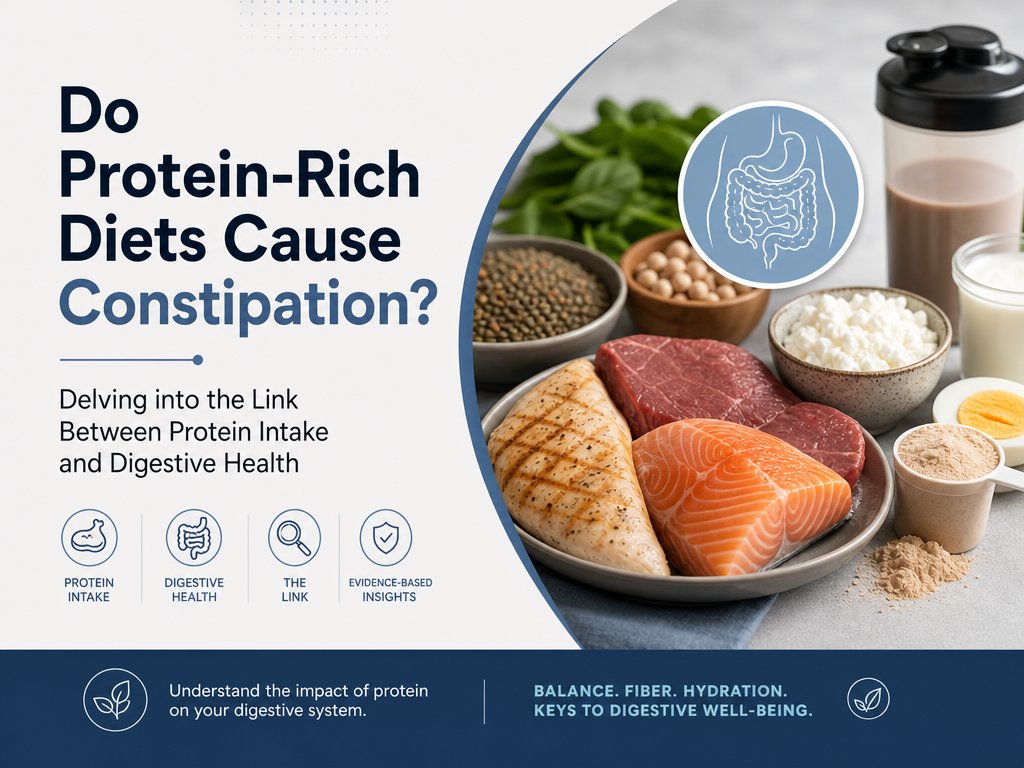
The Connection Between Protein and Constipation
Many people today turn to high-protein diets, particularly those centered around animal-based foods such as chicken and fish, for weight loss and muscle building. These foods often lack fiber, which can lead to constipation. While protein itself doesn’t directly cause this digestive issue, the absence of fiber from the diet plays a significant role in our digestive health, impacting the body’s ability to function smoothly. Adequate fiber intake is crucial for promoting gastrointestinal wellness and facilitating regular waste elimination.
Understanding High-Protein Diets
The popularity of high-protein, low-carbohydrate diets has surged thanks to their effectiveness in weight management. However, it’s essential to be aware that excessive consumption of animal proteins without sufficient fiber can result in uncomfortable digestive issues like constipation and bloating. To counteract these issues, including fiber-rich foods such as nuts, seeds, vegetables, and legumes in your daily meals is crucial, as these foods help maintain overall gut health by promoting regular bowel movements and reducing digestive discomfort, ensuring that your digestive system remains in optimal condition. Moreover, a varied diet that incorporates diverse sources of fiber can enhance microbiome diversity, a factor linked to better digestive resilience.
Fiber and Fluid: Key to Preventing Constipation
Insoluble fiber, found in the cell walls of many plant foods, supports regular bowel movements by adding bulk to the stool. Thus, it’s vital to ensure your diet includes both insoluble and soluble fiber, along with ample fluids, as adequate hydration significantly aids digestion. While animal proteins contain natural moisture, they may not provide sufficient water content to effectively prevent constipation. Drinking plenty of water throughout the day can alleviate digestive concerns and support the fiber’s role in maintaining regularity, further reinforcing the digestive process. Staying hydrated not only improves digestion but also assists nutrient absorption and promotes overall well-being.
Considering Protein Supplements
For those using protein supplements to meet dietary needs, it’s important to check whether these products contain fiber, as many do not. While protein shakes mixed with water or juice often pose a lower risk of constipation compared to their bar counterparts, it’s wise to review their nutritional labels to understand what you are really consuming. Choosing protein supplements that include added fiber or mixing them with fibrous fruits and vegetables can enhance their digestive benefits. Additionally, balancing supplement intake with whole food sources of protein, like beans or quinoa, can help support regular bowel function, providing a more holistic approach to nutrition. This approach not only optimizes your protein intake but also enhances your overall dietary quality.
A Balanced Approach to Protein Intake
While protein is essential for muscle repair, bone health, and hormonal balance, relying heavily on animal proteins without balancing with dietary fiber can lead to digestive discomforts like constipation or gas. Regular bowel movements are vital for eliminating bodily toxins and maintaining overall health, highlighting the importance of considering your digestive system when planning your meals. Integrating varied sources of protein, like lean meats, dairy products, and plant-based options, enriches your diet, contributing to both wellness and effective digestion.
Practical Tips for Enhancing Digestive Comfort
If you’re experiencing constipation on a high-protein diet, incorporating more fiber and fluids into your meals and engaging in regular physical activity can help improve bowel function and ease any digestive distress. Occasionally, over-the-counter medications, with a healthcare professional’s endorsement, may offer temporary relief. Incorporating foods like oatmeal, pears, and leafy greens, along with gentle exercises such as yoga or brisk walking, can help stimulate digestion and promote comfort, enhancing your overall dietary experience. Also, practicing mindful eating, focusing on meal timing and chew thoroughly, aids digestion.
Guidelines and Recommendations
Protein needs vary based on individual factors such as activity levels and diet goals. According to USDA recommendations, individuals on a 2,000-calorie diet should aim for roughly 5.5 ounces of protein per day. For personalized dietary needs, consulting USDA tools can be beneficial to ensure your diet is balanced and meets your unique health requirements, offering tailored insights into your nutritional needs. If persistent constipation is accompanied by other symptoms like severe abdominal pain, bloating, or fever, it’s important to seek medical advice for a comprehensive evaluation to rule out any underlying health issues. Ensuring a balanced diet that provides adequate hydration and fiber can hugely mitigate constipation risks while on a protein-focused eating plan. This balance not only supports digestive health but also enhances overall well-being, allowing you to enjoy the benefits of a high-protein diet without the discomfort of digestive issues. Emphasizing both quality and quantity in meal planning can lead to more sustainable health outcomes.