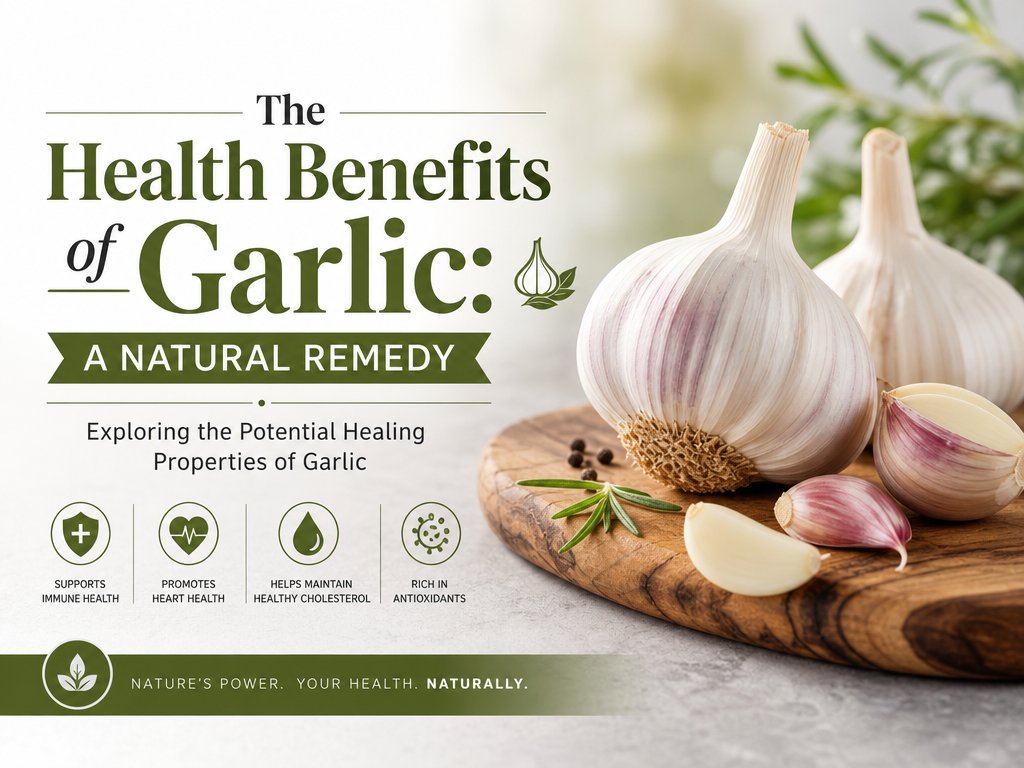
Garlic: A Flavorful Herb with Healing Benefits
The strong, tangy flavor of garlic makes it a popular inclusion in various culinary creations. Beyond its taste, garlic is celebrated for a variety of potential health benefits, including reducing cholesterol and possibly lowering the risk of heart disease. Its distinct aroma combined with its robust taste have made it a staple in kitchens worldwide, enhancing flavors in dishes from Italian pasta sauces to Indian curries, Chinese stir-fries, Middle Eastern dishes, and even simple, rustic home recipes. Its multifaceted nature allows it to enrich dishes with both fragrance and flavor, amplifying the culinary experience for enthusiasts and chefs alike.
Garlic as a Superfood
Garlic has earned its place among the top superfoods due to its remarkably high content of phytochemicals. These are plant-based compounds believed to bolster the immune system and may reduce the risk of conditions such as heart disease and certain forms of cancer. Phytochemicals work synergistically within the body to help detoxify harmful substances, thereby offering a protective effect against various illnesses. Additionally, its superfood status is marked by its versatility, allowing it to be used in a wide range of dishes, both raw and cooked, seamlessly blending into numerous cooking styles and traditions. It enhances salads, soups, stews, and can even add a unique twist to cocktails or smoothies.
Scientific Findings on Garlic
Research from 2021 underscores garlic’s significant nutritional value and its impressive therapeutic potential. It contains essential nutrients like B vitamins, manganese, selenium, and fiber, all contributing to various bodily functions. However, it’s essential to consult healthcare professionals before incorporating any supplements, including garlic, into your routine. Proper consultation ensures that you are aware of any interactions that garlic may have with medications or existing health conditions, making it a safer choice for anyone considering it as a dietary addition. Educational outreach by health experts also emphasizes that while garlic offers benefits, it should complement rather than replace conventional medical treatments.
Traditional Uses Backed by Modern Science
The National Center for Complementary and Integrative Health highlights garlic’s traditional use for various health issues. Traditionally, garlic has been used as a natural remedy for respiratory problems, digestive issues, and infections. While some traditional claims have been supported by scientific research, others still require more investigation for full validation. Always consult healthcare providers for any medical advice or dietary changes. Scientific evaluation and personal medical history are crucial in determining how garlic might fit into your overall health plan. Additionally, integrating garlic into mindfulness eating practices could further enhance personal health experiences.
Garlic and Heart Health
Studies suggest that garlic might help reduce blood pressure, particularly in individuals suffering from hypertension. Its compounds, such as allicin, are known to relax blood vessel muscles, aiding in the reduction of blood pressure. Furthermore, garlic might play a role in slowing the development of atherosclerosis, thereby potentially lowering the risk of heart attacks, though more research is required in this area. Nutritionists often recommend combining garlic with other heart-healthy foods, such as olive oil, nuts, and leafy greens, to optimize cardiovascular benefits naturally. Innovative recipes incorporating these ingredients continue to emerge, celebrating the enriching taste of garlic while promoting heart health.
Cholesterol, Cancer, and Other Potential Benefits
Regarding cholesterol levels, results have been inconclusive, while some studies suggest that garlic could potentially help manage cancer by influencing carcinogen metabolism and inhibiting cancer cell growth. However, these findings are not definitive and warrant further human-based research. Emerging studies are exploring the role of garlic in combating oxidative stress, which could explain its potential anti-cancer properties. It is crucial for researchers to continue investigating these promising areas to conclusively determine garlic’s full range of benefits. Community-based health programs may increase awareness of garlic’s applications, encouraging practical, evidence-based utilization.
Considerations and Side Effects
The FDA considers garlic safe, but potential side effects like body odor, heartburn, and upset stomach still exist. Additionally, due to its blood-thinning properties, it might pose risks for those with bleeding disorders or soon-to-be surgical patients. Discuss with health professionals before adding garlic to your health regimen. For those sensitive to garlic’s intensity, starting with small amounts and gradually increasing while keenly monitoring any side effects can be a prudent approach to avoid discomfort. Cooking tips suggest methods to mellow garlic’s intensity, such as roasting or marinating, which might be suitable for sensitive individuals.
Conclusion: A Nutrient-Rich Dietary Addition
While not a cure-all, garlic carries a legacy of significant importance in both traditional and modern health practices. Including garlic in your diet can provide essential nutrients and phytochemicals, enhancing overall well-being. Coupled with other healthful practices such as a balanced diet, regular exercise, adequate sleep, and stress management, it can be part of a holistic approach to health. For those contemplating garlic supplements, it’s advisable to consult a doctor to fully understand the potential benefits and risks. Always let personal health history, existing medications, and individual nutritional needs guide dietary choices, ensuring that garlic contributes positively to your health goals. With balanced integration, garlic not only enriches meals but also supports long-term health objectives.