Introduction
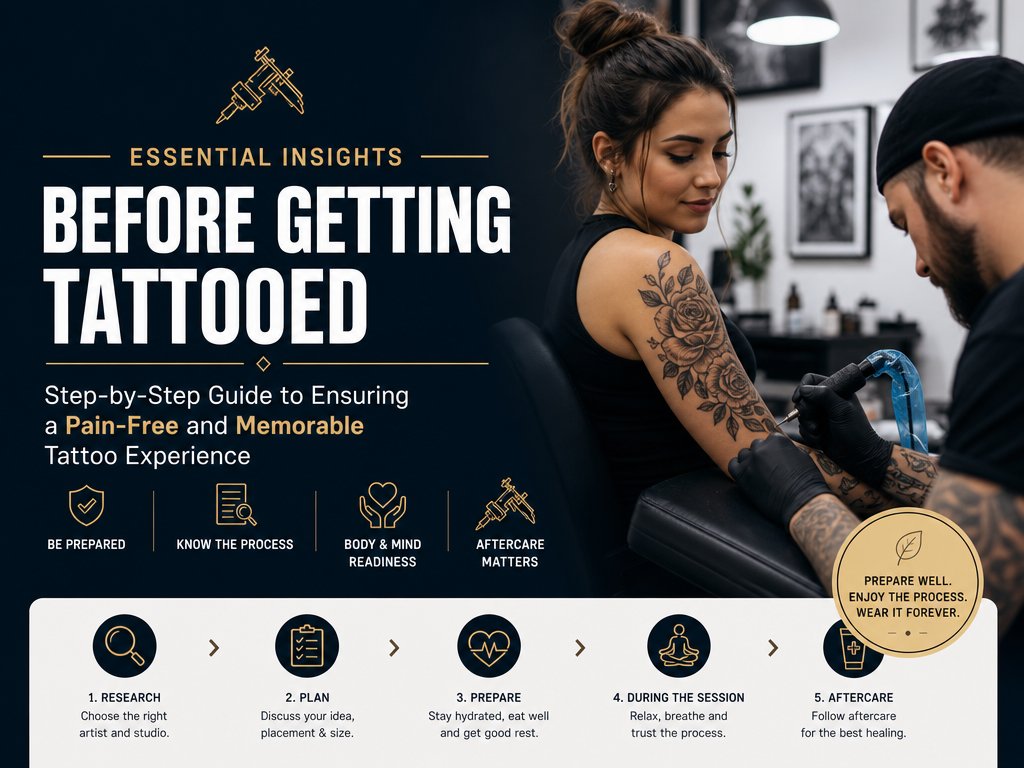
Getting a tattoo involves more than just picking a design and sitting in a chair. It requires thoughtful consideration of design, placement, artist selection, and aftercare to ensure a healthy and satisfying result. Whether you’re a first-timer or adding to a growing collection, it’s crucial to be informed about the entire process, from conception to completion and what comes afterward. Each decision you make can affect the quality and longevity of your tattoo, making it important to approach each step with care and attention. Engaging thoroughly in the process enhances not only the experience but ultimately the piece of art you commit to.
Choosing Your Design
The first step is solidifying your design choice and deciding where on your body it will go. Think about the kind of design you want, whether it’s floral, abstract, or simple script. Having a clear idea helps during your consultation with the tattoo artist. Consider how the design will look on different parts of your body and how it will appear as you age. It’s wise to consider whether you want the tattoo to be entirely unique or if you’re comfortable with a design that’s more widely recognized. Additionally, mulling over potential symbolic meanings associated with your chosen design can add personal significance and deepen your connection to your tattoo.
Consultation with Your Artist
During the consultation, you’ll collaborate with the artist to refine your idea. Bring inspiration images and discuss details like placement, color, and pricing. The artist might sketch a mock-up then or later. This interaction is also a chance to gauge whether you feel comfortable with the artist, as trust is essential in the tattoo process. Understanding an artist’s preferred methods and how they prepare can also give you insight into what to expect during the tattooing process. Discussing any potential allergies to ink or materials in advance can also prevent adverse reactions, ensuring a smoother experience.
Selecting the Right Style
Different tattoo styles suit different aesthetics, and it’s crucial to choose an artist experienced in the style you desire. Social media platforms, such as Instagram, offer a vast repository of tattoo styles and artists. Explore multiple styles, such as traditional, neo-traditional, watercolor, or realism to find one that resonates with your desired aesthetic. Similarly, if you’re adding text, selecting a font that complements the design is essential. Ensure the style you choose aligns with your personal taste and how you want it to be perceived. It can be beneficial to study the history and cultural origins of certain styles to understand any cultural implications and ensure respectful decision-making.
Color and Skin Tone
Your skin tone plays a critical role in the vibrancy of colored ink. Light skin tends to showcase white ink better, while darker tones highlight colors like crimson and royal blue best. Consider how bold outlines or softer pastel colors will appear with your natural skin tone. Grayscale options, which involve mixing various shades of black and white ink, can be a universal choice that adapts well to any skin tone. Consult with your tattoo artist about how different colors will age or fade over time, as color longevity varies by skin type and care. Remember that even with thoughtful planning, exposure to elements like sunlight can significantly affect color retention, making aftercare all the more critical.
Placement and Pain Considerations
Where you place your tattoo affects both pain levels and visibility. Areas such as the ribs, spine, and feet can be more painful due to the proximity of bones and nerves, whereas areas like the forearm or upper thigh are generally less sensitive. Research suggests that pain experiences vary greatly from person to person. It’s crucial to remember that fading occurs over time and varies depending on the tattoo’s location and size. Think about how visible you’d like your tattoo to be in your everyday life, and whether work environments or professional settings might influence your placement choice. Considering how clothing might interact with the tattooed area, or how often that part of your body is exposed to the sun, can also help in selecting the ideal placement.
Finding a Reliable Shop
Researching tattoo shops is key. Ensure they follow state regulations for licensing, practice cleanliness, and use single-use tools to prevent contamination. Visit potential shops in person to observe cleanliness and gauge the staff’s professionalism, which can play a large role in your overall experience. Your comfort with the artist’s professional demeanor and excitement for your project are important, as is their willingness to answer any questions or concerns you might have. Reading reviews from previous clients can provide insights into the artist’s reliability and skill. A visit can also reveal whether the atmosphere of the shop aligns with your preferences, contributing to a more pleasant tattooing experience.
The Tattooing Process
Expect some pain based on your pain tolerance and the tattoo’s location. Communicate with your artist if it becomes unbearable, and practice deep breathing to manage discomfort. The tattooing process can take anywhere from a few minutes to several hours depending on the design’s complexity. Be prepared to sit or lie still for extended periods, and consider bringing headphones or a companion to keep you occupied. Aftercare involves washing the tattoo gently, keeping it hydrated, and avoiding exposure to direct sunlight for a specific period post-tattooing. Staying hydrated and having a small snack on hand can keep your energy levels up and help in managing discomfort during longer sessions.
Tattoo Aftercare
Following your artist’s aftercare instructions ensures the tattoo heals properly. Avoid using fragranced products and keep the area clean to prevent infection. The ink needs time to settle into your skin without interference. All tattoos will fade to some degree; proper care can prolong their vibrancy. Typically, the initial healing period lasts about two weeks, during which time new skin forms and any scabs fall away. However, the complete skin healing can take up to a month or more. Keeping the tattoo moisturized and protected, especially in the sun, ensures long-lasting vibrancy. Regular check-ins with your artist, or discussing any unusual healing patterns, can provide additional support and guidance during the healing process.
Tattoo Removal and Cover-ups
While removal is an option, it’s often costly and painful. Modern techniques like laser removal require multiple sessions and can leave scars or skin discoloration. Consult with professionals for removal procedures. Alternatively, cover-up tattoos might be a viable option if you’re looking to alter your body art. Skilled artists can transform existing designs into new works of art through colorful and strategic designs. Cover-ups can often be less expensive than removals and provide the opportunity to evolve your tattoo’s meaning and aesthetic. Discuss with your artist whether your skin type is suited for a cover-up or if removal is necessary first, ensuring you understand all possible outcomes. The decision between removal and a cover-up can also hinge on your future tattoo goals, assessing how the change might fit into your broader body art plans.
Conclusion
Getting a tattoo is a personal and potentially lifelong decision. Careful deliberation and preparation can make the experience positive and rewarding. Whether your tattoo signifies an important life event, personal belief, or simply an appreciation for body art, taking pride in the process reflects in the resulting masterpiece. Explore all your options, and take pride in your body art journey, knowing each step is an expression of your identity. As trends and personal tastes evolve, your tattoo can serve as a constant and creative expression of self, bringing a sense of satisfaction and completeness to your personal narrative. This enduring piece of art can serve as a reminder of your individual journey and the distinctive story only you can tell.