Introduction to the Benefits of Nature
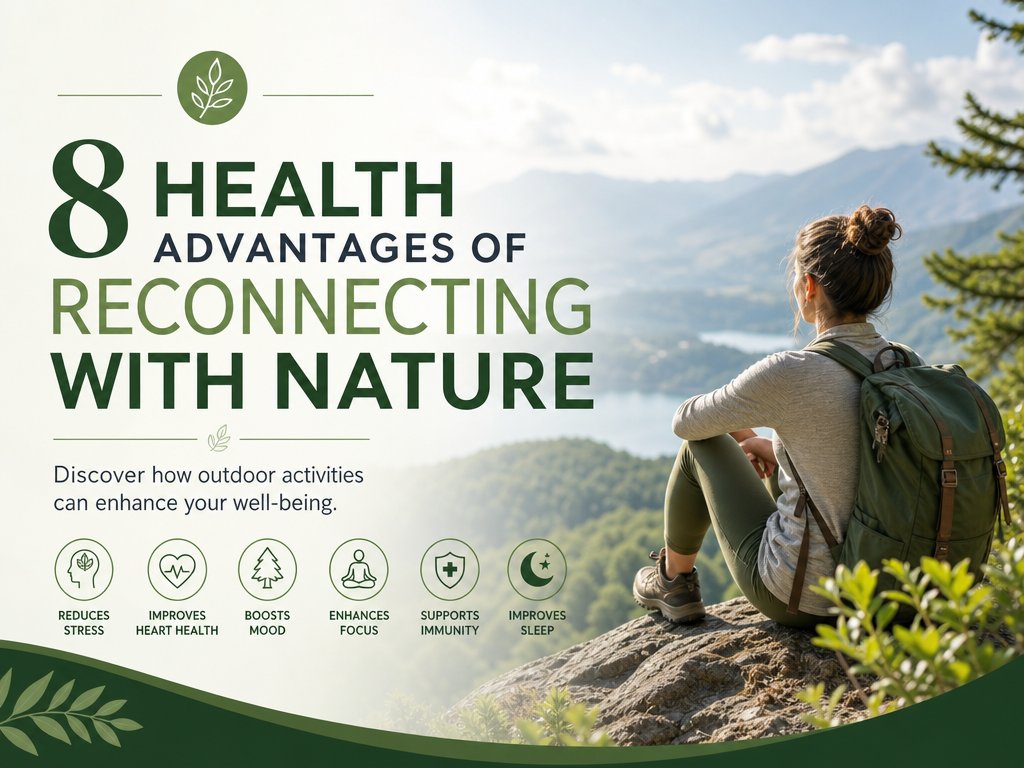
Mother Nature, despite lacking modern amenities such as televisions and air conditioning, offers something far more vital: health improvements. Enjoying the outdoors can strengthen the immune system, enhance sleep quality, and reduce stress, even without requiring lengthy exposures. Nature is an undervalued asset that provides a myriad of health benefits with no requirement for technology or artificial enhancement. More than just a break from the everyday hustle, nature integrates into our lives, offering peace and rejuvenation.
Boosting Physical and Mental Health
A 2019 study highlighted that spending just 120 minutes weekly in natural surroundings substantially benefits overall well-being. This research indicates that stepping outside regularly can have profound effects on one’s health, mental clarity, and emotional state. These 120 minutes can be spent all at once during a weekend hike or in shorter daily sessions like lunchtime walks. Activities do not necessarily need to be intense; even simple acts such as sitting on a bench in a park can bring significant benefits. The consistency of these nature interactions plays a crucial role in sustained mental health improvement over time.
The Role of Air Quality in Health
Indoor air pollution levels often surpass outdoor levels, increasing the likelihood of respiratory issues. Natural green spaces, such as parks and forests, play a crucial role in decreasing respiratory risk. This is supported by a study where areas abundant in greenery had a 34% lower frequency of respiratory disease mortality rate, underscoring the importance of access to clean air for lung health. Furthermore, trees and plants help filter pollutants and contribute to overall cleaner air. They also release oxygen, which is essential for respiration, enhancing our physical performance and stamina during outdoor activities.
Natural Light and Circadian Rhythm
Sunlight is significantly more intense than artificial lighting and plays a vital role in synchronizing our circadian clock. Regular exposure to sunlight can improve sleep patterns and alleviate depression symptoms. This improvement is partly due to increased Vitamin D production, which is essential for bone health and the immune system, or an improved sleep cycle that leads to more restful nights and more energetic days. The balance between sunlight and darkness governs physiological processes, ensuring that our body functions optimally.
Exercise Motivation in Green Spaces
Exercising outdoors enhances motivation significantly. Engaging in activities like gardening, hiking, or playing with pets in parks improves overall health without the need for extensive physical exertion. The scenery and fresh air provide an uplifting backdrop that enhances exercise engagement, encouraging individuals to stay active longer compared to workouts in enclosed spaces like gyms. The sounds and smells of nature further elevate the exercising experience, providing mental relaxation while physically challenging the body.
Nature as a Stress Reliever
Natural settings provide a sensory refuge from the noise and overstimulation of urban environments. They promote relaxation and focus through slow-paced activities like hiking, kayaking, or simply walking amidst the trees and flowers. The calming effect of nature can reduce cortisol levels, contributing to a more relaxed state of mind and body, thus serving as a natural antidote to everyday stressors. The gentle whisper of the leaves and the babbling of a nearby brook offer meditation-like benefits, helping individuals reset their minds and alleviate built-up tension.
Immune System Support from Nature
Spending time outside fosters optimal immune function. The natural environment, rich in phytoncides and other organic compounds, helps prepare the body to fend off infections and reduces chronic inflammation through exposure to a diverse range of microorganisms that are beneficial for our health. This interaction strengthens the body’s defenses, enhancing our ability to resist illnesses. The improved immunity is further supported by physical activities like hiking or brisk walking in natural settings that promote better circulation and lymphatic drainage.
Preserving Eye Health in Children
Outdoor play is crucial for reducing the risk of childhood myopia. Numerous studies suggest that spending time outside during childhood offers long-term benefits for eye health, as natural light and open spaces encourage healthy vision development. The varied distances in outdoor environments can help reduce strain on children’s eyes caused by screens and close-up activities. Engaging in outdoor activities such as playing sports or exploring their surroundings fosters a child’s curiosity and cooperation, apart from supporting better eyesight.
Emotional Well-Being and Connection
Nature has the power to elevate positive emotions and foster connections with the world around us. Activities like stargazing, walking by a river, or simply observing the changing seasons can enhance this relationship, reducing feelings of isolation or unwanted emotions. This connection to nature can nurture a sense of belonging, leading to a more profound understanding and appreciation of one’s place within the world. By being in tune with natural cycles and phenomena, one develops empathy and respect for all forms of life, promoting environmental stewardship and a caring mindset.
In summary, regular time spent outdoors is essential for enhancing physical health, boosting emotional wellness, and strengthening our connection to the environment. Spending moments in nature is beneficial not just for the individual but also for strengthening communal ties and promoting environmental awareness. This holistic approach to health underscores the significant impact of nature on our daily lives, urging people to engage more with the natural world for a healthier, balanced life. The nurturing embrace of nature stands as a testament to its indispensable role in nurturing our physical, mental, and spiritual well-being, motivating us to preserve such biodiversity for generations to come.