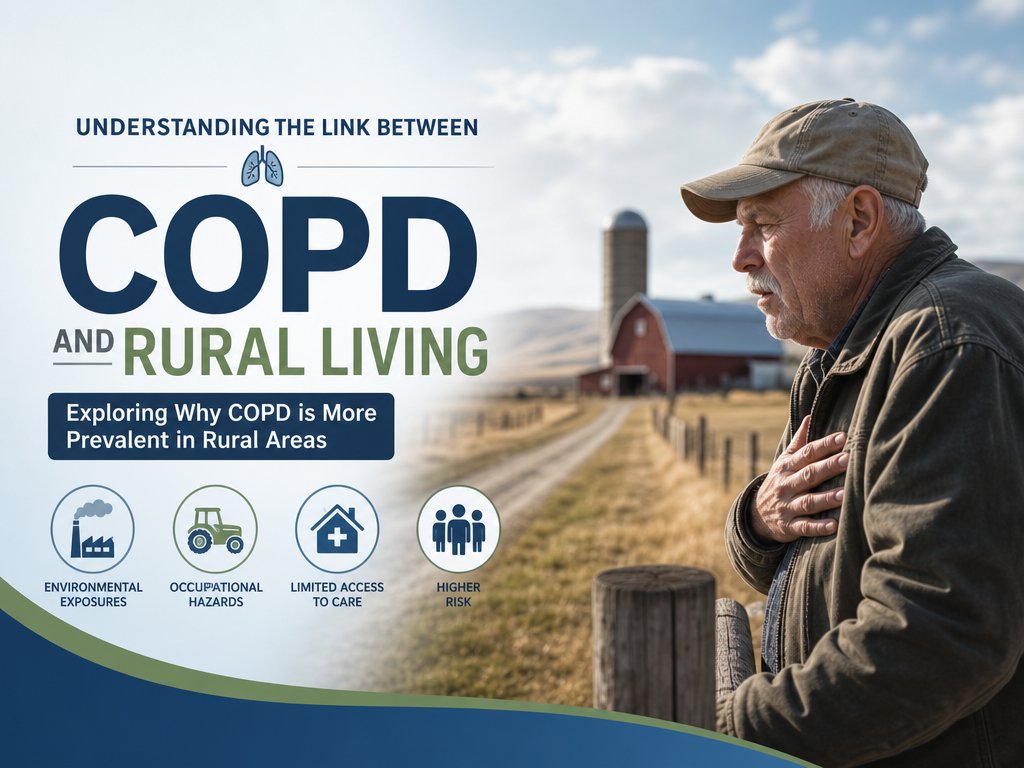
Introduction to COPD in Rural Areas
Chronic obstructive pulmonary disease (COPD) is an enduring and severe ailment that inflicts inflammation and structural damage on the respiratory system. This results in persistent symptoms such as frequent coughing, wheezing, and ongoing shortness of breath. Smoking remains the primary cause of COPD; however, various other factors can significantly escalate risk levels, particularly for those residing in rural settings. Rural residents often face additional environmental and accessibility challenges that can adversely affect their respiratory health.
The Impact of Geography on COPD
Reports generated by the Centers for Disease Control and Prevention (CDC) emphasize that people living in rural U.S. regions are subject to increased risks of developing COPD, becoming hospitalized due to complications, and eventually facing mortality from the disease. The CDC delineates rural areas as those lacking the population density that is characteristic of urban locations.
Defining Rural and Urban Areas
The U.S. Census Bureau defines rural areas as those not matching urban criteria; specifically, urban areas must have either 2,000 housing units or a population density of 5,000. The CDC’s recent study offers an alternate view by defining urban counties as those having populations of no less than 10,000 individuals. This differentiation is crucial for understanding the unique health challenges faced in varying geographical settings.
Lifestyle and Accessibility Factors
Dr. Steven Davis, a leading pulmonologist, highlights the prevalence of smoking in rural settings as a key concern. Smoking cessation initiatives and healthcare access are notably scarce in these areas, which critically compounds the issue. Nationwide statistics indicate that about 15.4% of rural adults are smokers compared to just 10.1% of adults residing in urban settings.
Local Influence on Health
States with robust tobacco industries tend to have even higher smoking rates, which directly influence the prevalence of COPD within these communities. Furthermore, barriers to healthcare such as travel distances, limited specialist availability, and increased costs further exacerbate healthcare disparities affecting rural populations. These barriers are often compounded by socioeconomic factors, which may prevent individuals from seeking timely medical advice. Access to preventative measures and effective treatments remains limited, amplifying the impact of COPD on these populations.
Tackling COPD in Rural Areas
To effectively address these pressing issues, the CDC has urged individuals to stop smoking, stressing that this remains a pivotal step. In parallel, expanding healthcare access and the range of specialist services within rural regions can play a significant role in combating COPD. Dr. Davis also emphasizes the importance of implementing systemic changes at both the state and federal government levels to effectively address these disparities.
Simplifying Access to Care
Accessible healthcare can prevent the need for late-stage interventions, reduce hospitalization rates, and improve the overall quality of life for rural COPD patients. Initiatives such as funding for rural healthcare facilities and considering patient voices in policy development are essential for driving meaningful change. Implementing telehealth services and enhancing community outreach can also facilitate better healthcare delivery in these hard-to-reach areas. Furthermore, partnerships with local organizations and community leaders can help in disseminating crucial health information and resources more efficiently, thereby enhancing the overall effectiveness of health interventions.
Conclusion: A Path Forward
Rural communities encounter notable challenges due to high smoking rates and restricted healthcare access, which together contribute to increased susceptibility to COPD. While smoking cessation remains vitally important on an individual level, broader legislative and systemic changes are necessary to effectively reduce rural disparities in COPD care and health outcomes. It is crucial to foster environments where healthcare access is simplified, preventative measures are emphasized, and community health resources are made more readily available. By focusing on these targeted strategies, we can work towards improved respiratory health and quality of life for those residing in rural areas. Investing in education programs that emphasize the long-term health benefits of quitting smoking and other preventative healthcare measures may also have a profound impact on reducing COPD incidence. Addressing the socioeconomic and environmental factors contributing to high smoking rates and limited healthcare access is vital for sustainable change.