The Coffee Controversy
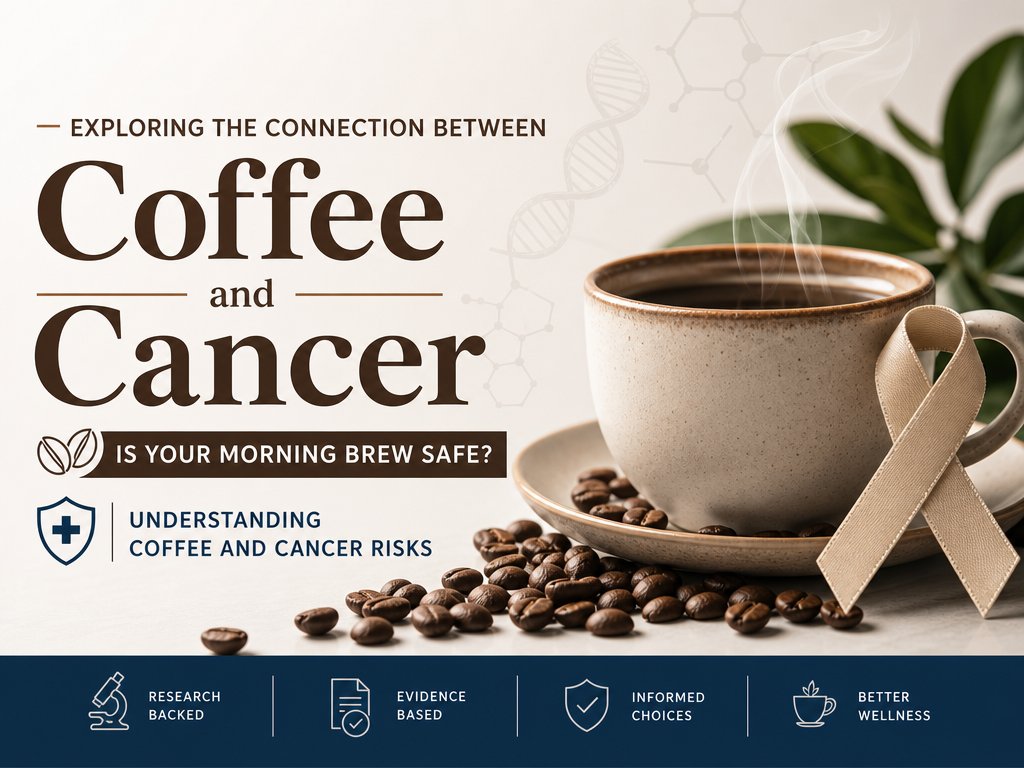
Coffee remains a hot topic for debate, often caught in the crossfire of conflicting scientific studies concerning its effects on health. In 2018, a California court ignited a widespread discussion when it suggested that coffee sold in the state might require a cancer warning label. This suggestion was due to acrylamide, a chemical formed during the roasting of coffee beans, which is considered a potential carcinogen. However, both the U.S. Food and Drug Administration (FDA) and California’s Office of Environmental Health Hazard Assessment (OEHHA) opposed this mandate, advocating for the safety of consuming coffee. The court’s decision underscores the difficulties in balancing public health advisories with evolving scientific findings.
Research Findings: Coffee’s Cancer Link
Could your coffee habit really be causing cancer? The existing body of research largely dispels this worrying notion. A 2016 report by the World Health Organization (WHO) involved an analysis of over 1,000 studies and found no substantial evidence to classify coffee as carcinogenic. On the contrary, these studies showed no effect on cancers such as pancreatic, prostate, or breast cancer, and even indicated a reduced risk for liver and endometrial cancers. For other types of cancers, evidence was inconclusive, pointing to the need for further research to comprehensively understand coffee’s overall health impact.
In 2017, a comprehensive review analyzing multiple studies once again confirmed the lack of a significant link between coffee consumption and the development of various cancers. Interestingly, coffee consumption was associated with a reduced risk of some cancers, including liver cancer, melanoma, and prostate cancer. This protective effect might be attributed to the antioxidants present in coffee, which help to neutralize potentially harmful free radicals in the body.
What is Acrylamide?
Acrylamide is a chemical that is primarily used in industrial processes like plastics manufacturing and paper production. Though it is considered a potential human carcinogen, its presence in food, including coffee products, does not necessarily increase cancer risk for consumers. Acrylamide can be found in various foods such as french fries, potato chips, and roasted coffee, all due to the cooking processes involved. Consequently, focusing solely on coffee might overlook the broader context of dietary sources of acrylamide exposure.
Should You Worry About Acrylamide?
Extensive research studies have shown no clear association between dietary acrylamide exposure and cancer risk, including common cancers such as breast, ovarian, pancreatic, and prostate cancer. Therefore, the level of acrylamide found in coffee is unlikely to pose a significant health threat to regular consumers. Nonetheless, efforts to reduce acrylamide levels in foods continue, aiming to minimize potential risks while preserving the distinct qualities of popular products such as coffee.
Other Factors and Hot Beverages
The International Agency for Research on Cancer (IARC) identified a potential link between consuming very hot drinks and an increased risk of esophageal cancer, primarily based on studies related to maté, a traditional South American tea. However, the temperatures at which most people in the United States consume coffee are generally lower than those identified as risky. This indicates that opting for moderate drinking temperatures might further reduce potential risks connected with hot beverage consumption.
Caffeine and Health Benefits
Caffeine, an integral component of coffee, is highly valued for its capacity to enhance energy levels and improve alertness. Research demonstrates no correlation between caffeine intake and cancer risk. Intriguingly, coffee might even be associated with a decreased risk of certain cancers while offering numerous health benefits, such as antioxidant properties and possible beneficial effects on liver health. As a result, coffee secures its standing as a globally favored beverage. Additional health benefits of coffee consumption may include better brain function, a reduced risk of type 2 diabetes, and enhanced physical performance, establishing coffee as more than just a morning pick-me-up.
Conclusion: Should You Keep Drinking Coffee?
According to current evidence, your daily coffee habit does not appear to increase cancer risk and might even provide certain protective benefits against specific types of cancer. Moderation remains crucial; most health experts advise limiting coffee consumption to about three or four cups a day to enjoy the advantages while minimizing any potential risks. As individual tolerance can differ, being mindful of your consumption can allow you to enjoy coffee’s benefits as part of a balanced diet.