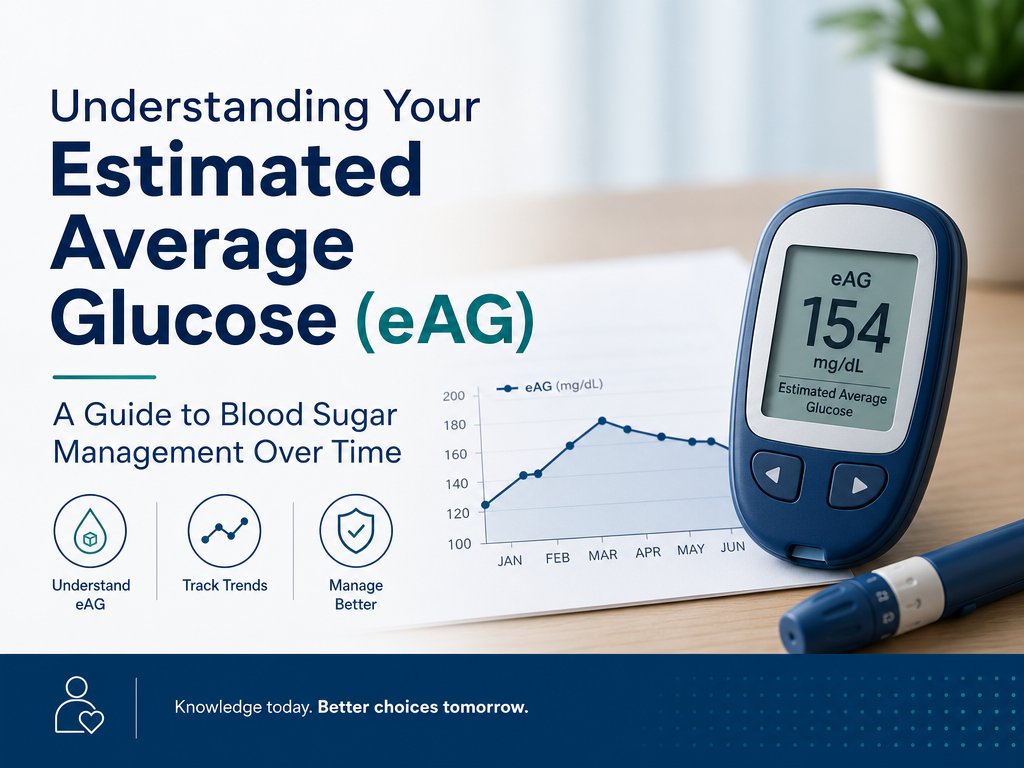
Introduction to Estimated Average Glucose (eAG)
Understanding your estimated average glucose (eAG) is vital for managing diabetes effectively. Unlike fleeting daily readings, eAG provides a comprehensive view of your blood sugar over a substantial period of 60 to 90 days, aiding both self-monitoring and doctor consultations. This long-term perspective is essential for making informed adjustments to treatment plans, thereby enhancing overall health and well-being.
What Does eAG Measure?
Estimated average glucose reflects your average blood sugar levels in mg/dL or mmol/L over the preceding months. This metric is derived from the A1C blood test, which offers insights into your long-term glucose control rather than real-time spikes and drops that can occur throughout the day. By understanding this measure, you can gain a clearer picture of your overall glucose management and better align your daily practices with your long-term health objectives.
eAG and A1C Relationship
The eAG level has a direct correlation with A1C results and is calculated with the following formula:
eAG (mg/dL) = 28.7 x A1C – 46.7. Understanding this relationship allows you to translate A1C percentages into more familiar blood sugar metrics you encounter regularly. This knowledge empowers patients to better grasp how their daily activities and habits influence their long-term glucose control, enhancing awareness and self-management capabilities.
Why Is eAG Important?
Knowing your eAG can assist in evaluating your diabetes management plan’s efficacy. It reveals whether your current treatment is effective and when it’s time to make necessary adjustments. Moreover, it aids in predicting future risks of diabetes-related complications by providing an overview of glucose exposure over a significant duration, offering insights into how to improve overall diabetic care and well-being.
Setting eAG Targets
There’s no universal eAG target; it varies based on individual factors like age, overall health conditions, and specific treatment goals. Typically, non-pregnant adults aim for an eAG below 154 mg/dL, which is equivalent to an A1C below 7%. However, personalized targets should be discussed with healthcare providers to optimize individual treatment plans and outcomes, ensuring they are tailored to specific health needs for better management.
Testing Frequency
For those with well-controlled diabetes, an A1C test is recommended twice annually. More frequent testing, up to four times per year, is advisable for individuals with recent treatment changes or challenges in maintaining control. Regular monitoring through A1C and eAG ensures that any discrepancies are identified early, facilitating timely adjustments in treatment for optimal health management and reducing the likelihood of developing complications.
eAG vs. Daily Glucose Monitoring
While daily monitoring is essential, it provides only a snapshot of a moment in time. eAG, however, accounts for glucose fluctuations, including periods when blood sugar is not actively tested. It integrates data from various times of day, offering a more stable and reliable measure of glucose trends, which is crucial for effective long-term management and understanding overall patterns.
Interpreting eAG Results
Discuss any discrepancies between your eAG and personal targets with your healthcare provider. Interpreting eAG results within the context of your overall diabetes management plan offers an opportunity to refine strategies for better glucose control. This proactive approach to diabetes care can potentially reduce complications over time and improve your health outlook, providing a framework for more effective self-management.
The Broader View
The eAG presents a consistent picture of your blood sugar management over time. In doing so, it seamlessly translates into the same units you use daily, simplifying comprehension and enhancing usability for patients. This consistency aids in making informed decisions regarding diet, exercise, and medication, ultimately supporting a healthier lifestyle.
Tailoring diabetes management with this knowledge allows for more effective control and prevention of complications. By providing an overarching view of blood sugar levels, eAG can help patients and healthcare professionals align on treatment objectives, ensuring that diabetes management is both proactive and responsive to changing needs. Such a comprehensive understanding ultimately fosters a better quality of life for individuals managing diabetes, promoting health and well-being beyond just the numbers, but also in terms of daily living and personal satisfaction.
Furthermore, utilizing eAG as a tool, combined with other diabetes management strategies, offers an integrated approach to health. Patients are equipped not only with valuable metrics but with the insights necessary for managing lifestyle factors such as diet and exercise that influence glucose levels. This holistic perspective ensures that all aspects of diabetes care are addressed, paving the way for more successful management outcomes and an optimization of daily quality of life.