Understanding Wolf Spider Bites
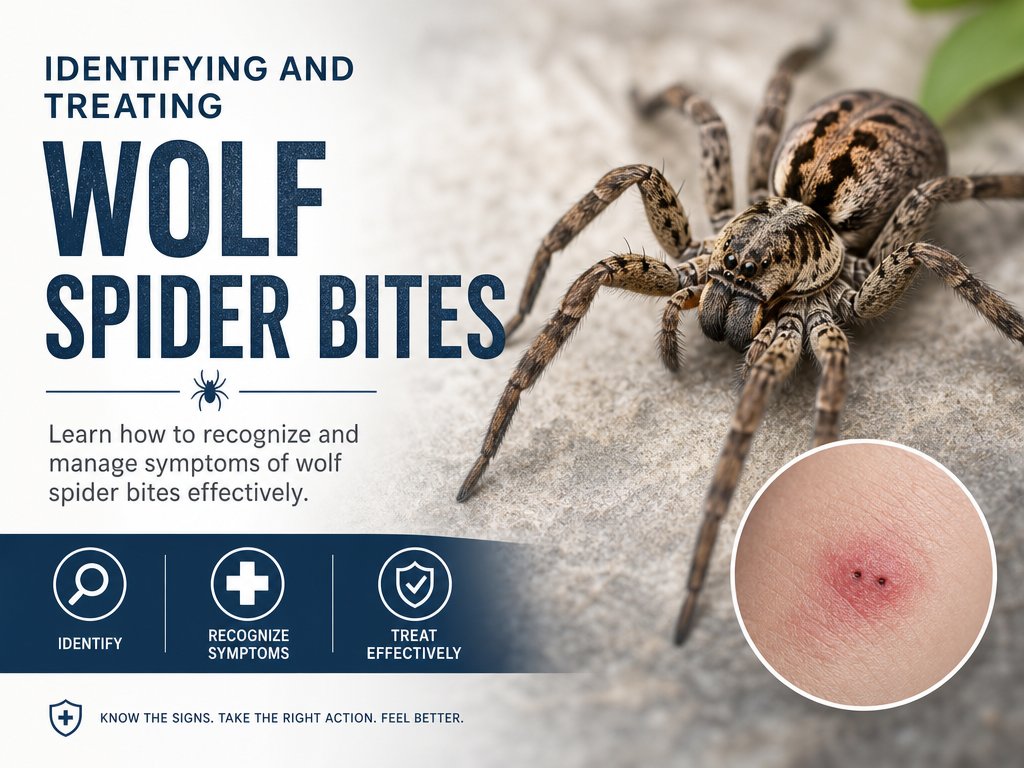
Discovering a bite mark on your skin can be disconcerting, especially when trying to identify its source. Wolf spider bites often resemble fang-like, slightly torn marks on the skin, which can result in symptoms such as redness, swelling, and ulcers. Typically non-venomous to humans, these spiders roam throughout the United States, posing minimal health risks. However, if your symptoms intensify or do not subside, consulting a doctor is advisable. It’s always wise to err on the side of caution when dealing with any kind of spider bite, even those from wolf spiders, given that individuals may react differently. Their bites can mimic those of other spiders, but serious reactions are rare.
Appearance and Characteristics of Wolf Spiders
Recognizing a wolf spider is relatively easy due to their large, hairy bodies and distinctive eye shine. They generally measure between half an inch to two inches in length and exhibit gray colorations with brown to dark gray markings. Despite often being confused with the smaller brown recluse spider, their differences lie in distinct markings, with the latter having a violin-shaped pattern on its head. This difference is important for identification purposes to avoid unnecessary worry over having encountered more dangerous spiders. Knowing these identifying features helps individuals make informed decisions about the presence of spiders in their vicinity. Additionally, wolf spiders’ eyes reflect light, making them noticeable in the dark.
Behavior and Habitat
Unlike many spiders, wolf spiders do not weave webs. Instead, they actively hunt their prey and can be found in various hiding spots such as closets, basements, and garages. They often seek shelter indoors when temperatures drop, using cooler areas to rest during fall when they are more visible and likely to be encountered. Understanding their behavior and preferred habitats can help in preventing encounters with these spiders, especially in domestic spaces where they might seek refuge. Keeping an eye on areas prone to spider activity can immensely reduce the chances of an unexpected encounter with these often misunderstood arachnids.
Preventing Wolf Spider Encounters
While bites are rare, accidental contact with wolf spiders can lead to skin irritation. To minimize risks, keeping spaces free of clutter and wearing protective clothing outdoors, particularly at night, can deter unwanted spider interactions. Ensuring that the home environment is regularly cleaned and sealed off from potential entry points for spiders can also aid in prevention. Regular pest control measures and reducing insects, which serve as food sources, can effectively make your home less attractive to wolf spiders. In this way, understanding and implementing simple measures can improve safety and peace of mind significantly. Closing gaps and openings in doors and windows can further deter spider entry.
Treating Wolf Spider Bites
Treating these bites at home involves cleaning the area with soap and water and covering it with a bandage. If discomfort or itching arises, an antihistamine like diphenhydramine (Benadryl) can be used, bearing in mind its potential drowsy side effects. Additionally, applying cold compresses can help reduce swelling and alleviate discomfort. Monitoring the bite for any signs of infection, such as increased redness or pus, is crucial in ensuring timely medical intervention if required. Properly caring for and protecting the affected area ensures that recovery is swift and uncomplicated. Consistent monitoring helps prevent further complications.
Medical Considerations
Though wolf spider bites generally heal within a few days, any escalation in symptoms should prompt medical advice. Immediate attention is warranted if symptoms indicative of a more venomous spider bite occur, such as intense pain, skin ulcers, or flu-like signs, which are common in bites from spiders like the brown recluse or black widow. It’s important to note that while wolf spiders are not aggressive and do not seek out humans, staying informed about possible signs of complications can help ensure safety. Regular communication with healthcare professionals regarding any concerns about the bite can provide guidance and alleviate anxiety surrounding unusual symptoms or adverse reactions. Familiarity with wolf spider traits reduces unwarranted panic and ensures proper response.