Introduction to Anxiety-Induced Sweating
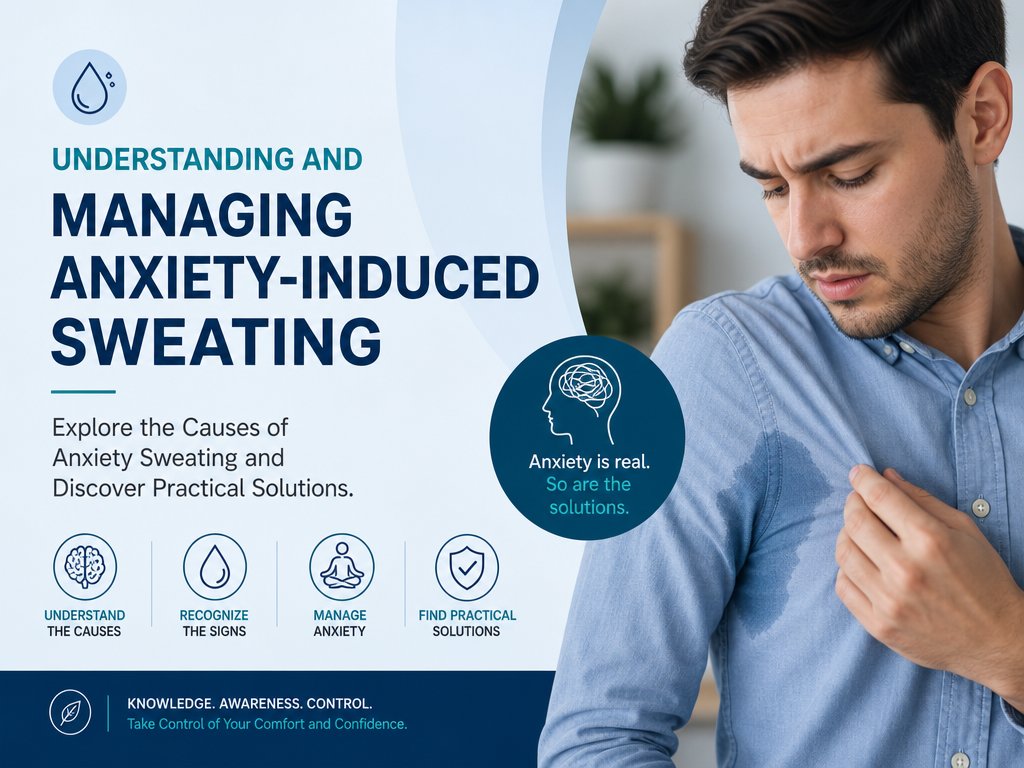
Anxiety can sometimes lead to excessive sweating, a condition medically known as hyperhidrosis. This reaction to fear or stress can complicate daily life by affecting self-confidence and causing emotional distress. Understanding this condition and its triggers is the first step toward managing its impact effectively. Recognizing the signs and symptoms helps in seeking timely intervention and management.
Why Anxiety Causes You to Sweat
Sweating typically occurs to regulate body temperature. However, during periods of anxiety, your sympathetic nervous system activates the fight-flight-freeze response, leading to increased perspiration as the body prepares to face a perceived threat or danger. This response, while natural, can be distressing when it occurs frequently without an actual physical need. It can also be frustrating when trying to maintain composure in social settings.
Common Locations for Anxiety Sweating
While sweating can occur body-wide, it is often most noticeable on the face, underarms, and palms. Constant worry about sweating excessively can amplify anxiety, creating a cycle of stress and sweat. These areas may also be more sensitive to changes caused by stress-related hormones, as these particular spots on the body generally have a higher density of sweat glands. The specific regions where sweating occurs can often be embarrassing and difficult to conceal.
The Psychological Impact of Anxiety Sweating
Excessive sweating due to anxiety can lead to social avoidance and feelings of isolation or depression. Over time, affected individuals may withdraw from social interactions to avoid embarrassment, exacerbating feelings of loneliness. This withdrawal can negatively impact personal relationships as well as professional opportunities, ultimately leading to a diminished quality of life. The emotional toll of continuously managing sweat can be significant, adding to the psychological burden.
Understanding Sweat as a Symptom of Anxiety Disorders
Disorders such as social anxiety, panic disorder, and even generalized anxiety disorder (GAD) can all contribute to increased sweating. The anticipation of sweating can enhance anxiety symptoms, making the issue self-reinforcing. Recognizing sweating as a symptom of these disorders can aid in early intervention and treatment. Early intervention helps reduce the long-term impact and develop better coping mechanisms.
Link to Social Anxiety and Hyperhidrosis
Many individuals with social anxiety worry excessively about public perception, which can trigger sweat as a stress response. Similarly, those with GAD may be constantly preoccupied with everyday worries, including the fear of sweating. This concern makes it challenging to break free from the cycle of stress and sweat. Understanding the connection with social anxiety can lead to more tailored treatment options.
Managing Anxiety-Induced Sweating
Addressing anxiety through therapy, medication, or lifestyle changes can mitigate anxiety-induced sweating. Consulting a healthcare provider about hyperhidrosis is equally important to reduce anxiety and improve quality of life. Effective management often requires a comprehensive approach that targets both the mind and body. Personalized treatment plans can be developed to suit individual needs and preferences.
Treatment Options
Various treatments, including stronger antiperspirants and stress-reduction techniques such as relaxation exercises, may offer relief. Therapy is useful for addressing underlying anxiety and improving self-management skills. In some cases, medications or minimally invasive procedures may be recommended to further address the symptoms. Treatment options should always be discussed with healthcare professionals to determine the most effective approach.
Practical Tips to Minimize Sweating
Adopting certain strategies can help you prevent sweating episodes. Regular use of antiperspirants, staying cool, and engaging in activities that reduce anxiety can alleviate symptoms. Wearing breathable clothing and maintaining good hygiene also contribute to managing sweat more effectively. Adjusting your daily routine and making small lifestyle changes can have a significant impact on reducing symptoms.
In-the-Moment Techniques
Calming exercises and shifting focus away from anxiety-inducing thoughts can also manage anxiety-induced symptoms effectively. Techniques such as deep breathing, mindfulness, and grounding exercises can provide immediate relief during heightened anxiety episodes by promoting relaxation and mental clarity. These techniques serve as invaluable tools in moments when managing sweat is immediately necessary.
Conclusion
While sweating due to anxiety is common, support from medical professionals and adopting effective strategies can alleviate its impact. Addressing both anxiety and sweating concurrently can help break the cycle and improve well-being. Continued research and awareness about this condition can also contribute to better outcomes for those affected. Sharing experiences and strategies within support groups can also be beneficial.
If symptoms of anxiety or excessive sweating impact your life, discussions with healthcare professionals can guide you towards appropriate treatment options and support. It’s crucial to seek help to address these symptoms early to prevent them from becoming overwhelming, as early intervention often leads to more successful management and recovery.