Introduction
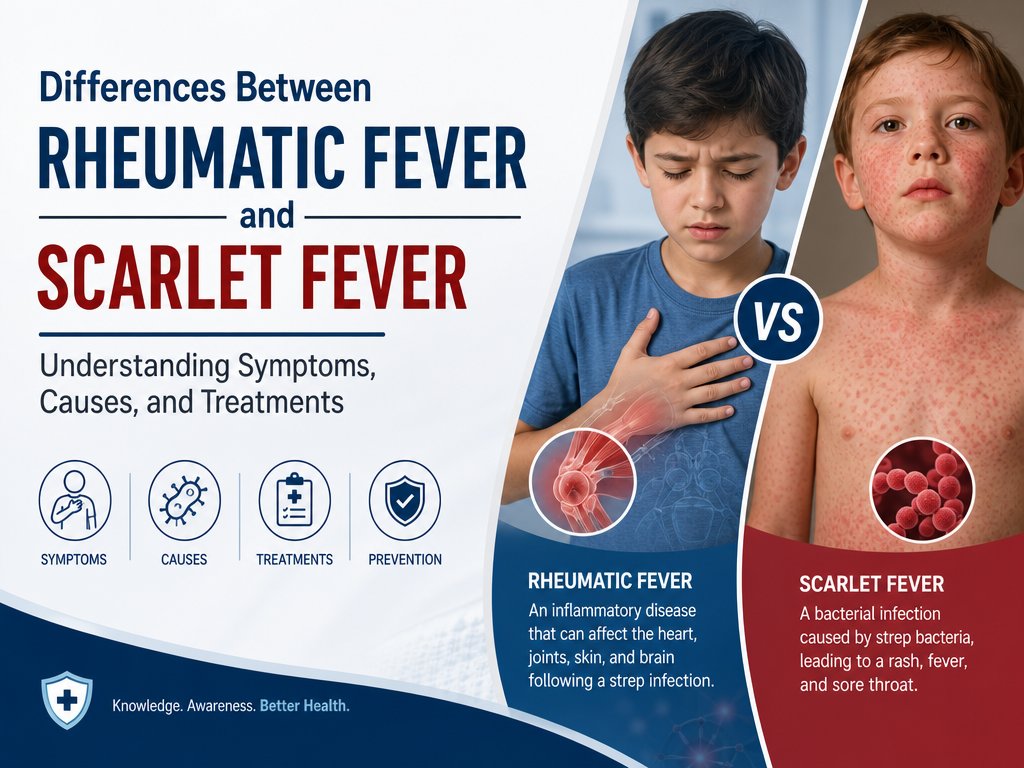
Rheumatic fever and scarlet fever, both resulting from group A Streptococcus bacteria, differ notably in symptoms and potential complications. This article discusses these differences, alongside treatment options and preventive measures.
Understanding Scarlet Fever
Scarlet fever, or scarlatina, is a bacterial infection prevalent among children aged 5 to 15. Known for its contagious nature, it can easily be transmitted from one person to another through respiratory droplets. If left untreated, this condition may progress to more severe complications such as rheumatic fever.
Symptoms of Scarlet Fever
Scarlet fever is characterized by a red rash across the body, giving the skin a sandpaper-like texture. Additional symptoms include headaches, fever, and swelling of lymph nodes and tonsils. The rash is often more pronounced in the groin and armpit areas, and a “strawberry tongue” is another distinctive feature of the condition.
Rheumatic Fever: A Serious Condition
Rheumatic fever, a serious inflammatory disease, typically emerges as a complication of untreated strep throat, strep skin infections, or scarlet fever. Affecting around 470,000 individuals annually, it primarily targets children between the ages of 5 and 15, with potential long-term impact on health and quality of life if not properly managed.
Symptoms of Rheumatic Fever
Rheumatic fever can inflame various parts of the body such as the heart, joints, skin, and brain. Symptoms may vary based on the affected areas and can include joint pain, heart abnormalities, skin rashes, and involuntary muscle movements. It is crucial to address these symptoms promptly to prevent irreversible damage to the heart.
Treatment Approaches
Antibiotics are essential in treating both rheumatic fever and scarlet fever to eliminate the infectious bacteria. Rheumatic fever typically requires additional anti-inflammatory drugs and medications to manage symptoms and prevent complications, particularly to safeguard heart health. Scarlet fever may necessitate medications aimed at symptom relief such as pain relievers and fever reducers. Adequate rest and hydration also play a role in the recovery process.
Importance of Prompt Treatment
Given that rheumatic fever can lead to serious health issues including heart valve damage, prompt medical intervention is crucial. Similarly, early treatment of scarlet fever can help in preventing its escalation and reduce transmission risk. Healthcare providers may also recommend preventive antibiotics for those at high risk of recurrent rheumatic fever.
If you or a loved one exhibit symptoms of either condition, scheduling a doctor’s appointment is vital to receiving appropriate care. Early diagnosis and treatment can prevent complications and promote a full recovery, emphasizing the importance of medical attention for these conditions.