Overview of Abecma
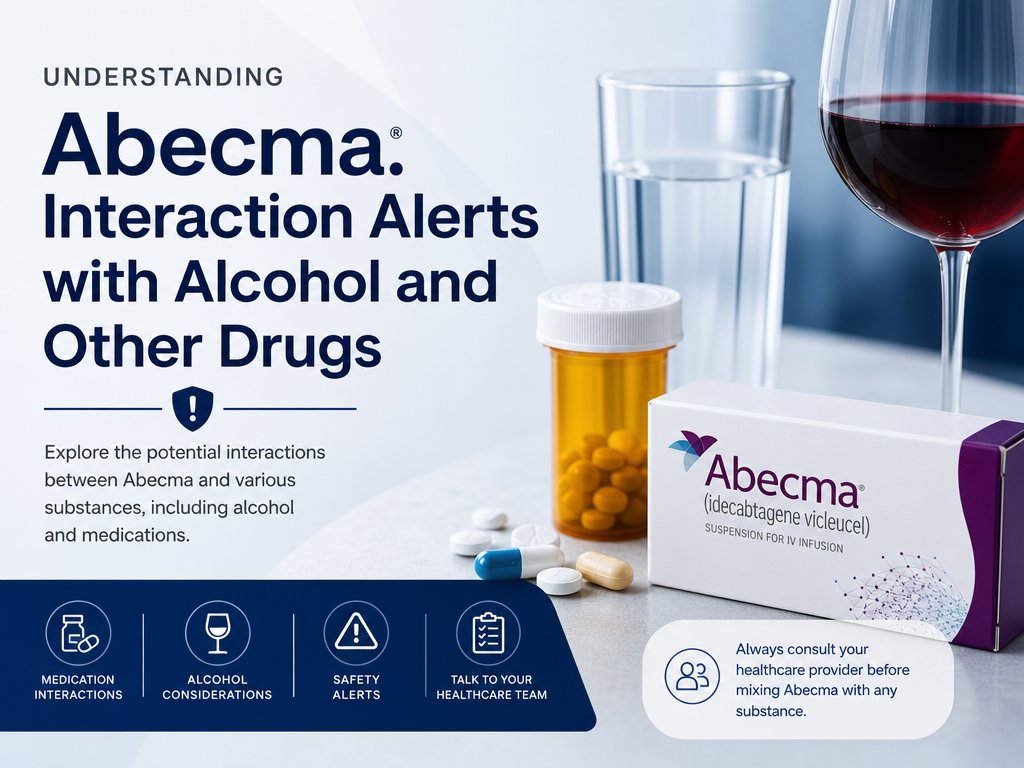
Abecma is a groundbreaking therapeutic option designed specifically for adults with particular cases of multiple myeloma, a cancer affecting plasma cells in the bone marrow. This treatment usually does not cause adverse interactions with medications and supplements, but caution is essential regarding potential interactions with vaccines and laboratory tests. This guide aims to provide you with valuable insights into these potential interactions, thereby ensuring an informed treatment journey.
Potential Interactions with Medications and Supplements
Abecma generally does not seem to interact with other drugs or supplements. However, the introduction of new medications in the future might change this scenario. Therefore, it’s crucial to provide your doctor or the pharmacist with a comprehensive list of all medications and supplements you are currently taking. Make sure to include prescription medications, over-the-counter drugs, supplements, herbal products, and vitamins. Taking this proactive approach can prevent unexpected interactions that might complicate your treatment.
Considering Herbs and Vitamins
Although no interactions between Abecma, herbs, or vitamins have been identified so far, it’s prudent to consult your healthcare provider before combining these with Abecma. This precaution helps to prevent unforeseen interactions that might potentially occur in the future. Staying informed and cautious leads to safer treatment.
Impact of Alcohol
There is no documented direct interaction between Abecma and alcohol. However, both are capable of causing similar side effects, such as dizziness, headache, and nausea. Consuming alcohol after receiving Abecma may increase the likelihood of these effects manifesting. Therefore, healthcare providers strongly advise patients to discuss alcohol use with them to receive tailored guidance that aligns with their specific health situation.
Concerns with Vaccines
It is advisable to avoid receiving live vaccines for at least 6 weeks before and after Abecma administration because these can heighten the risk of infections. Live vaccines include those for measles, mumps, rubella, rotavirus, and the nasal spray flu vaccine. Always discuss your vaccine schedules with your healthcare provider to align them with your treatment, ensuring that you minimize infection risks while maintaining necessary immunizations. Proper planning can prevent complications during the course of your cancer therapy.
Lab Test Interferences
Abecma treatment may result in false positive results in certain HIV tests. If you are undergoing HIV testing, inform your healthcare provider about your Abecma treatment to ensure that test results are interpreted accurately. By keeping your medical team informed, you help them provide precisely tailored care that reflects your true health status, avoiding potential misunderstandings in your medical records.
Additional Considerations
If you have active infections, postponing Abecma treatment might be justified. It is critical to undergo a comprehensive medical evaluation concerning previous infectious diseases such as hepatitis B, C, HIV, or cytomegalovirus before starting Abecma. Discuss any personal health concerns, including pregnancy, breastfeeding, and allergies, with your physician to confirm that Abecma is suitable for your specific case. Your healthcare provider can then make more informed decisions, ensuring your plan is as safe and effective as possible.
Safe Consumption Practices
Taking the time to engage with your healthcare provider and thoroughly understand the medication guide that comes with Abecma is essential. The provided information, alongside any accompanying labels, may contain interaction warnings designed to assist in managing your treatment safely and effectively. These guidelines play an integral role in safeguarding your health over the course of receiving Abecma.
This information offers a foundational framework for identifying and preventing possible interactions. However, always consult healthcare professionals to ensure your care is specifically tailored and suitable for your unique health needs and circumstances. Stay informed and maintain open communication with your healthcare provider to achieve the best possible outcomes with Abecma treatment. With transparency and active participation in your healthcare, you can help foster a successful cancer therapy process that maximizes its benefits while minimizing potential risks.