Introduction to Medical Alert Systems
As individuals age, the risk of falls significantly increases, with statistics revealing that one in four older adults in the United States suffers a fall annually. Falls can result in injuries that affect mobility, independence, and overall quality of life. Medical alert systems, also known as personal emergency response systems (PERS), play a crucial role in ensuring that help is available at the touch of a button, 24/7. These systems provide peace of mind, allowing older adults to live independently while having a safety net in place in case of emergencies.
Understanding LifeStation’s Offerings
LifeStation is a family-operated company that has delivered medical alert systems for 40 years. Known for their reliability, LifeStation offers a wide range of products tailored for both at-home and mobile use, catering to the diverse needs of its users. Their dedicated team works tirelessly to ensure that their products are not only effective but also easy to use. These systems are designed to be intuitive, making them accessible for older adults and ensuring that help is quickly accessible whenever needed. Furthermore, LifeStation prides itself on being responsive to emergencies, delivering services that meet the highest industry standards.
At-Home and On-the-Go Systems
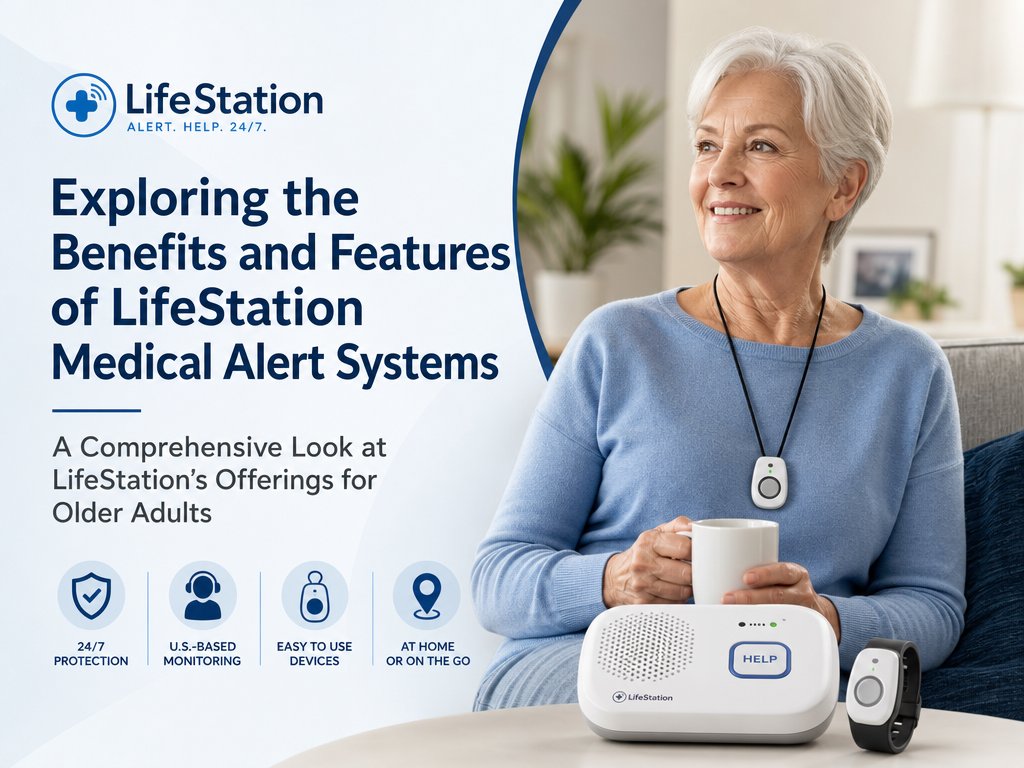
LifeStation’s at-home system is ergonomically designed, requiring no landline, and is safe for use in the shower, making it practical for everyday use. The system includes a wireless base unit with a 600-ft range and a wearable pendant, providing comfort and convenience. This ensures that users have the freedom to move around their homes confidently, knowing that help is just a button press away. For those with an active lifestyle, LifeStation offers the Sidekick pendant or watch, which includes GPS and WiFi capabilities, making it suitable for outdoor adventures and ensuring that help is never far away, regardless of location.
Fall Detection and Additional Features
LifeStation’s devices include advanced fall detection sensors capable of automatically notifying emergency services and designated family members if a fall is detected. This feature is particularly beneficial, as it helps to address situations where the user may be immobilized or unconscious and unable to call for help themselves. These features offer additional safety and security, especially for those at higher risk of falls. Additional device features include two-way communication, allowing users to speak directly with emergency response operators. The combination of GPS, WiFi, and Bluetooth technologies helps enhance accessibility and usability, ensuring that help is always reachable. These technological integrations not only increase the effectiveness of the systems but also contribute to their reliability.
Pricing and Subscription Options
LifeStation provides flexible payment plans and does not require long-term contracts, allowing users to enjoy the security of a medical alert system without the stress of binding commitments. Prices vary based on the specific system and additional features chosen, with shipping costs applicable only for the home system. The company also offers optional services, such as extra pendants and wall buttons, at a reasonable added cost. Despite the high sensitivity of the devices, there are no penalties for accidental activations or unintended alerts, making them user-friendly and forgiving of any mistakes users might make while getting accustomed to the system. Customers can choose the plan that best fits their needs, knowing that they can adjust or cancel their service without being bound to a long-term agreement. This flexibility is particularly advantageous for those whose needs might change over time.
Customer Feedback and Comparison
While LifeStation offers competitive pricing and distinguishing features like fall detection—options that some competitors like Life Alert do not offer—there are occasional criticisms about customer service and device sensitivity issues. However, these are balanced by positive feedback from numerous customers who appreciate the reassurance and peace of mind that the system provides. Many users find that the devices function well as daily living aids, offering them the confidence to maintain their independence while knowing help is available if needed. Users report that the devices are reliable and offer them the confidence to maintain their independence while knowing help is available if needed. The company’s transparent pricing structure and no-obligation contracts also draw significant praise, as they allow potential customers to try the service without feeling financially trapped.
Conclusion: Is LifeStation Right for You?
LifeStation is an excellent choice for those seeking reliable, feature-rich medical alert systems without the constraints of long-term contracts. With a range of options suitable for different lifestyles, users can enjoy enhanced safety within their homes and during daily activities. It is essential to evaluate individual needs and compare different providers to make a well-informed decision that aligns with personal requirements and preferences. Considering aspects like lifestyle, budget, and specific health needs can help discern whether LifeStation’s offerings are the right fit for ensuring safety and peace of mind. Exploring customer testimonials and reviews can further guide prospective users in understanding what to expect from the service, ultimately aiding in the decision-making process. Additionally, consulting with family members or healthcare providers can provide additional insight and support when selecting the best medical alert system for personal use.