Introduction to Imaavy
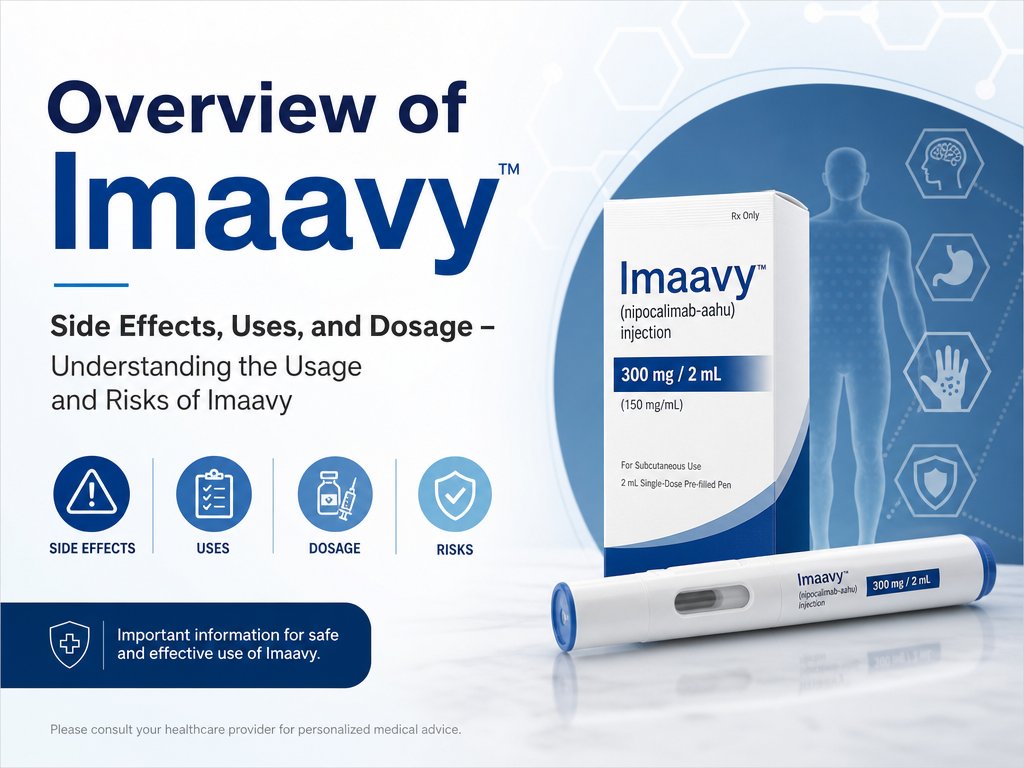
Imaavy (nipocalimab-aahu) is an intravenous (IV) prescription medicine used to treat generalized myasthenia gravis (gMG) in adults and children aged 12 years and older. It is particularly useful for patients who are positive for anti-acetylcholine receptor (AChR) or anti-muscle-specific tyrosine kinase (MuSK) antibodies.
Mechanism of Action
Myasthenia gravis is an autoimmune disorder characterized by weakened communication between nerves and muscles, leading to muscle weakness and fatigue. Imaavy works by disrupting the neonatal Fc receptor (FcRn), which ordinarily protects antibodies in the bloodstream. By blocking this receptor, Imaavy helps decrease the number of harmful antibodies, improving symptoms of gMG.
Potential Side Effects
Mild Side Effects
Imaavy may cause mild side effects, which generally resolve in a few days to weeks. If persistent or bothersome, consult with a healthcare provider.
Serious Side Effects
While serious side effects are less common, they require immediate medical attention. Symptoms such as severe allergic reactions necessitate urgent care.
Dosage and Administration
The dosage of Imaavy depends on the patient’s body weight. The initial prescribed dosage for gMG treatment is typically 30 mg per kilogram of body weight, administered via IV infusion. Subsequent doses are given biweekly.
Drug Interactions
Imaavy may interact with certain drugs, supplements, and foods. Patients should discuss all current medications and supplements with their healthcare provider to avoid potential interactions.
Considerations for Use
Before starting Imaavy treatment, individuals should consult their doctor, especially if planning a pregnancy or breastfeeding. It is important to disclose any existing health conditions to determine the suitability of Imaavy.
Conclusion
Though effective, considering alternatives with a healthcare provider is advisable if Imaavy is unsuitable due to medical history or other factors.